Old Growth: Rethinking the Legacy of the Group of Seven
Elliott Brooks
Written by Elliott Brooks in Dimensions Art & Design

Old Growth: Rethinking the Legacy of the Group of Seven

There’s a particular image that comes to mind when thinking about Canadian art: windswept pines, rugged shorelines, vast skies stretching over quiet, uninhabited land. Much of that visual identity can be traced back to the Group of Seven, whose early 20th-century paintings helped define how a nation saw itself through landscape. Their work wasn’t just about place; it was about building a cultural language rooted in terrain, atmosphere, and scale.

But like any defining narrative, it leaves things out.

Old Growth: Masterworks by the Group of Seven and their Contemporaries, on view at the McMichael Canadian Art Collection through July 5, returns to this foundational moment in Canadian art with a more expansive lens. Rather than revisiting the Group of Seven as a closed chapter, the exhibition opens it up, placing their work in dialogue with artists who were working alongside them but were often left at the margins of the story.
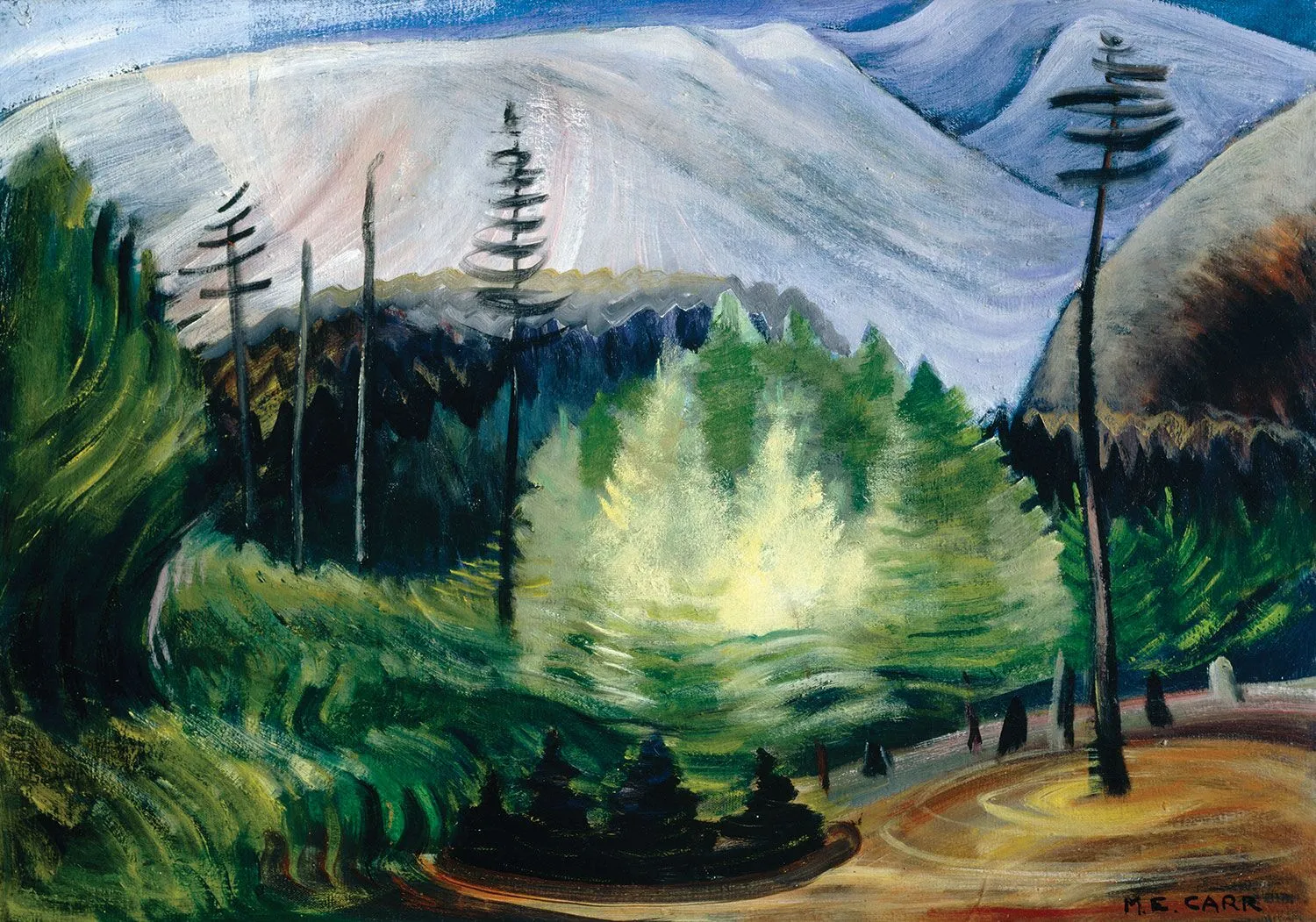
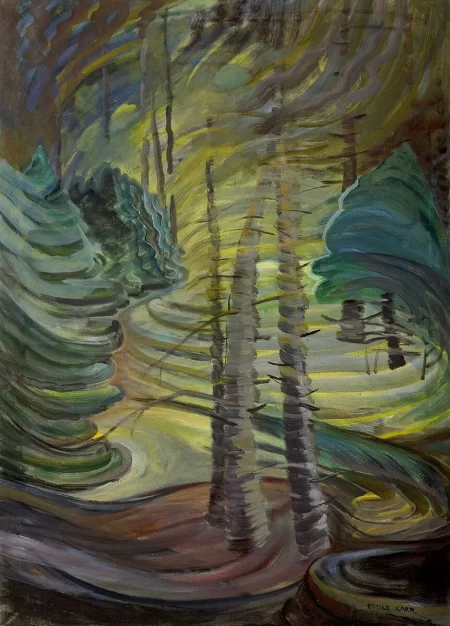
Emily Carr. Into the Light
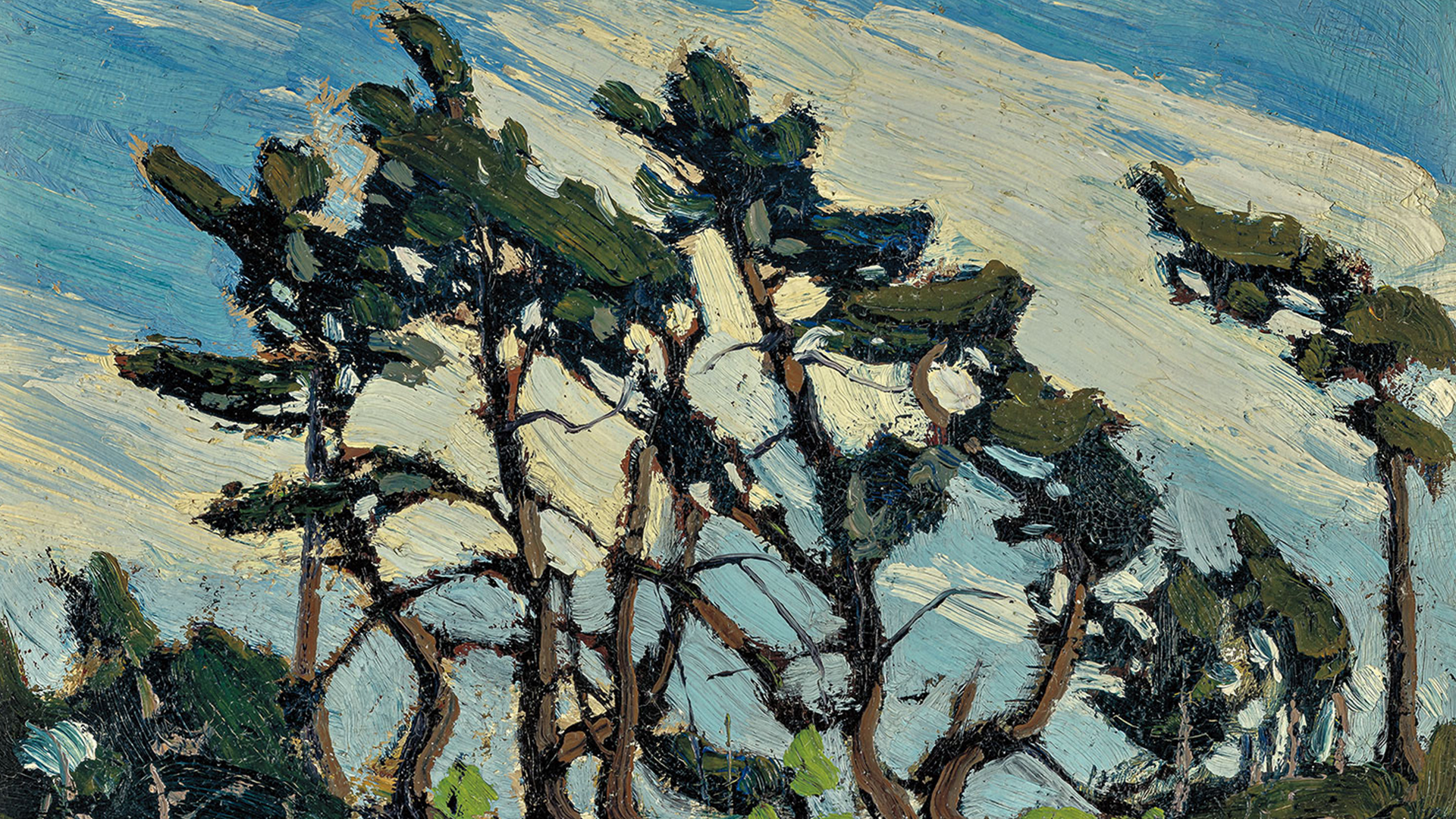
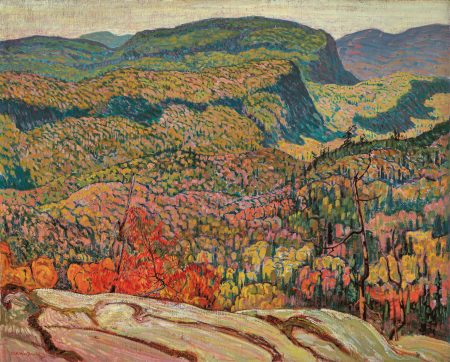
J. E. H. MacDonald. Forest Wilderness

Among those voices are painters like Anne Savage, Kathleen Daly Pepper, and Bess Harris, whose contributions offer a broader and more nuanced view of the same landscapes. Their inclusion doesn’t feel like an addition for the sake of completeness; it feels like a necessary shift in perspective. The forests, rivers, and northern terrains remain, but the way they are observed begins to change.

What emerges is less a revision than a widening. The Group of Seven’s approach to landscape often emphasized monumentality and solitude, framing nature as something vast and defining. In contrast, many of their contemporaries bring a different sensitivity to the same environment—one that feels more intimate, more attentive to detail, and at times more grounded in lived experience.

This contrast is where Old Growth finds its rhythm. The exhibition doesn’t position one approach against the other, but allows them to coexist. Paintings speak across the gallery, revealing both shared fascinations and subtle divergences in how artists engaged with the land. The result is a richer understanding of what Canadian landscape painting was, and what it could have been had more voices been given equal visibility from the start.

There’s also something fitting about the exhibition’s title. “Old growth” refers to forests that have developed over long periods, shaped by time, resilience, and layered histories. It’s a useful metaphor for the story being told here. The canon of Canadian art, like a forest, is not a single, uniform structure. It is made up of overlapping narratives, some of which have been more visible than others.

Walking through the exhibition, you begin to sense how these histories intersect. The familiar visual language of the Group of Seven is still present—bold compositions, dynamic skies, and expressive brushwork—but it no longer stands alone. Instead, it becomes part of a larger conversation, one that acknowledges both influence and omission.

Emily Carr. Dancing Sunlight
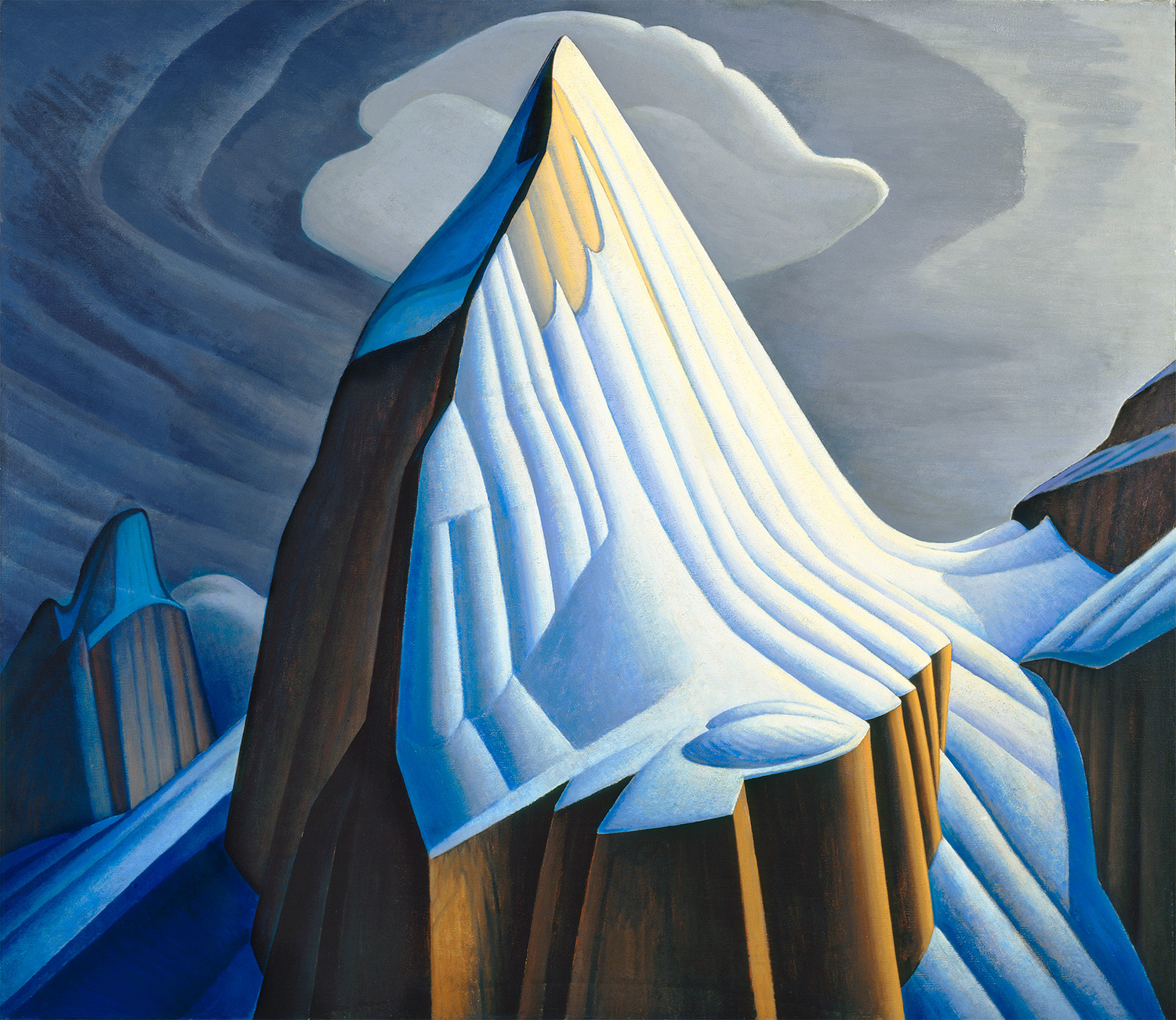
Lauren S. Harris. Mt. Lefroy

That shift doesn’t diminish the legacy of the Group of Seven. If anything, it strengthens it by placing it within a more complex and inclusive framework. It allows us to see their work not as a definitive statement, but as one voice within a broader chorus of artists responding to the same landscape in different ways.

Old Growth ultimately feels less like a retrospective and more like a recalibration. It invites viewers to look again at images that may feel familiar and to consider what might have been overlooked in the process of building a national narrative.

For those interested in exploring this expanded perspective, the exhibition is on view at the McMichael Canadian Art Collection through July 5. Further details can be found on the gallery’s official exhibition page, where the full scope of Old Growth and its artists continues to unfold.

Scroll