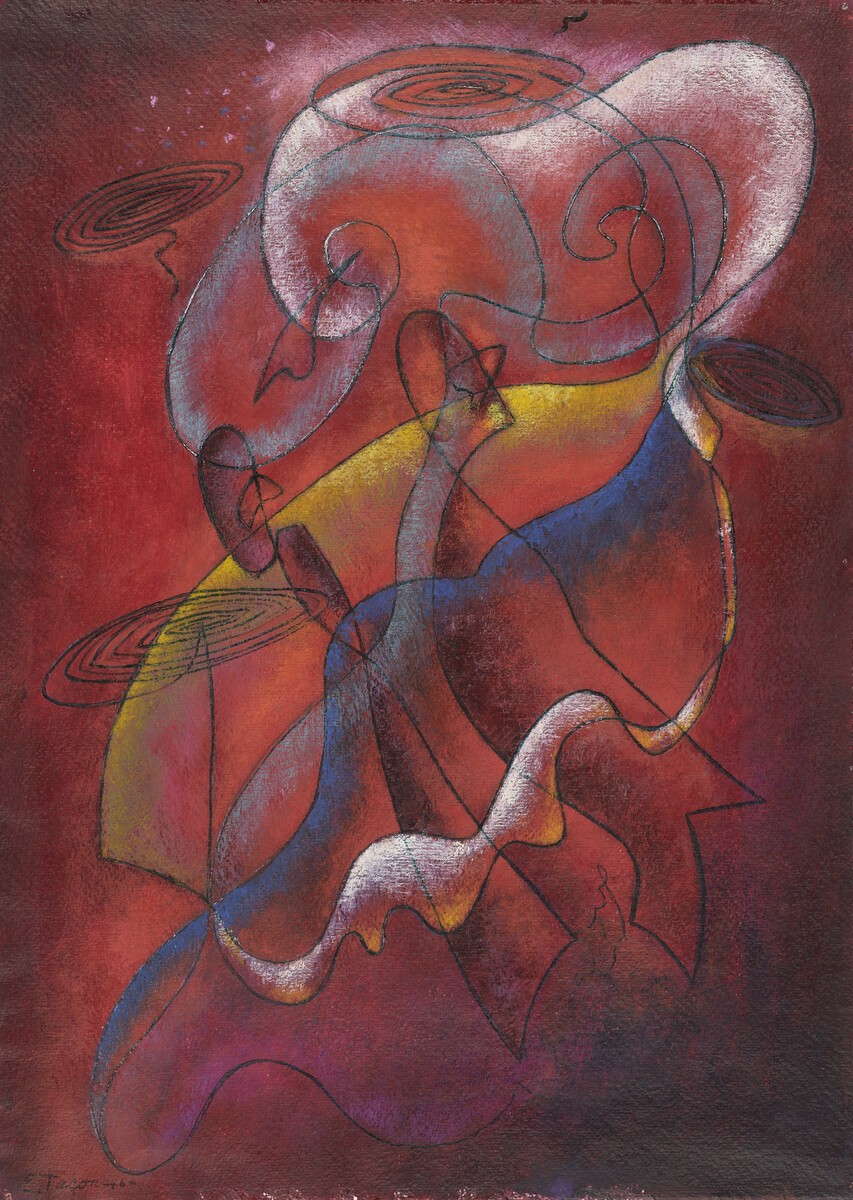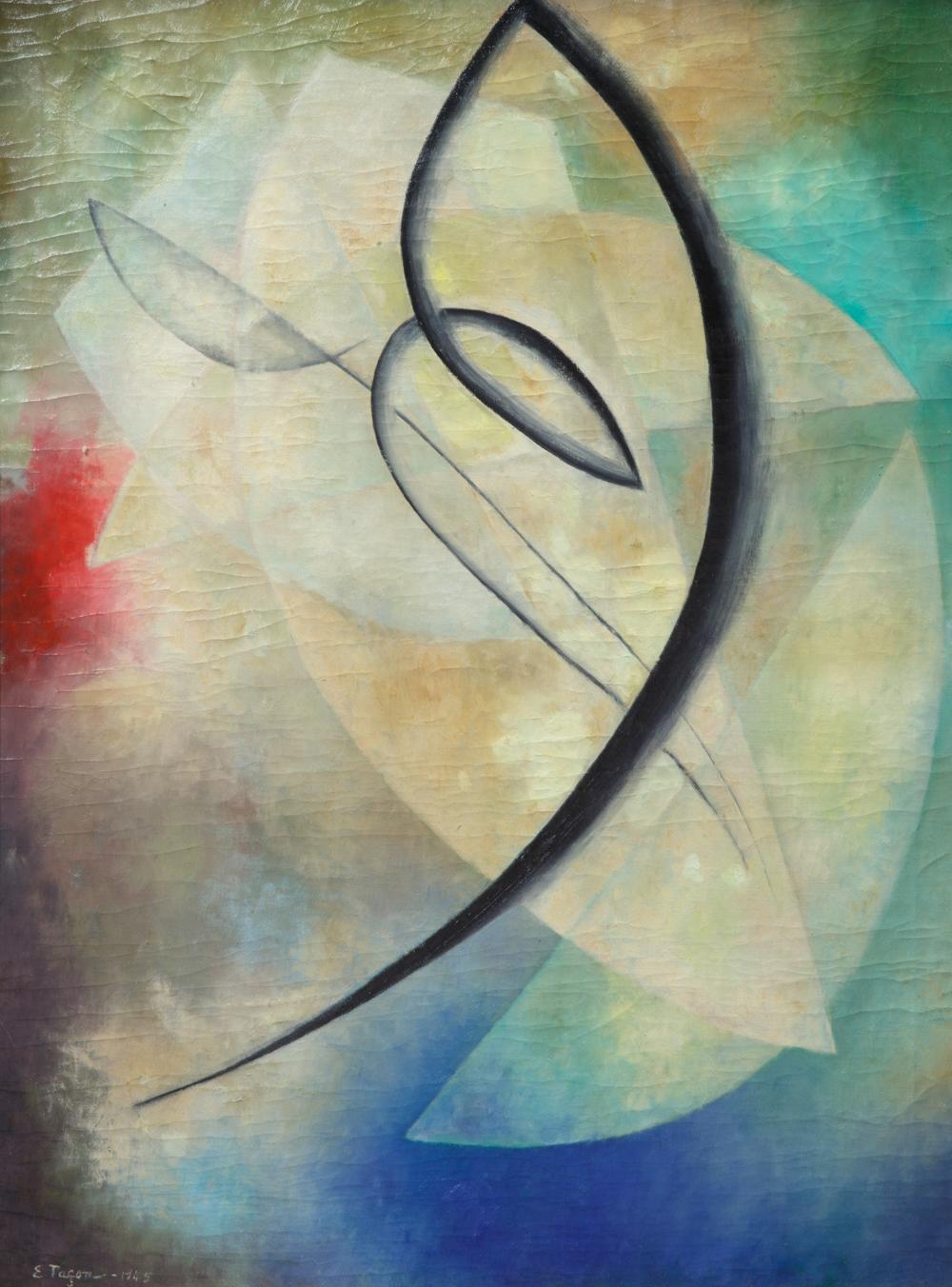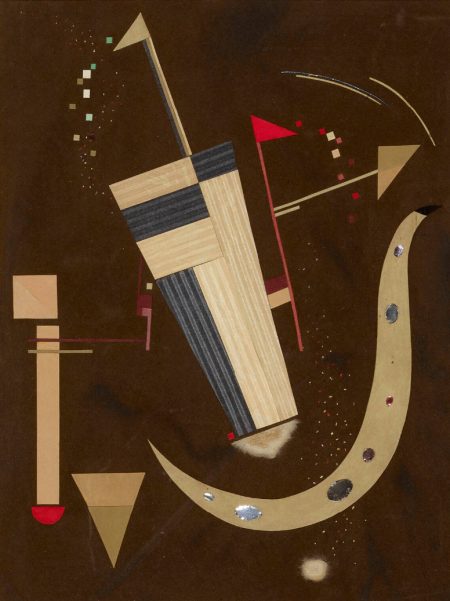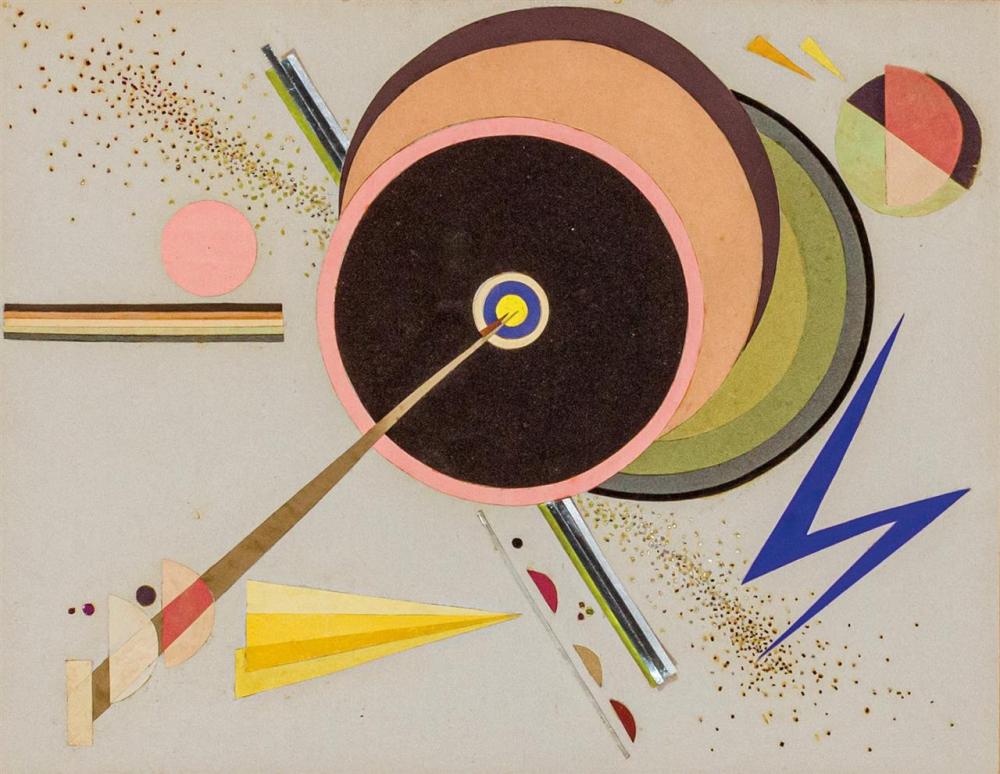

There are moments in art history when the edges of tradition begin to blur, allowing something fresh — unexpected — to take shape. Edna Taçon was one of those moments. In a time when modernism was still a young idea, she forged a visual language that was confident, poetic, and quietly radical. Her work was a negotiation between the rigor of form and the liberty of color — disciplined yet full of life — and that balance is precisely what Edna Taçon: Verve and Decorum at the Art Gallery of Ontario brings into focus.
Taçon came of age at a fascinating intersection of artistic currents. Born in 1905, she lived through the rise of abstraction, the advent of modernist dialogue in North America, and the shifting tides of postwar cultural identity. She studied with Marianne von Werefkin and Alexej von Jawlensky in Europe, absorbing lessons from the Blue Rider circle, and later shared discourse with North American contemporaries who were reshaping ideas of composition, color, and expression. But what makes Taçon’s work so striking — and increasingly relevant today — is that she didn’t merely drink from those sources; she refracted them through her own perceptual lens.
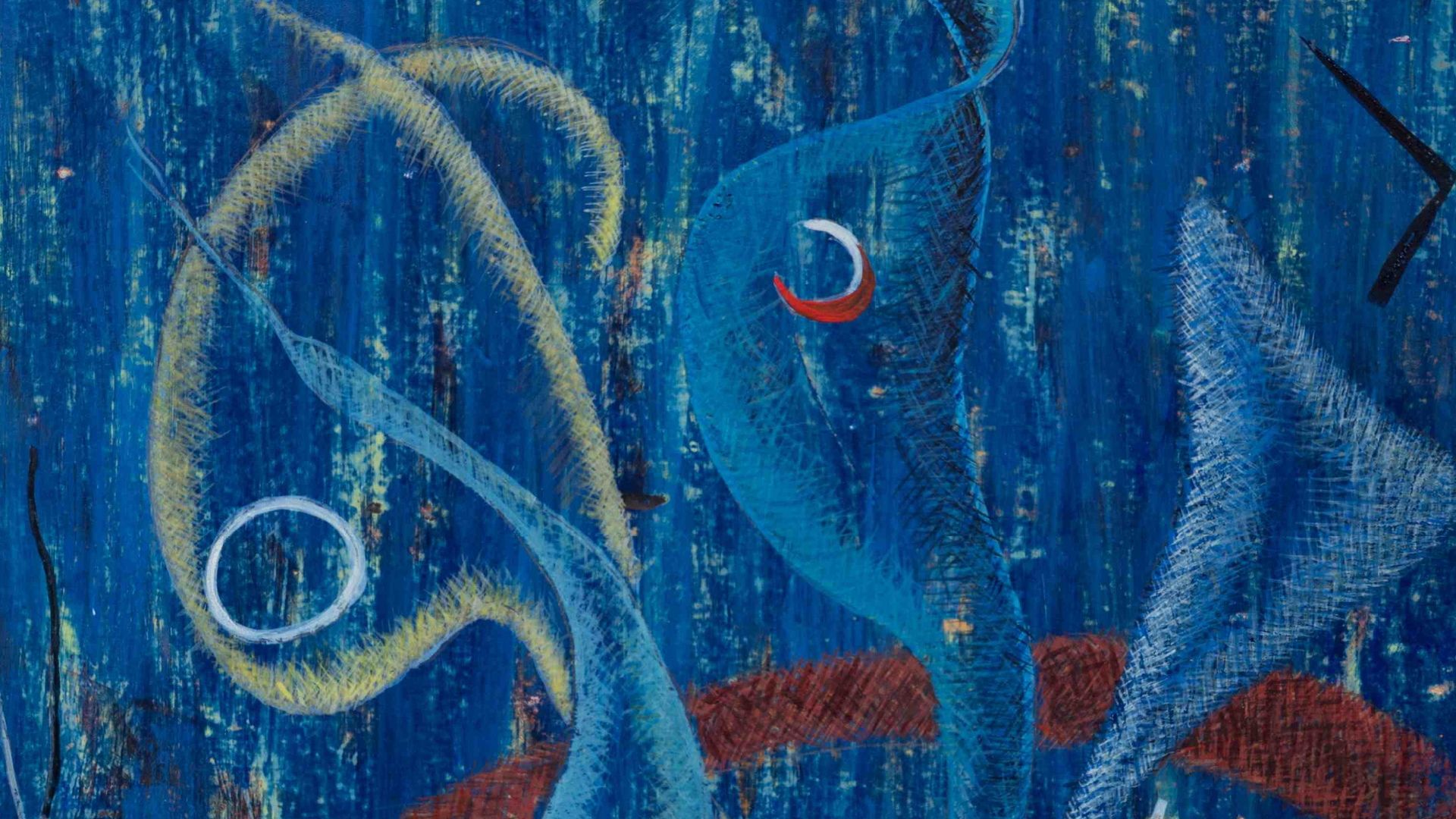
Walking through the works in Verve and Decorum, you feel how Taçon held two seemingly disparate impulses in harmony. “Verve” suggests the jubilant spark — the energy that surges when color and line sing together. “Decorum” speaks to restraint, to the compositional grace that keeps that spark from overwhelming the senses. Her paintings seem to live in that tension: poised, resonant, and rhythmically composed. Some canvases pulse with vibrant hues that brush against abstraction, while others move in quieter tones, meditative and reflective. Together, they chart a journey through an artistic mind attuned to nuance as much as momentum.