
Deceptively simple in form yet emotionally precise, Retirement Plan unfolds as a meditation on time, deferred dreams, and the small bargains we make with ourselves about when life will truly begin. The Oscar-qualified animated short by Irish filmmaker John Kelly leans on humor and restraint to explore the comfort of postponement, capturing a familiar inner monologue that feels both deeply personal and broadly relatable.
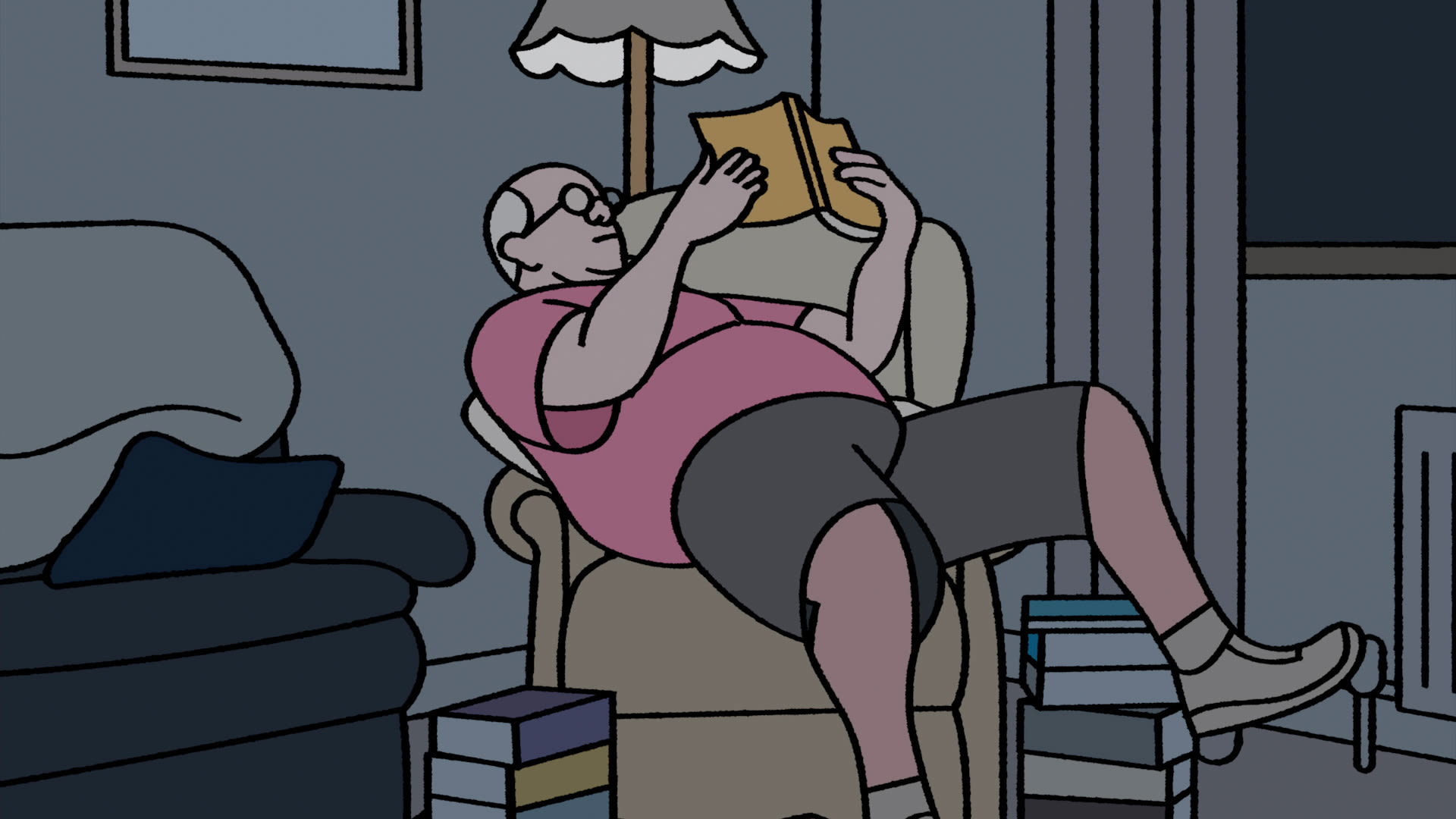
At its core, the film operates through a deceptively straightforward structure — almost a list in motion. Ray, voiced with gentle warmth and nuance by Domhnall Gleeson, walks us through all the things he hopes to finally do once he retires: finishing books, mastering a piano piece, taking long hikes, swimming every morning, diving into poetry. These imagined pursuits are funny and earnest, threaded with hope and a quiet self-awareness. They resonate because they mirror a mindset many of us know well — the belief that somewhere ahead, time will eventually belong to us.
What gives Retirement Plan its emotional weight isn’t just the relatability of Ray’s monologue, but the way it balances humour with something more unsettling: the awareness of time’s limits. Kelly has spoken about the film’s origins in an unexpected moment — a mild panic attack during a flight, triggered by the mounting pressure of unread emails and unfinished ambitions. That collision between anxiety and reflection shapes the film’s tone, where lightness and unease exist side by side.
The visual language reinforces this balance. The animation is deliberately restrained, favouring clarity over spectacle. Kelly and his collaborators embraced a minimalist aesthetic that allows the narration to lead, leaving space for pauses, gestures, and subtle shifts in expression. Each visual choice supports the film’s central tension: the pull between dreaming and doing, between imagined futures and lived presents.
The film has been widely praised for how effectively it turns a simple premise into something emotionally expansive. As Ray’s list grows, it slowly reveals the contours of an inner life shaped by hope, habit, and hesitation. The short invites laughter, but it also leaves room for reflection, capturing the strange mix of anticipation and frustration that accompanies thoughts of eventual freedom. Its recognition as an Oscar-qualified short underscores how strongly this quiet, introspective approach has resonated with audiences and industry alike.
In under eight minutes, Retirement Plan does more than catalogue future intentions — it transforms that list into a mirror. By inviting us into Ray’s imagined tomorrow, the film gently asks why that moment always seems to sit just out of reach. Within that tension lies its quiet power: a reminder that life is unfolding now, even as we continue planning for later.