
Unholy opens like a familiar family story — a Passover Seder, a table crowded with traditions, laughter, and food. But within moments, it becomes something much subtler and more personal: a portrait of a young woman trying to reclaim agency in both her body and her life. The short film, written and directed by Daisy Friedman, navigates the emotional terrain of family, illness, and identity with a blend of humor and poignancy that feels rare in work about embodied experience.
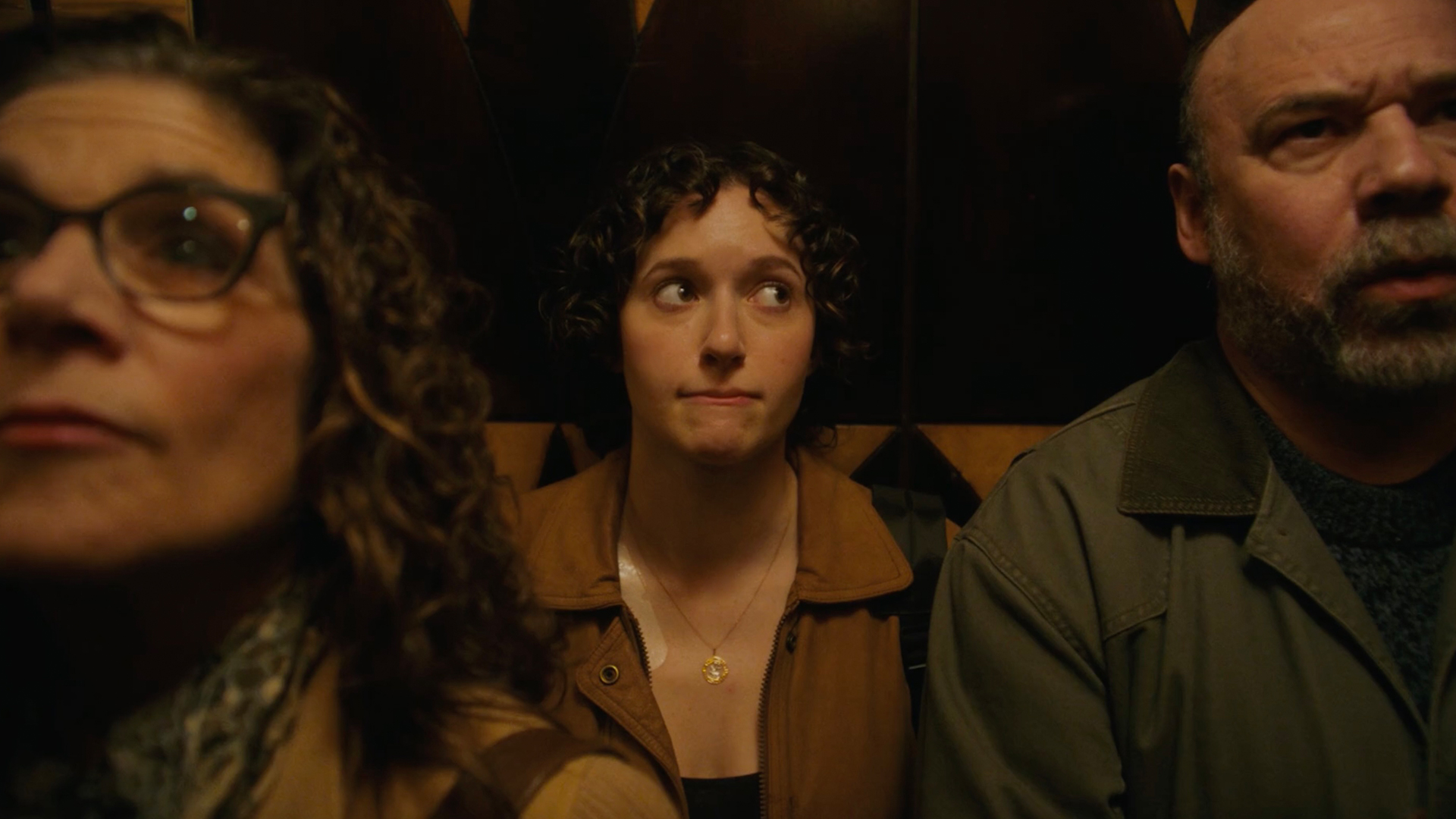
The story follows Noa, a young adult living with a complex gastrointestinal disorder that requires her to use a feeding tube, as she returns to her family’s Seder for the first time since this change in her life. From the start, the celebration — the elevator ride with her parents, the chatter about dishes and guests — highlights how tradition and expectation can collide with the realities of illness. Pushy questions, well-meaning but insensitive comments, and the sheer presence of food Noa can’t eat create a kind of social pressure that’s funny in setup and deeply human in its discomfort.
What makes Unholy particularly compelling isn’t just its setup, but the emotional honesty fueling it. Friedman’s own lived experience as a multi-organ transplant recipient inspired much of the film, and she’s spoken about using cinema as a way to process and communicate the awkwardness and alienation that often accompanies chronic illness and visible difference. This personal grounding gives the narrative a real ear for dialogue and nuance — the way family members fumble for kindness, the layered awkwardness of ritual, and Noa’s internal negotiation between belonging and self-protection.
The film also engages with tradition in a thoughtful way. Rather than presenting ritual as something static, it asks what it means to participate in cultural practices when the body that once moved through them effortlessly suddenly can’t — and how love shows up in imperfect, unpolished moments around a dinner table. For Noa, what initially feels like exclusion gradually shifts toward connection as she and her family adapt and discover new ways of being present together.
By the time the Seder concludes, the awkwardness that once marked Noa’s experience gives way to emotional clarity. Unholy doesn’t offer easy resolutions, but it does show how humor — and a willingness to sit in discomfort — can become a bridge toward genuine understanding. In just over a dozen minutes, the film turns a family gathering into something universal: a story about inclusion, love, and finding your place at a table that once felt inaccessible.