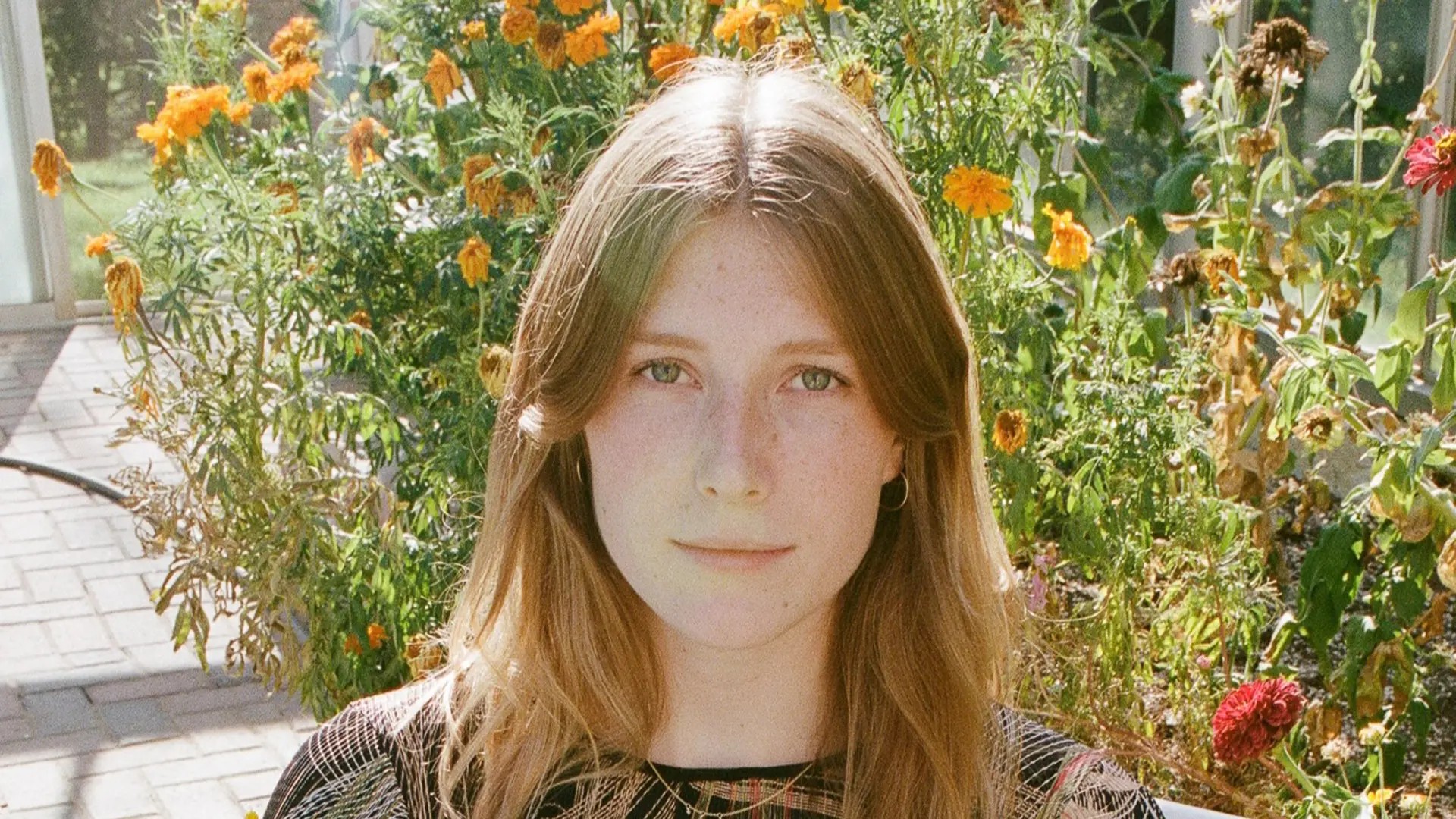
The album opens with “Can We Be Still,” and that question hovers like a mantra throughout the record. Stillness here isn’t about doing nothing. It’s about making space for observation and tenderness, about letting melodies and relationships unfold without rushing them. Harmer’s voice — clear, warm, unornamented — moves through these songs with a sense of ease that belies their emotional depth; she sings with the unguarded intimacy of someone you feel you’ve known for years.
Standout tracks like “Little Light,” “Take It On,” and “Slow Down” explore the push and pull of connection — between lovers, friends, family, and the self. “Farmhouse,” written as an apology to a friend lost in time and distance, wraps shared memory into melody with a soft sincerity that sits close to the bone. Other moments, like “Hazel vs The Coyote,” find beauty in ordinary sorrow, sketching small narratives that feel larger than their parts. By the time “Time to Move On” leads you forward and “Memory Lullaby” offers a final reflection, the album feels like a gentle exhale.
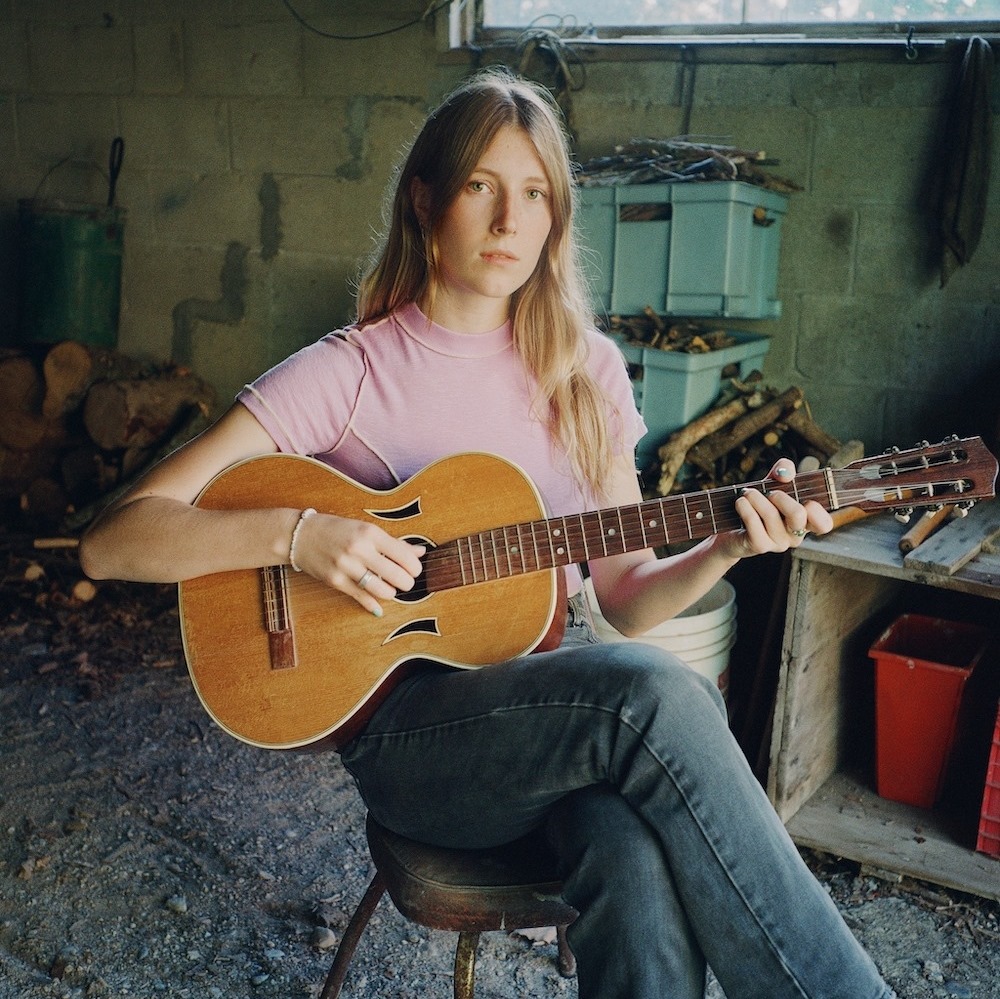
What makes Eye of the Storm so affecting isn’t just the emotional honesty — it’s how it was made. Harmer recorded the album live off the floor in living rooms and backyard garages, surrounding herself with trusted collaborators who helped shape its organic character. You can hear the air between instruments, the quiet echoes of spaces where the music was born, even the tiny creaks and imperfections that underline its humanity.
In a musical moment that prizes immediacy and spectacle, Georgia Harmer’s Eye of the Storm feels like a reminder of what happens when you slow down and attend to the small things — the creak of a chair, the warmth of an honest voice, the calm that comes after life’s little storms.