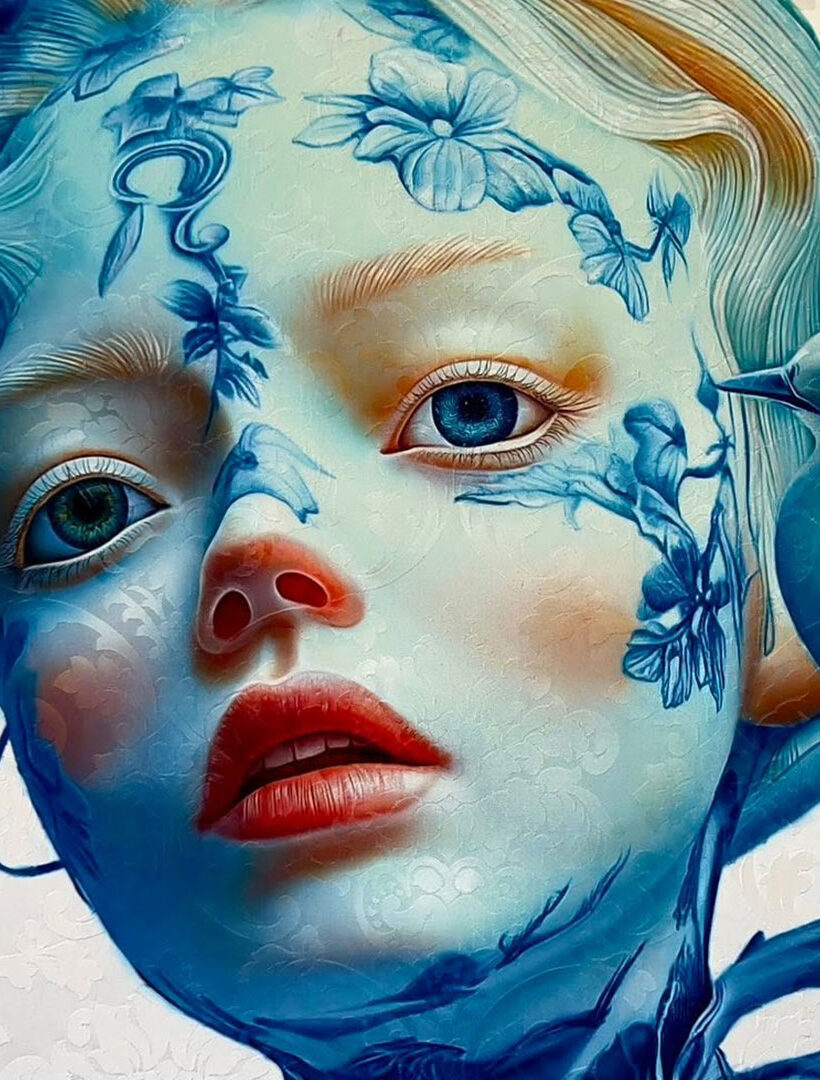
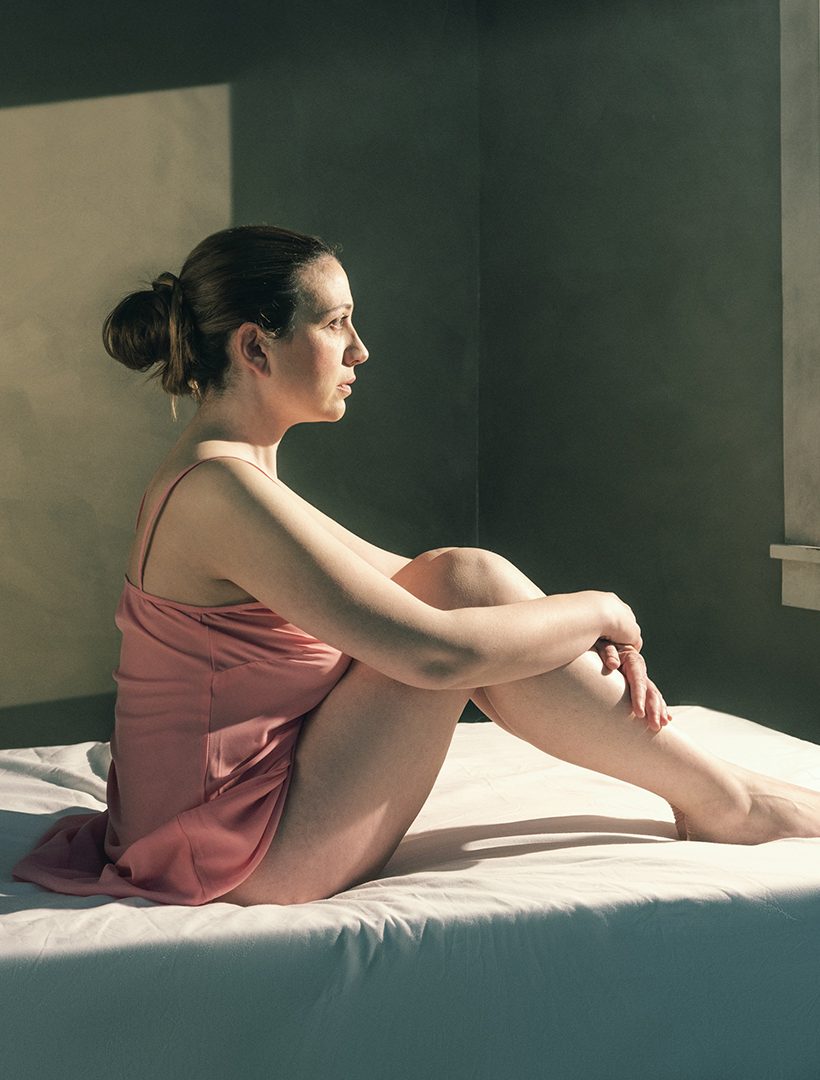
Sara Benabdallah’s photographs feel like conversations held in low light — intimate, deliberate, and deeply rooted in place. Her images do not rush to explain Morocco; instead, they sit with it, listening closely to its textures, rituals, and contradictions. Through carefully staged scenes and a cinematic sensitivity, Benabdallah creates visual narratives that explore womanhood, heritage, and the quiet tension between tradition and transformation.


Written by
Zoë Marin
in
Beyond the Frame
Art & Design
Creative
Photography
Where Memory Breathes: The Intimate Worlds of Sara Benabdallah
Born in 1995 in the Medina of Marrakech, Benabdallah grew up surrounded by craftsmanship and restoration. Her family worked with traditional riads, an experience that left a lasting imprint on her relationship with architecture, material, and cultural memory. That early immersion is still visible in her work today: patterned walls, woven fabrics, tiled floors, and domestic spaces appear not as backdrops, but as active participants in her storytelling.
Although she began her creative path in filmmaking, studying abroad before returning to Morocco, photography became her most precise language. There is a cinematic rhythm to her compositions — not in spectacle, but in pacing. Each image feels like a still pulled from a larger, unspoken narrative. The figures within her frames often appear suspended in moments of reflection, caught between inner life and external expectation.
Central to Benabdallah’s practice is the exploration of Moroccan womanhood. Her portraits resist the flattening gaze often imposed on women from the region. Instead of exoticism or distance, she offers proximity. Her subjects are portrayed with softness and agency, inhabiting their environments with a quiet authority. Gestures are subtle, expressions restrained, yet the emotional charge is unmistakable. These women are not symbols; they are individuals shaped by layered histories.
Colour plays a crucial role in her visual language. Rich reds, deep blues, earthy ochres — her palette feels drawn from the landscape itself. Yet even at its most vibrant, her use of colour remains grounded, never ornamental for its own sake. It becomes another narrative device, guiding mood and memory, echoing the warmth, weight, and intimacy of lived experience.


Benabdallah’s work also carries a strong sense of intergenerational dialogue. The presence of mothers, daughters, domestic rituals, and inherited roles speaks to continuity — but also to questioning. Her images acknowledge the beauty of tradition while gently probing its constraints. This balance gives her work its emotional complexity: reverent without being romantic, critical without being confrontational.
There is a tenderness in how she approaches her subjects, one that suggests trust rather than observation. The camera does not intrude; it listens. In doing so, Benabdallah creates space for stories that are often overlooked or simplified. Her photographs become sites of recognition — for those who see their own histories reflected, and for those invited to look more carefully.
As her work gains international visibility, what remains consistent is her commitment to authenticity. She does not dilute her voice to meet external expectations. Instead, she deepens it — returning again and again to the personal as a gateway to the universal. Through her lens, Morocco is not a fixed image, but a living, breathing presence shaped by memory, resilience, and quiet strength.
As Sara Benabdallah’s work continues to appear across galleries and international platforms, her photographs quietly reshape how identity, memory, and femininity are framed. Rooted in place yet unmistakably contemporary, her images balance symbolism and intimacy with remarkable restraint. It’s a visual language that doesn’t seek attention—but earns it, one carefully composed frame at a time.

You may also like