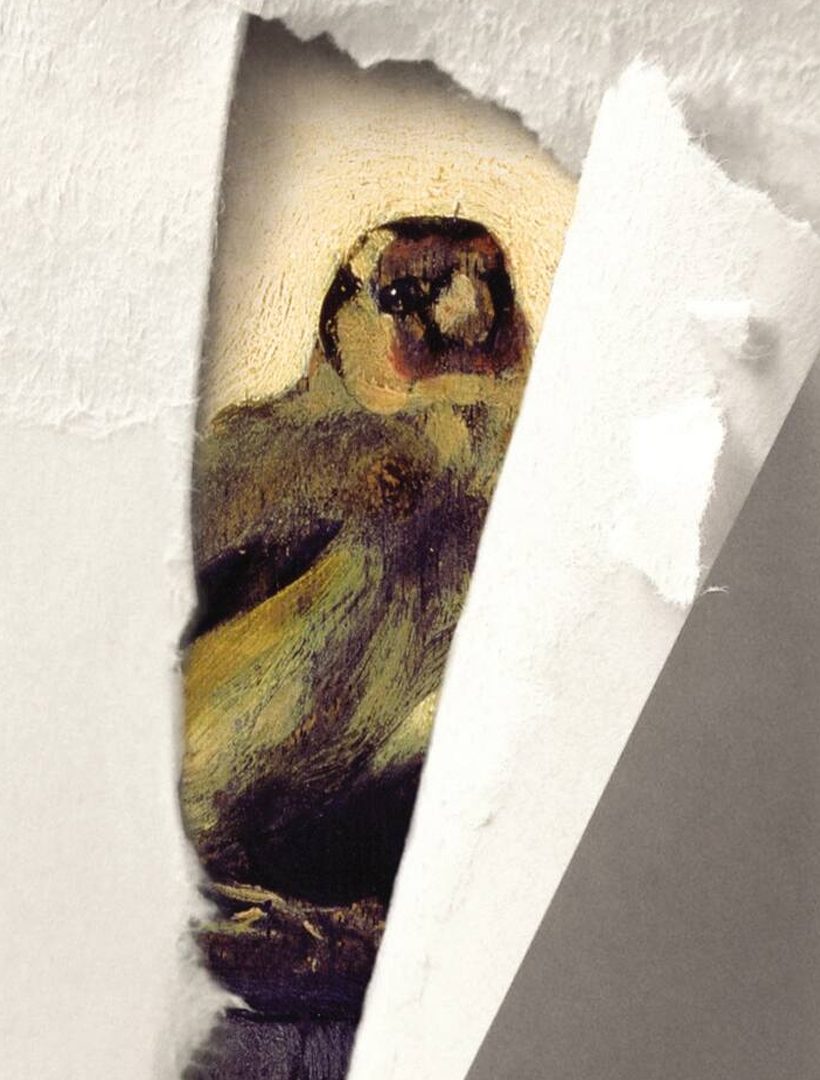
Art doesn’t just hang on walls. Sometimes it travels, taking fragments of people’s lives with it, carrying whispers of love, loss, guilt, hope, and memory. Girl in Hyacinth Blue by Susan Vreeland is precisely that kind of novel — a quiet reverie on art’s elusive power, told through the ripple effects of one imagined Vermeer painting as it moves backward through centuries and human experience.
The narrative opens in the present day with a math teacher who finally reveals a long-hidden painting to a colleague. That painting — a portrait of a young girl in striking hyacinth blue — is whispered to be an undiscovered Vermeer. What follows is not a traditional plot but a series of vignettes, each a snapshot of a person who once possessed the painting and how it shaped their life. The structure moves in reverse chronological order, weaving a tapestry of moments that trace the painting’s journey from the modern era back to the seventeenth century, when it was first brought to life by Vermeer’s brush.
Each chapter functions almost like a short story, but together they feel interwoven — like light refracting through facets of the same gem. We meet ordinary people whose circumstances range from moral dilemmas tied to the horrors of World War II to intimate domestic pressures in earlier Dutch life and finally to the moment of creation itself, where Vermeer attends to his model with profound stillness. Throughout, this painting — a fictional artifact anchored in the real world of art history — becomes a touchstone, a mirror that refracts what its owners see in themselves and their own desires.