Rooms That Remember: The Quiet Theater of Andrés Gallego
Zoë Marin
Written by Zoë Marin in Beyond the Frame Creative Photography

Rooms That Remember: The Quiet Theater of Andrés Gallego

Andrés Gallego constructs photographs the way others might build memories — slowly, deliberately, and with deep attention to light. His images don’t rush to explain themselves. They wait. Each frame feels like a suspended moment, hovering between what has just happened and what might unfold next, inviting the viewer into a carefully staged pause.

Born in 1983 in Melilla, Spain, Gallego arrived at photography later than most, beginning his journey in 2017. That late entrance feels significant. His work carries none of the impatience often associated with contemporary image-making. Instead, it reflects a thoughtful devotion to process — to building, refining, and shaping a visual language that borrows as much from painting and theater as from photography itself.
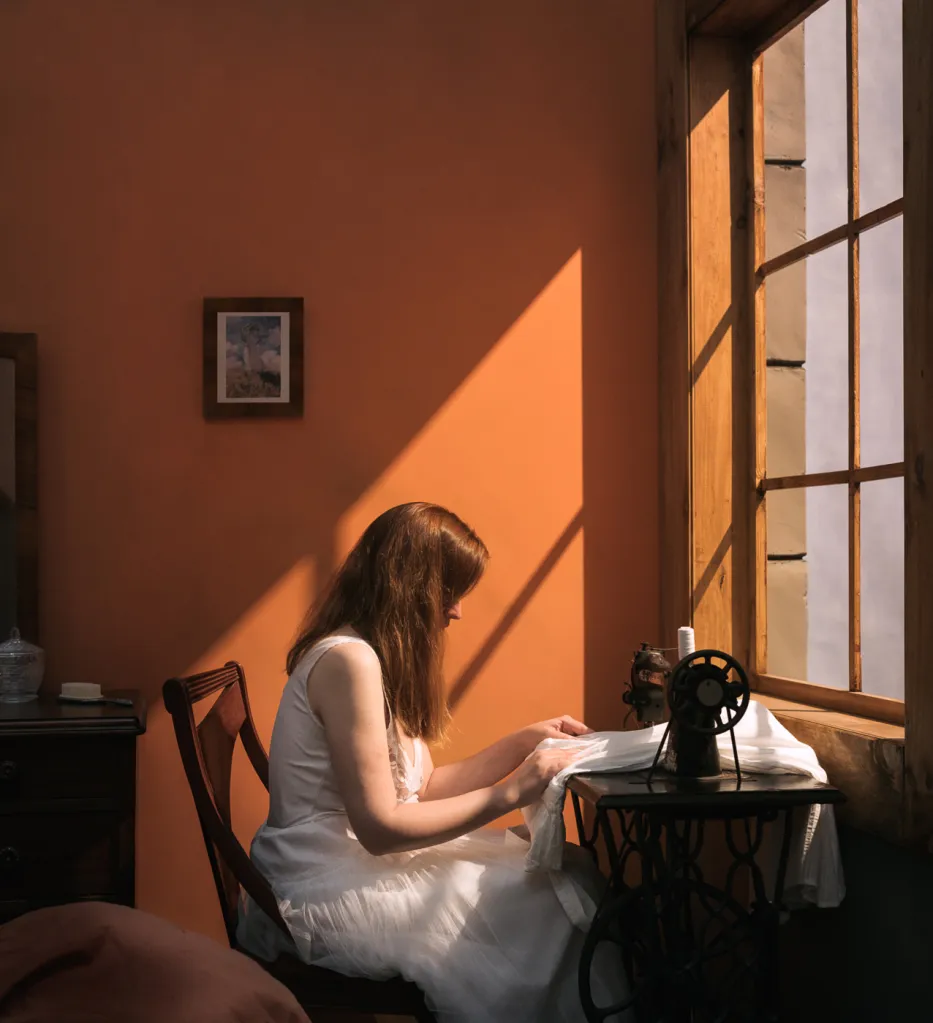
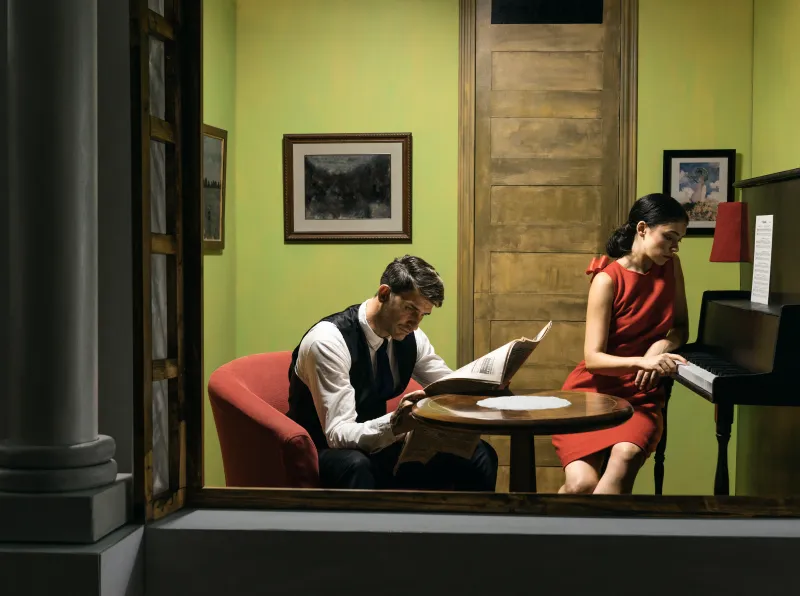
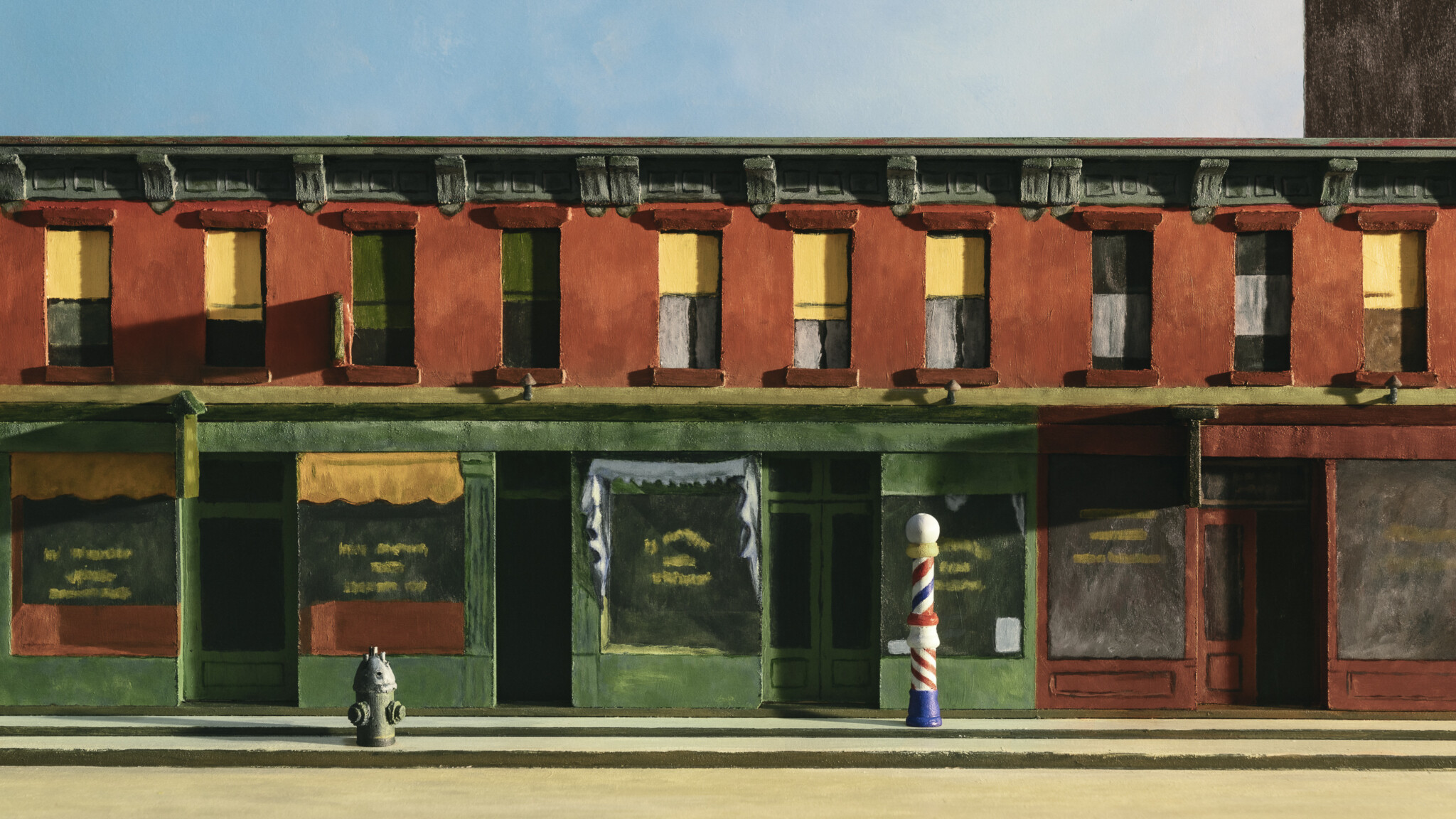
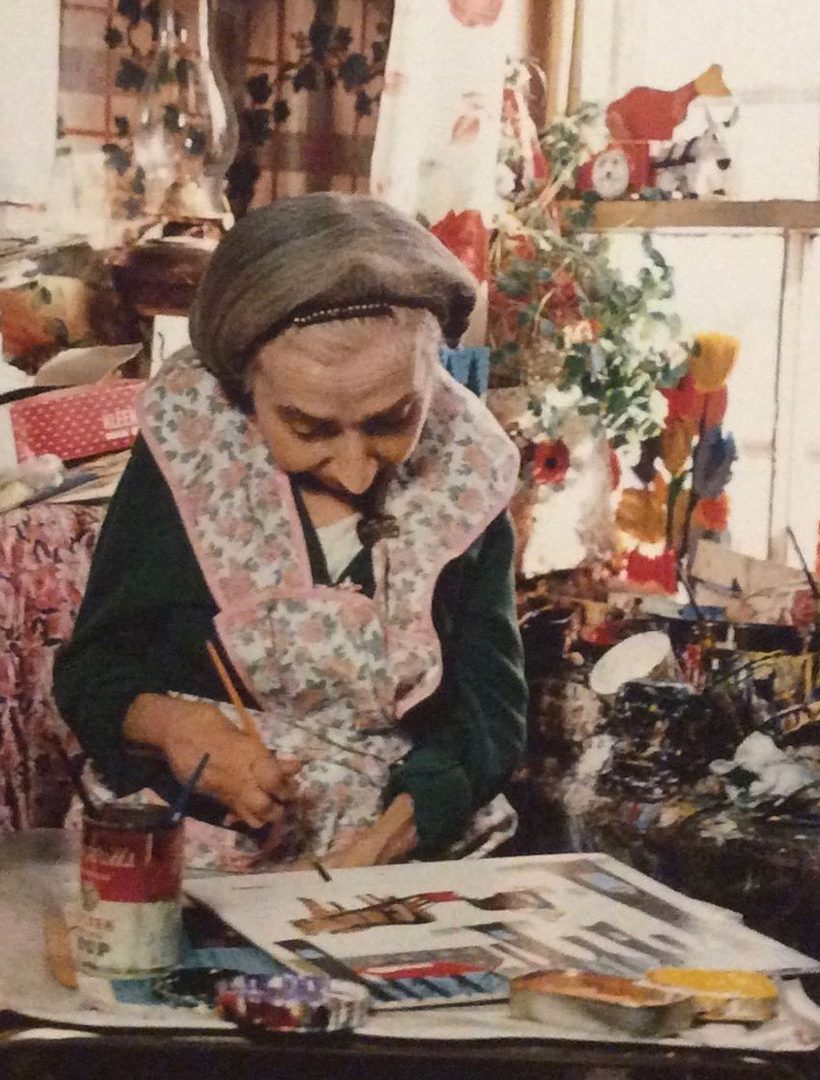
Gallego is known for constructing his own sets by hand, crafting interiors where every object feels placed with intention. Walls are painted, light is sculpted, and subjects are positioned with painterly precision. This is not photography built on spontaneity; it is photography as quiet choreography. The result is a body of work that feels intimate and uncanny, grounded in realism yet gently unmoored from time.

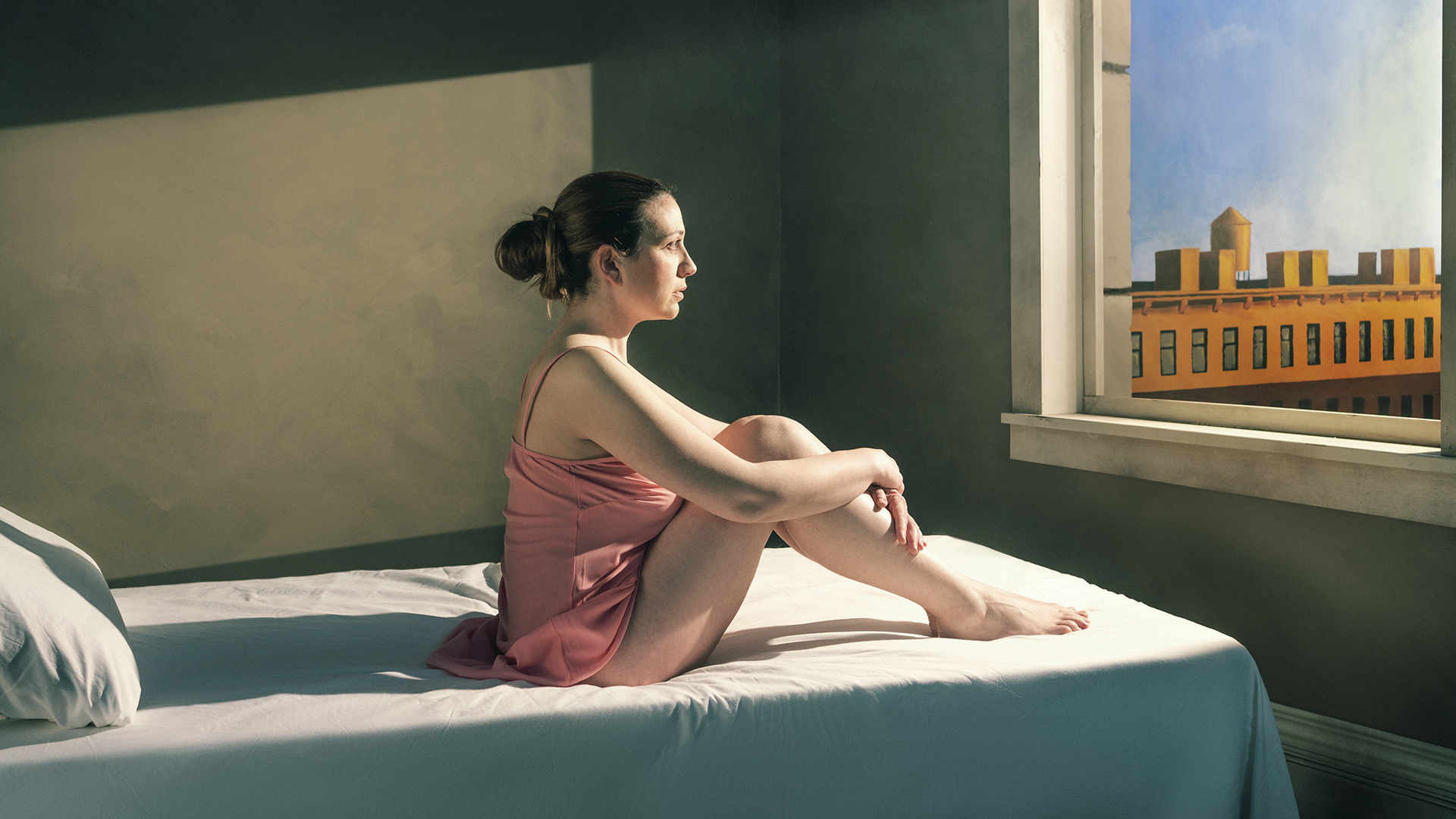
One of his most recognized series, Hopper Essence, draws inspiration from the emotional architecture of Edward Hopper’s paintings. But Gallego is not interested in homage for its own sake. Rather than recreating specific scenes, he distills their emotional temperature: isolation without loneliness, stillness without emptiness. Figures often sit alone in rooms washed with soft daylight, their gazes turned inward, as though listening to thoughts rather than sounds. The spaces feel lived in, yet suspended — rooms that seem to remember rather than host.

What makes these images resonate is their restraint. The color palette is subdued, the gestures minimal. Nothing shouts for attention. Light enters the frame like a guest, carefully invited, shaping the emotional weight of the scene. Windows, doorways, and thresholds recur, reinforcing the sense that these photographs exist between states — between inside and outside, presence and absence, certainty and pause.

Girl at a Sewing Machine, by Andrés Gallego

In more recent projects such as Out of the Field, Gallego turns his attention further inward. These works feel less tied to specific narratives and more aligned with emotional states. Photography becomes a tool for introspection, a way to externalize internal landscapes. The figures remain quiet, the spaces remain controlled, yet the questions grow larger: about identity, solitude, and the fragile line between observation and participation.

Room in New York, by Andrés Gallego

Despite the meticulous staging, Gallego’s images never feel cold. There is warmth in their silence, a human touch beneath the formal control. This balance — between craft and vulnerability — is what gives his work its emotional longevity. The viewer isn’t overwhelmed; instead, they are gently held, encouraged to slow down and sit with the image a little longer than usual.

In a visual culture driven by immediacy and noise, Andrés Gallego offers something rarer: attention. His photographs don’t demand interpretation; they invite contemplation. They remind us that stillness can carry weight, that light can speak softly, and that meaning doesn’t always arrive fully formed — sometimes it unfolds quietly, as we stand in the doorway of a painted room, waiting.

If his images leave you with that soft sense of suspension — as though time briefly loosened its grip — there is more waiting beyond the frame. His official site offers a deeper look into the carefully built sets, quiet interiors, and evolving series that shape his practice. Visit andresgallegophotography.com and step into his contemplative visual world.

Early Sunday Morning, by Andrés Gallego
Scroll