
Set in 1909, Wild Life follows a dapper Englishman who abandons his comfortable life for a wild frontier ranch in Canada, only to find that the New World isn’t quite what he imagined. It’s a short film that drips with charm, grit, and the kind of humor you only find when expectations go up in frostbite and frustration.
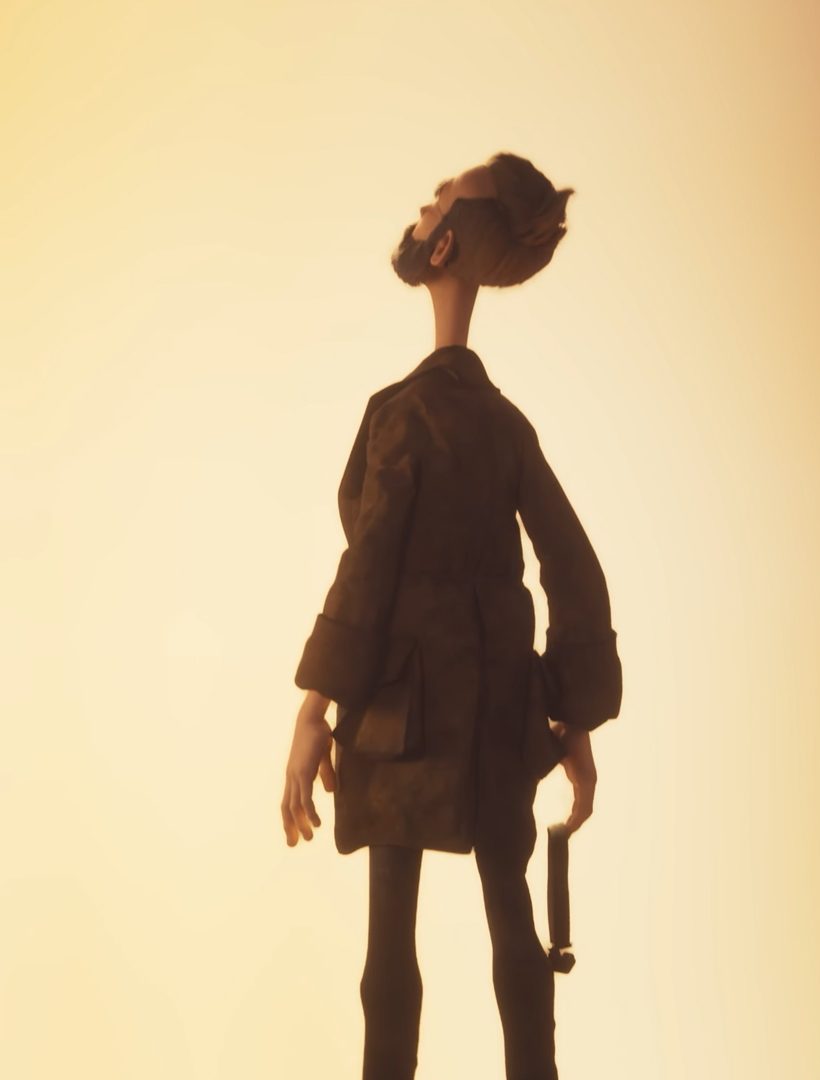
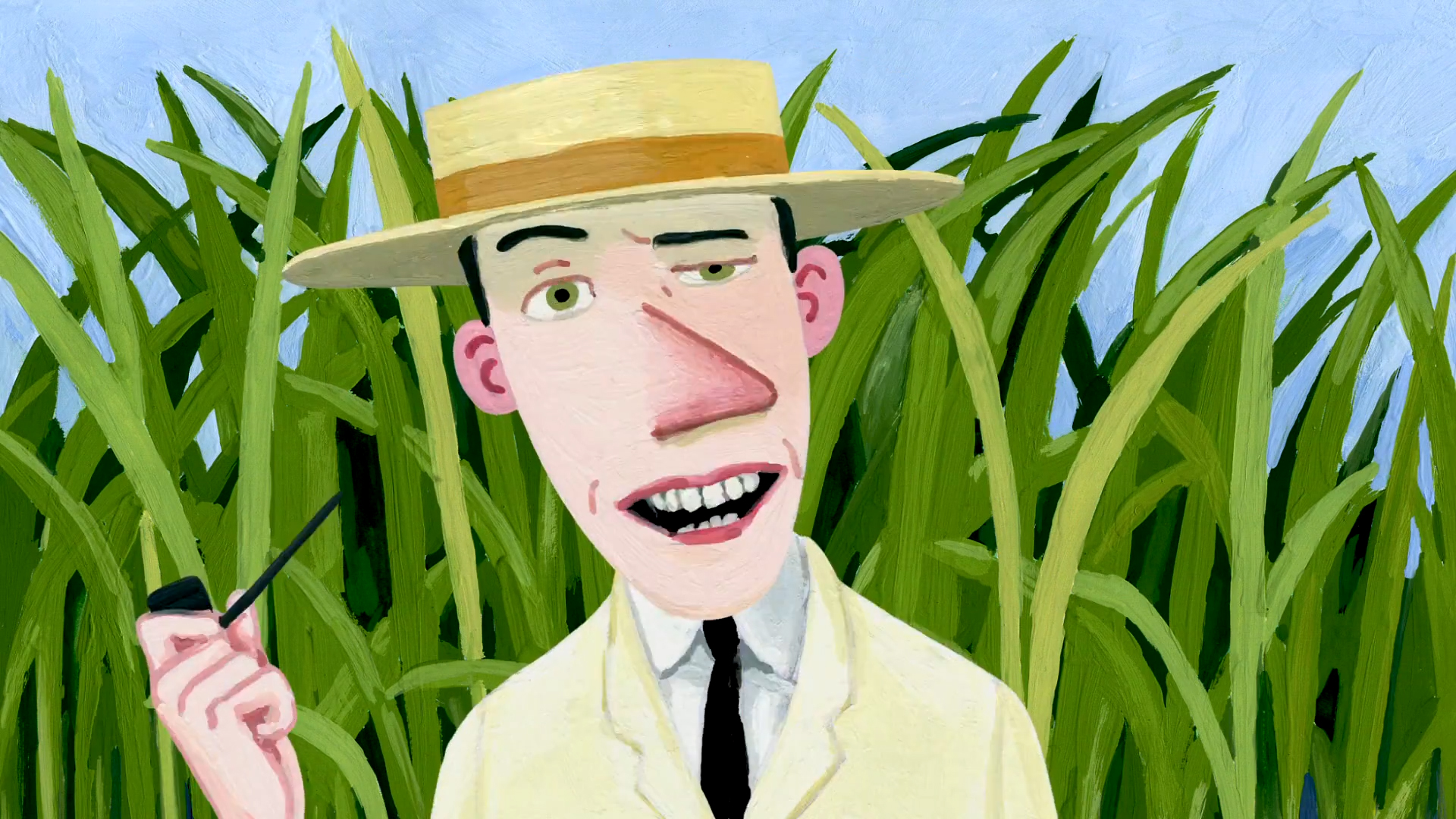
Amanda Forbis and Wendy Tilby visually reimagine that harsh New World with a hybrid animation style that feels both nostalgic and textured. They used a mix of hand-painting over printed images and computer techniques, layering watercolor tones and rough textures to evoke both the beauty and the brutality of wilderness. Every frame feels like it’s lived in—cracked earth, coarse wool coats, and skies you want to squint into.
The protagonist arrives full of ambition and illusion. He wants to “become a man,” ranching and mastering the land. But the land—cold, distant, unforgiving—asserts itself. The weather, animals, and isolation chip away at his resolve. Homesickness creeps in. The invisible cords he thought he cut from his old life begin tugging hard.
Humor in Wild Life is dry, grounded in human failure more than slapstick. When the man tries to herd cattle, or fix a fence in freezing rain, the absurdity of his hopes—meant for something grand—stands out in contrast to the messy reality. It’s funny, yes, but it’s also painful. Each muddy step of ranching feels earned, and each swallowed word of regret carries weight.
Forbis & Tilby don’t soften the struggle. The film leans into discomfort—windburst cold, frost-nipped fingers, mud sucking boots—but there is beauty in that discomfort, too. The cold dawns glow pink. The cattle move like shadows. There’s nostalgia for home and regret for choices made, but also a sense of awe in being small and alive in a place that doesn’t bend.
Visually, Wild Life is remarkable. The textured look of landscapes, the ghostly whiteness of snow, the weight of every step across slick ground—it all feels tangible. Forbis once said that computer painting didn’t quite capture what they wanted: randomness, texture, the imperfect wrinkles of hand work. They embraced that labor because those imperfections carry emotional truth.
What lingers long after watching Wild Life isn’t the harsh cold or the failed attempts at manhood—it’s the sense of someone trying to belong, trying to change, trying to survive. It asks quietly: how much of our identity depends on where we come from, rather than where we stand? How far can you push yourself before the price of change becomes part of who you are?
For creators, Wild Life is a masterclass in marrying aesthetic craft with emotional truth. It shows that mixed technique can enhance narrative, that beauty in hardship can be visually rich, and that failure can be just as telling as success.
If you ever want a short film that feels like standing in snow—cold, sharp, and alive—Wild Life is one to watch. It reminds you that home is sometimes not the place you live in, but the feeling you carry inside, even when the wind pushes you away.