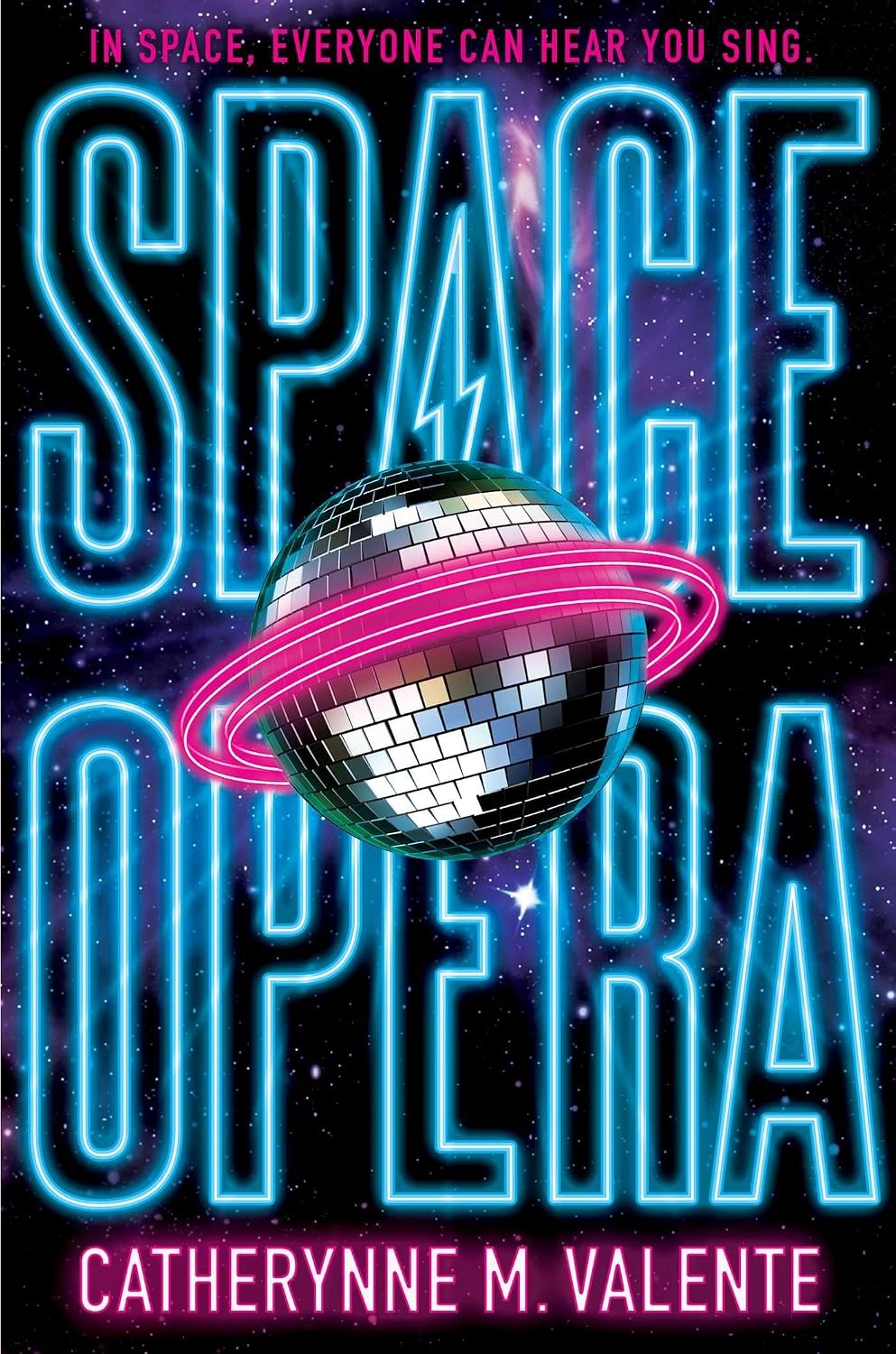
What if humanity’s survival depended on winning Eurovision? It sounds like the setup for a particularly strange joke, but Catherynne M. Valente turns that wonderfully ridiculous idea into Space Opera, a science fiction novel packed with glam rock, bizarre aliens, and some surprisingly big questions about what makes us human.


Written by
Lila Monroe
in
From the Shelf
Book Review
Space Opera: Eurovision, But Make It Intergalactic
The Galaxy’s Biggest Talent Show
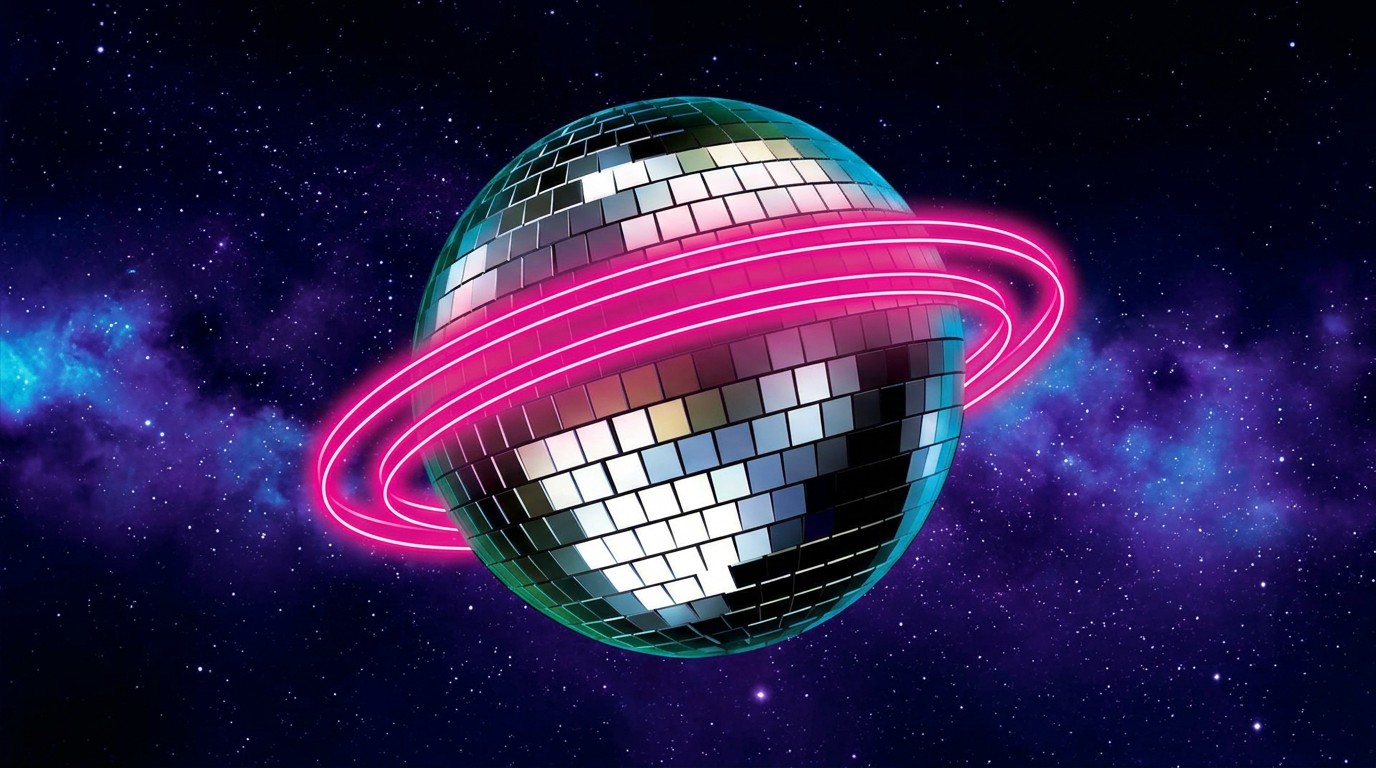
The premise is gloriously absurd. After a devastating conflict known as the Sentience Wars, the galaxy establishes the Metagalactic Grand Prix, a music competition designed to determine which species deserve a place among the universe’s intelligent civilizations. Newcomers must participate, and finishing last means extinction. No pressure, Earth.
Humanity’s representatives? Decibel Jones and Oort St. Ultraviolet, two surviving members of a washed-up glam rock band called Decibel Jones and the Absolute Zeros. Once upon a time, they had a hit album. Now they must reunite, deal with their complicated past, and somehow convince an entire galaxy that humans are worth keeping around.
Valente draws inspiration from Eurovision, David Bowie, and Douglas Adams, and the combination works beautifully. The alien contestants include creatures so strange that describing them feels like an exercise in creative madness. The result is a universe where musical performances can be as bizarre as the beings delivering them, and a glitter-covered stage might be the only thing standing between humanity and oblivion.
More Than Glitter and Guitars
The jokes come thick and fast, but Space Opera isn’t just a comedy of cosmic proportions. Beneath the outrageous premise, Valente explores culture, nationalism, xenophobia, and the ways different species decide who belongs. The competition becomes a clever, if decidedly unconventional, way to ask what intelligence and civilization actually mean.
There’s also a more personal story beneath all that intergalactic spectacle. Decibel and Oort carry the scars of their band’s breakup and the loss of their former bandmate, Mira Wonderful Star. Their unresolved grief gives the novel an emotional core that balances its more chaotic moments.
Valente’s writing is energetic, imaginative, and gloriously over the top. Her lengthy descriptions and sprawling detours won’t suit every reader, and the story sometimes favors world-building over a fast-moving plot. But if you enjoy science fiction that takes creative risks, that’s part of the fun.
Space Opera is silly, thoughtful, heartfelt, and unapologetically weird. It might not make you believe humanity deserves a place among the stars, but it will certainly make you want to hear our audition.
You may also like