Collective Arts: Where Creativity Comes With a Can
Elliott Brooks
Written by Elliott Brooks in Dimensions Art & Design Creative

Collective Arts: Where Creativity Comes With a Can

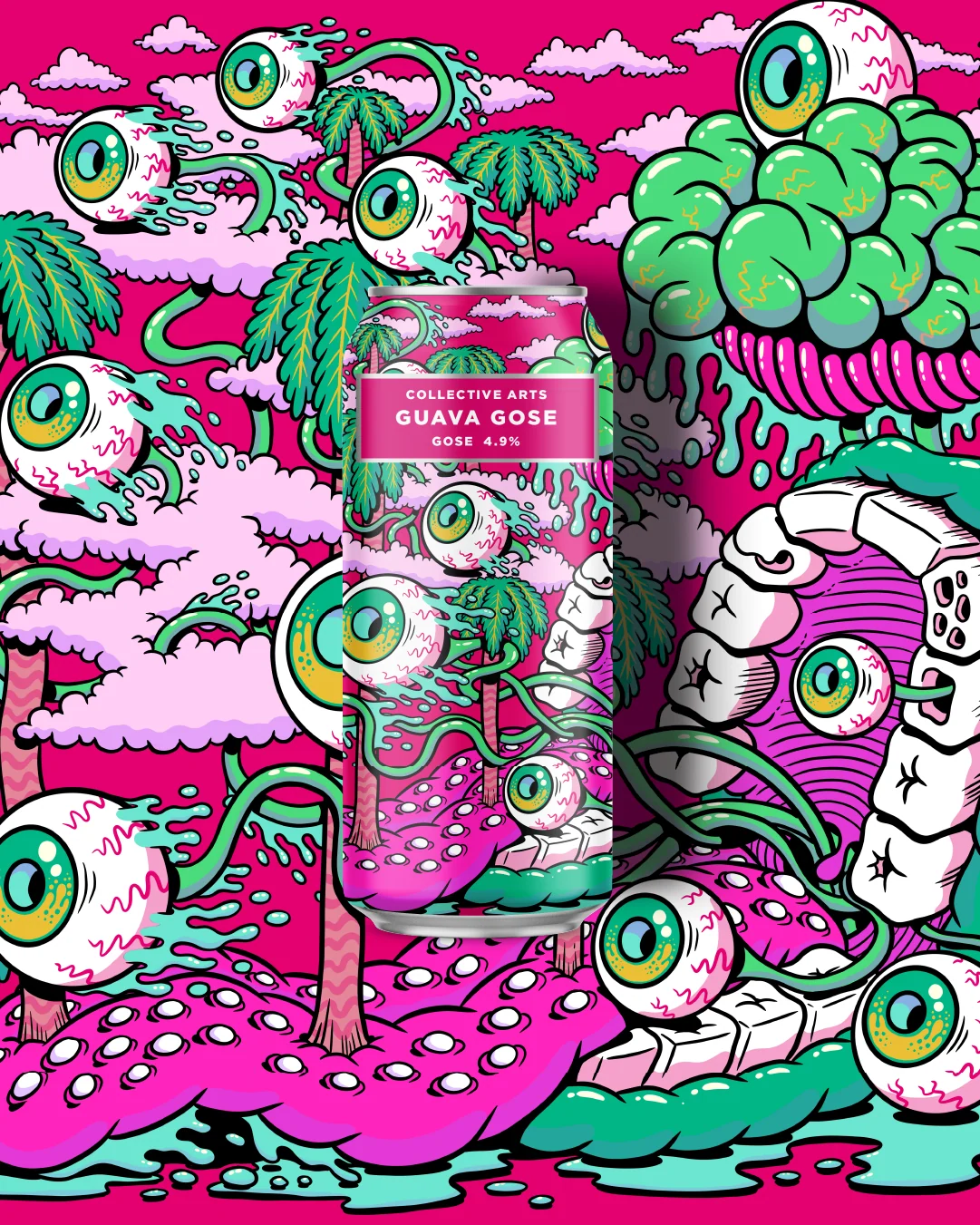
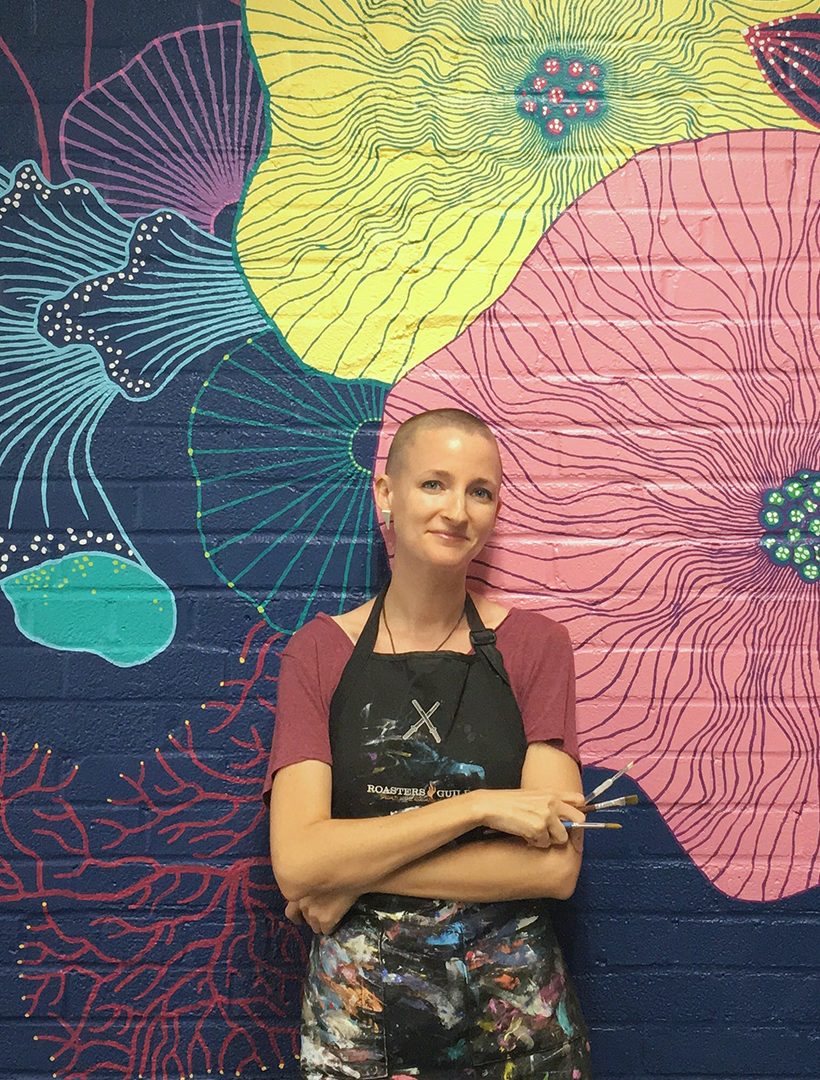
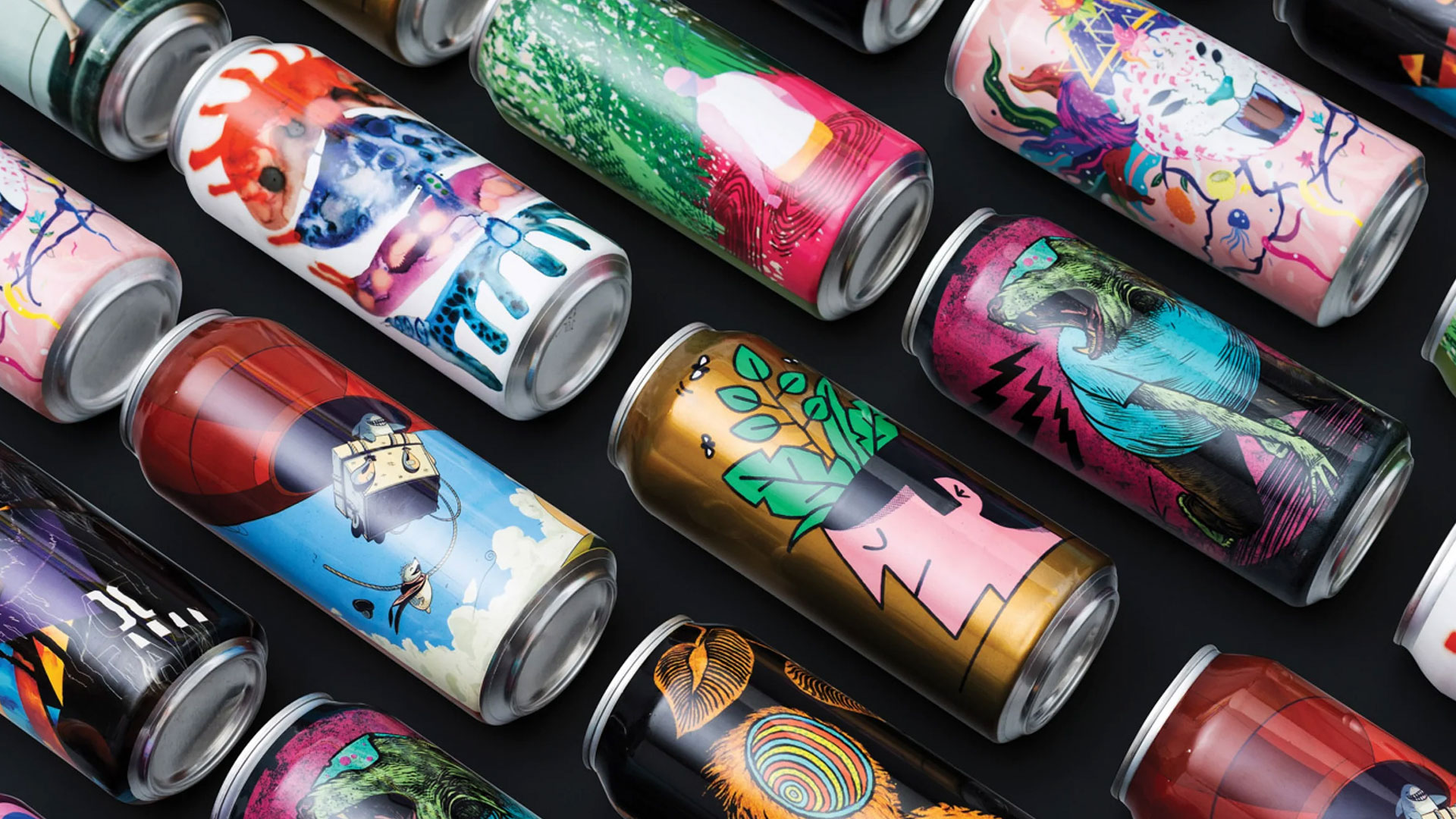
We’ve all picked up a product because the packaging caught our eye. But what if that colourful can introduced us to an artist we’d never heard of? That’s the idea behind Collective Arts, the Hamilton, Ontario-based beverage company bringing art into an unlikely place: the drinks aisle. Its illustrated cans and bottles turn an everyday purchase into an encounter with creativity.

Founded in 2013 by Matt Johnston and Bob Russell, Collective Arts grew from a simple belief: creativity inspires creativity. The company makes craft beer, cider, spirits, ready-to-drink cocktails and non-alcoholic beverages, with artwork woven into its products. Through collaborations, murals, events and creative spaces, it champions the idea that art belongs in everyday life, not just behind gallery doors.
Flanzella
Ilaria Cortesi
The Artists Behind the Labels

Collective Arts invites artists to submit work for consideration, giving creators a chance to reach new audiences. Seeing your artwork on a product that travels from store shelves to parties can be a pretty special experience. It brings art to people who might not actively seek it out.

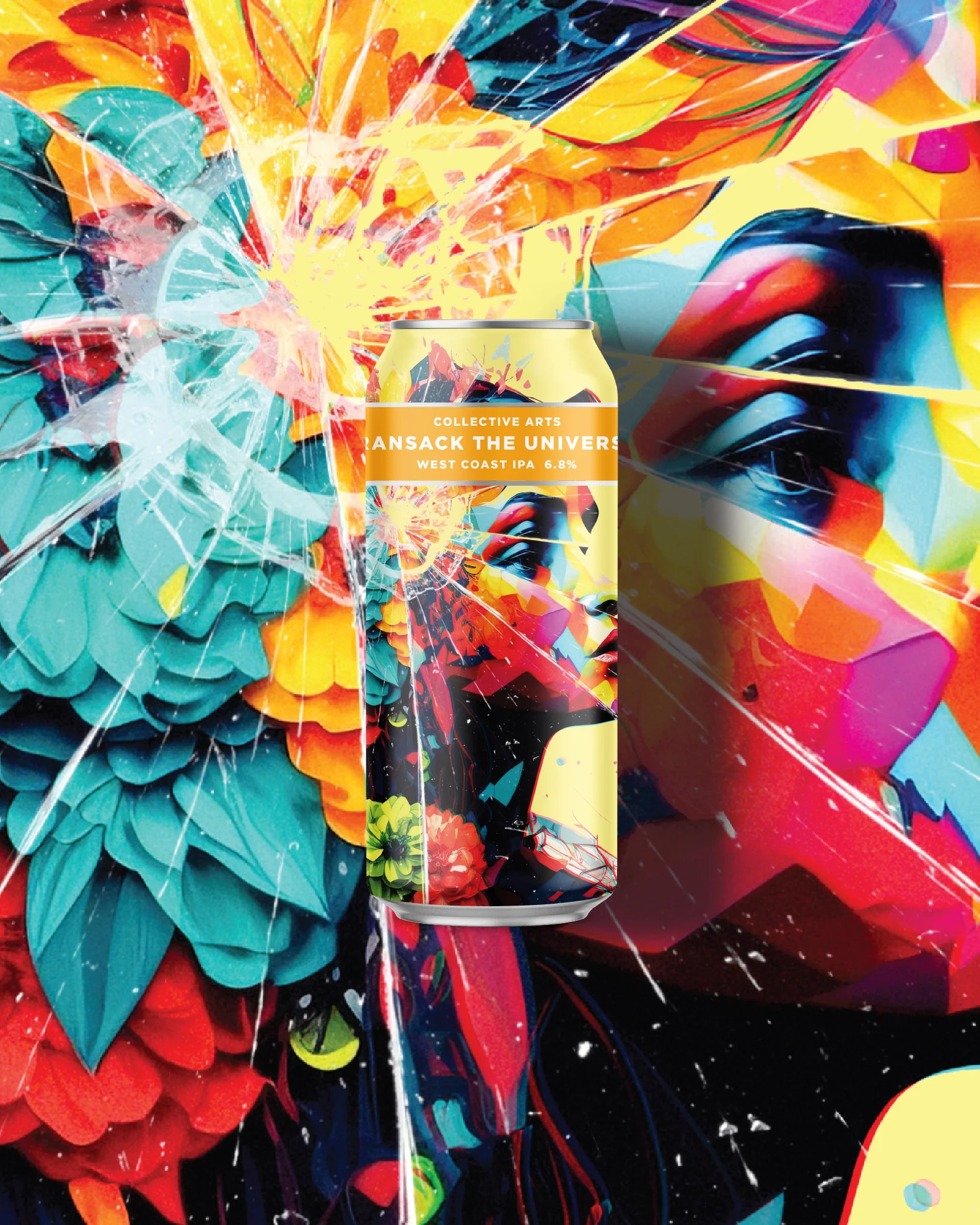
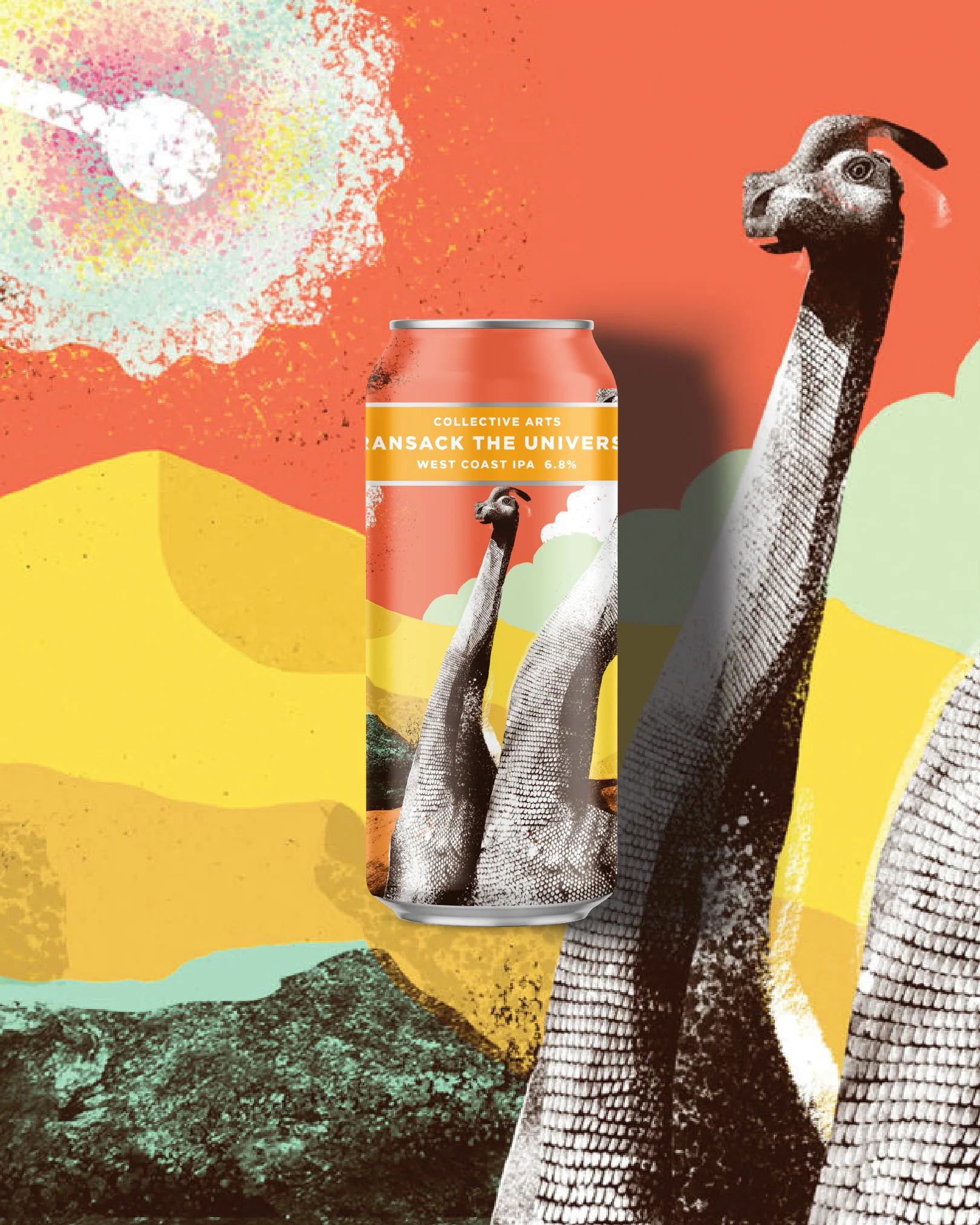
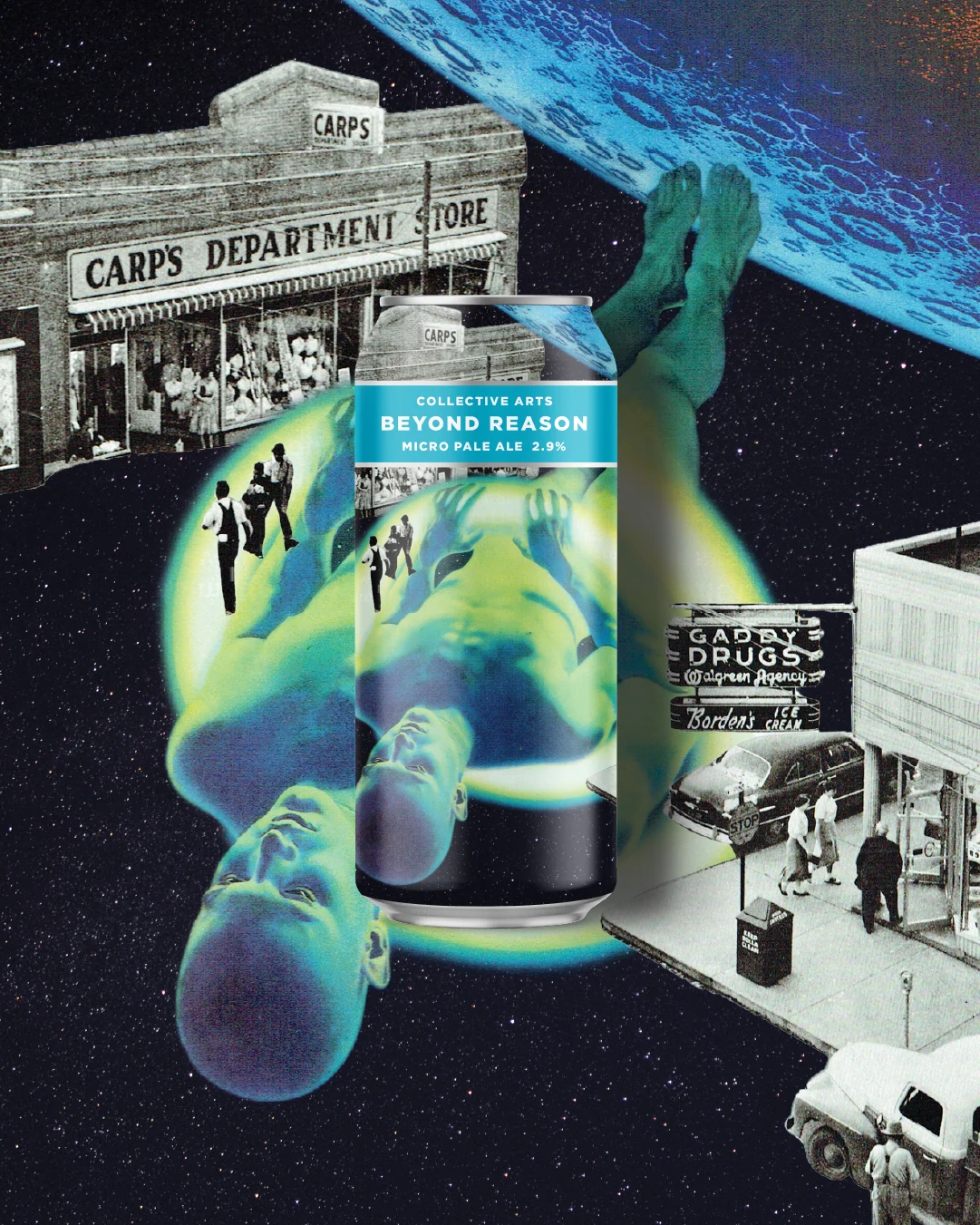
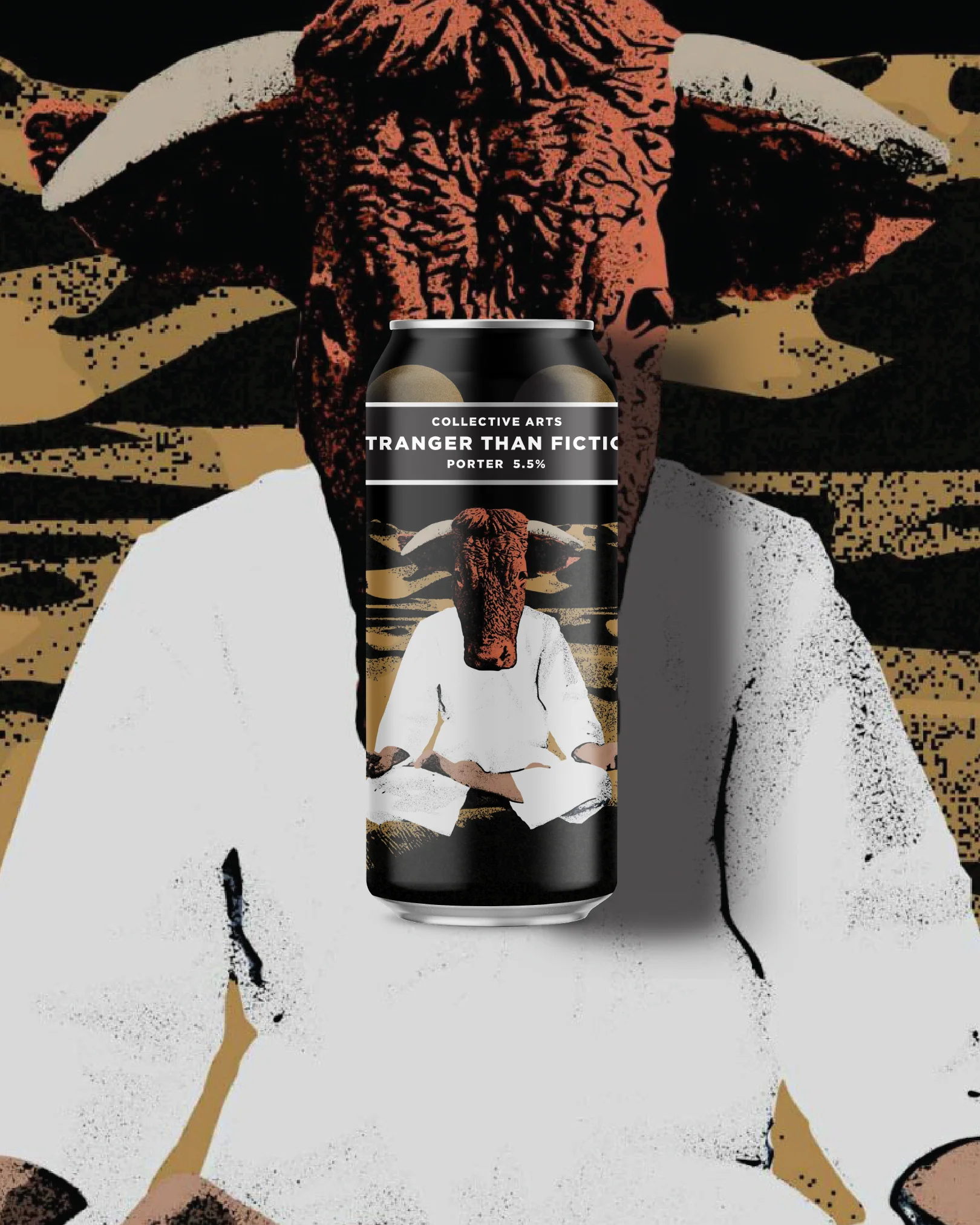
Toronto-based artist Flanzella makes handmade collages from vintage magazines dating from the 1920s through the 1990s. Her playful images use humour and familiar references to question social norms. Ilaria Cortesi, also known as Ame Onna, combines vintage imagery with the natural world in bold, colourful digital collages. Both show how much personality can emerge when there’s room to experiment.

Creativity Beyond the Gallery

Part of Collective Arts’ appeal is that discovering art feels wonderfully unceremonious. You don’t need to know contemporary illustration or plan a museum visit. You might simply spot an unusual image while browsing, turn the can around and find something that makes you smile or think twice. Repeated across thousands of products, it puts creative work in front of a broad audience.

CatDirty, a Toronto-based illustrator influenced by counterculture, skateboarding and underground comics, brings an irreverent energy. Their vivid work begins with pencil and paper before moving into digital form, showing how traditional and contemporary techniques can coexist. On a beverage can, that imagery enters a different visual landscape, surrounded by supermarket shelves and the everyday business of deciding what to drink. Art becomes part of the moment, rather than a separate destination.

CatDirty
Lost Colony
More Than Packaging

Collective Arts has taken its creative approach beyond cans and bottles. Murals, merchandise, taprooms and cultural events give artists opportunities to work at different scales and in new settings. Its spaces in Hamilton and Toronto bring together art, music, food and community, making them places to gather as well as buy drinks. Its creative programming has also included plans for artist studios and opportunities for local artists to connect.

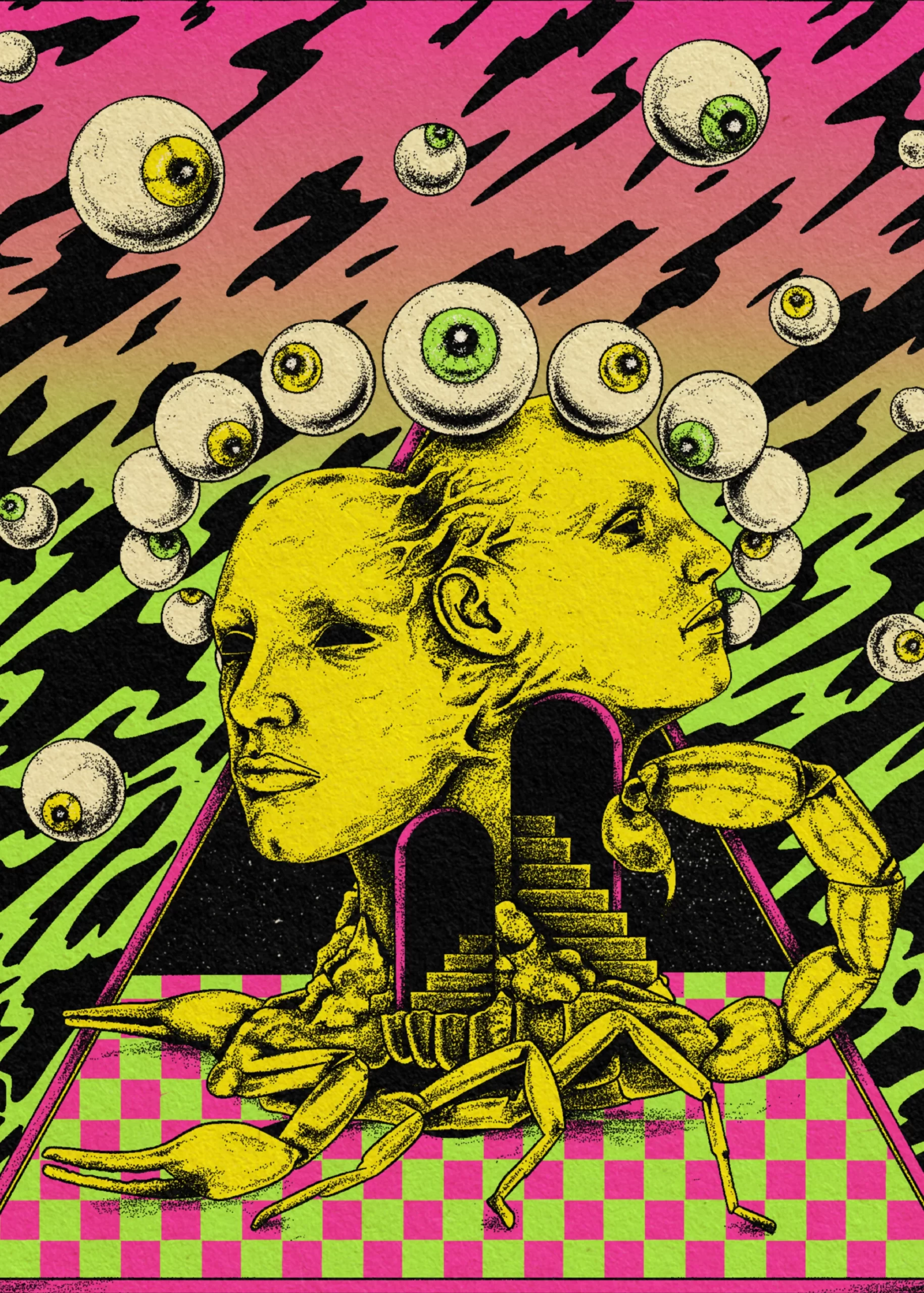
Toronto-based Lost Colony works across digital and analogue art, photography and motion-based creations, while Dushan Milic brings illustration, design and research together in concept-driven imagery. Their work shows that creativity rarely fits neatly into one category. A beverage label can be one meeting place for art, but the bigger opportunity is to let ideas travel between formats and audiences.

A Creative Idea With Substance

Collective Arts is still a beverage company, of course, and the drinks have to stand on their own. Its range spans beers, spirits, cocktails and non-alcoholic options, with experimentation and quality central to the business. The company has earned industry recognition, too. Its identity isn’t built on packaging alone; the aim is to pair a good product with a distinctive visual experience.

There’s a practical side to its support for artists. Collective Arts has reported paying more than $1 million directly to artists whose work appears on its packaging. The model gives creators exposure while helping the brand stand apart in a crowded marketplace. There are commercial benefits, naturally, but art isn’t treated as a decorative afterthought. It’s part of the product’s identity from the start.

Dusan Milic

What makes Collective Arts interesting is the way it brings separate worlds into contact. Artists reach people beyond traditional creative spaces, consumers discover work unexpectedly, and the business builds its identity around collaboration. Not every can will send someone down an artistic rabbit hole. But a moment of curiosity can be a beginning, and the next encounter might lead somewhere entirely different.

For a company built around the belief that a creative world is a better world, that’s a fitting ambition. Art doesn’t have to stay on a gallery wall, and discovering something new doesn’t have to begin with a museum ticket. Sometimes it starts with a colourful can in the fridge. Explore Collective Arts and the artists behind its changing creative universe, and see what happens when an everyday product becomes an unexpected canvas.

Leesa Westwood
Scroll