
Yellowface: When the Story Isn’t Yours
Lila Monroe
Written by Lila Monroe in From the Shelf Book Review

Yellowface: When the Story Isn’t Yours

What happens when a struggling writer gets the opportunity she has always wanted, only because someone else is no longer around to claim it? In R.F. Kuang’s Yellowface, June Hayward finds an unpublished manuscript belonging to her successful friend Athena Liu after Athena’s sudden death. She takes it, polishes it, and publishes it under her own name. What follows is part literary thriller, part satire, and part deeply uncomfortable look at the stories we tell ourselves.

June knows exactly what she is doing, even when she finds increasingly elaborate ways to convince herself otherwise. The manuscript tells the story of the Chinese Labour Corps during the First World War, making June’s decision even more complicated as questions of race, cultural appropriation and who gets to tell particular stories begin to surface. Soon, her stolen success becomes tangled in social media outrage, publishing politics and the fear of being exposed.
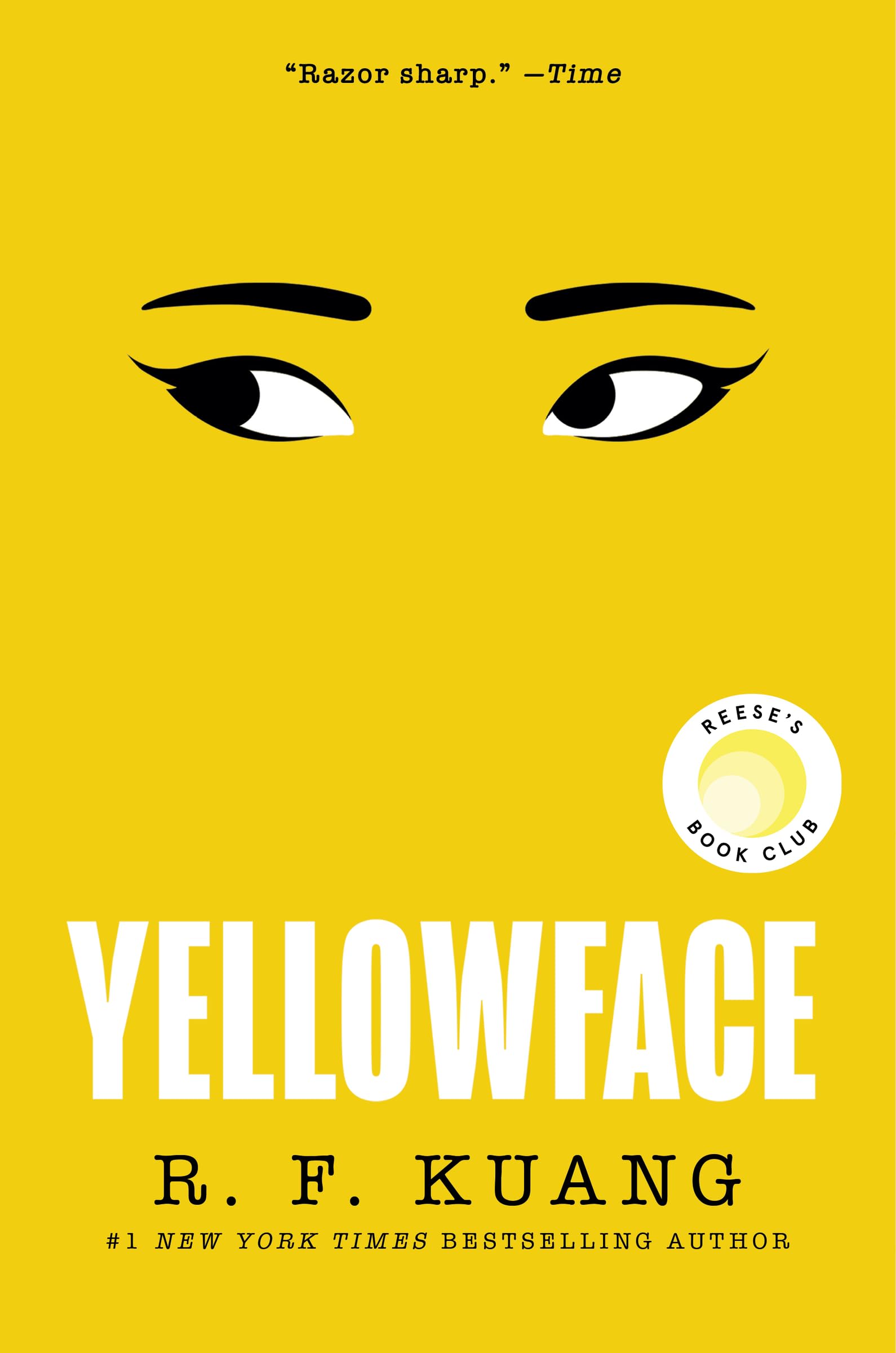
Steal this story on Amazon
A Book About the Book Business

One of the most entertaining things about Yellowface is how much fun Kuang has poking at publishing itself. Marketing strategies, bestseller lists, author branding, online criticism and the strange expectation that writers should constantly promote themselves all become part of the satire. If you have ever watched literary Twitter turn a small disagreement into an international incident, some of these scenes may feel almost suspiciously familiar.

But underneath the jokes is something more unsettling. Kuang wrote the novel during the pandemic, when isolation and online life were reaching an exhausting intensity. June becomes trapped in a cycle of comparison, attention and outrage, where every new post threatens to make her situation better or considerably worse. The novel captures the peculiar anxiety of being constantly connected while feeling increasingly alone.

Stories, Identity and the Lies We Tell

Kuang deliberately avoids making Yellowface a simple morality tale. Athena herself is hardly innocent, having built parts of her career around other people’s experiences while enjoying her position as a successful Asian American writer. June, meanwhile, is infuriating precisely because she keeps finding ways to see herself as the victim.

That ambiguity is what gives the novel its bite. Even the ghostly presence that seems to follow June after Athena’s death can be read several ways: supernatural haunting, guilt, paranoia, or some combination of all three. Beneath everything is a bigger question about storytelling itself. Who controls a story? Who profits from it? And how much can we reshape reality before we start believing our own version? Yellowface doesn’t answer neatly. It simply keeps turning the page.

Scroll