Ed Fairburn Draws the Lines Between People and Place
Elliott Brooks
Written by Elliott Brooks in Dimensions Art & Design Creative

Ed Fairburn Draws the Lines Between People and Place

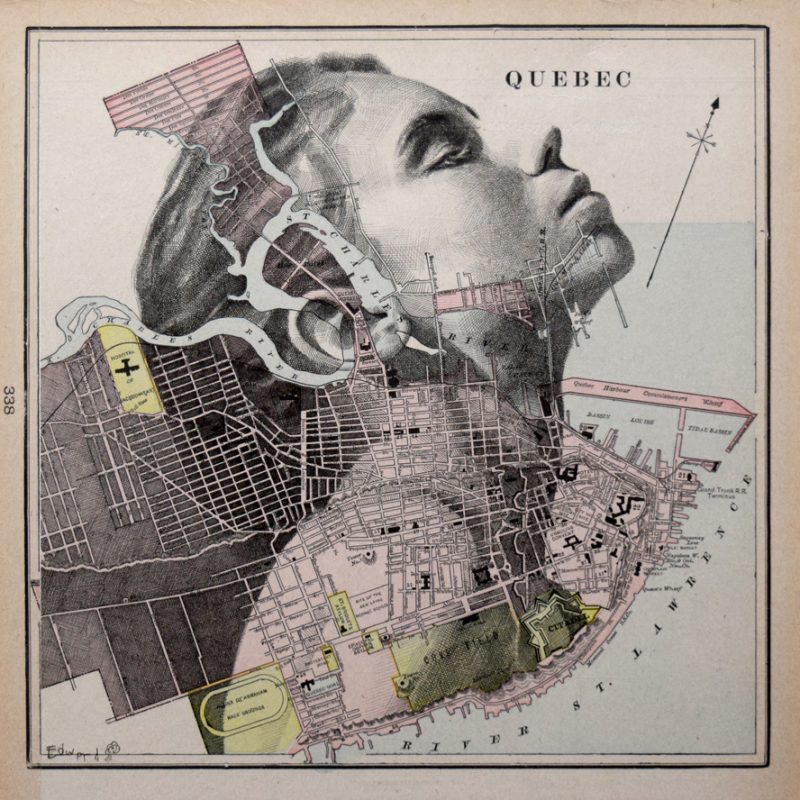
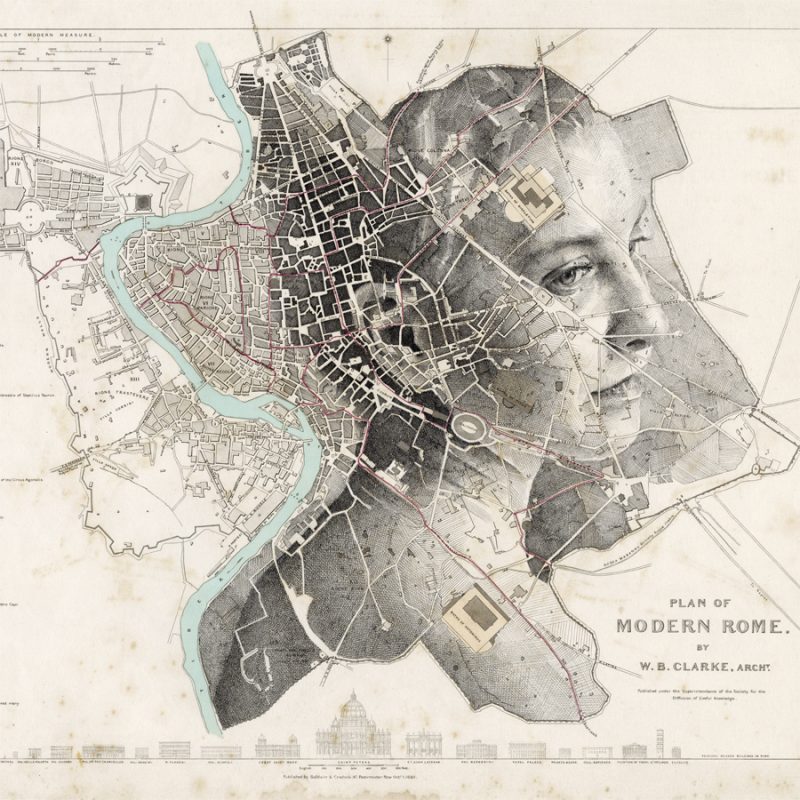
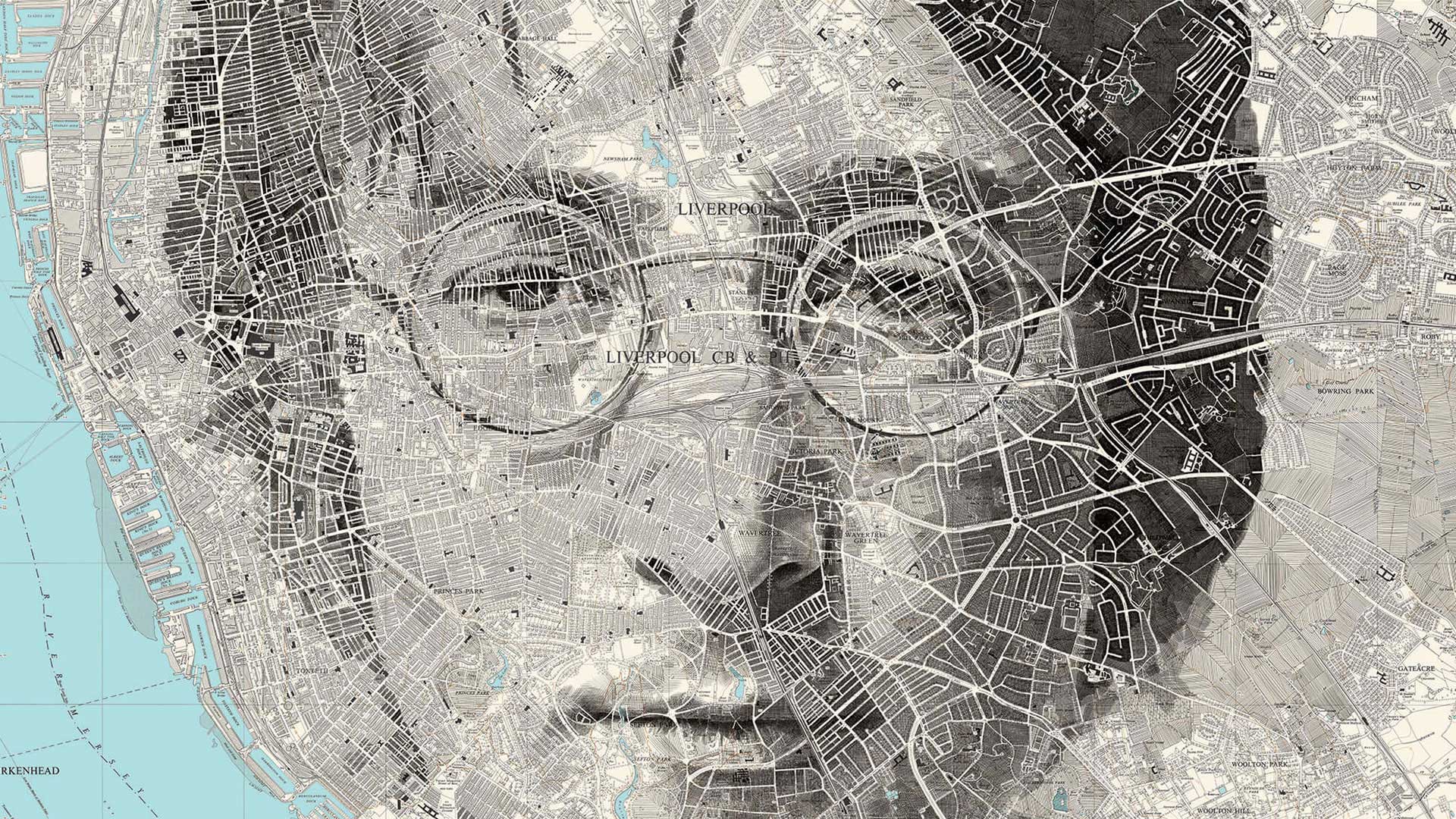
A road becomes the curve of a cheek. A river follows the bridge of a nose. Contour lines slowly emerge as strands of hair. Looking at one of Ed Fairburn’s portraits feels like watching two seemingly unrelated worlds settle naturally into one another.

The British artist has developed an unmistakable visual language by drawing directly onto vintage maps, atlases, geological surveys, and star charts. Rather than treating these documents as blank canvases, Fairburn works with the geography already on the page, allowing landscapes and human faces to coexist in remarkable harmony. The result is artwork that feels simultaneously familiar and impossible.
Portraits Hidden in Cartography

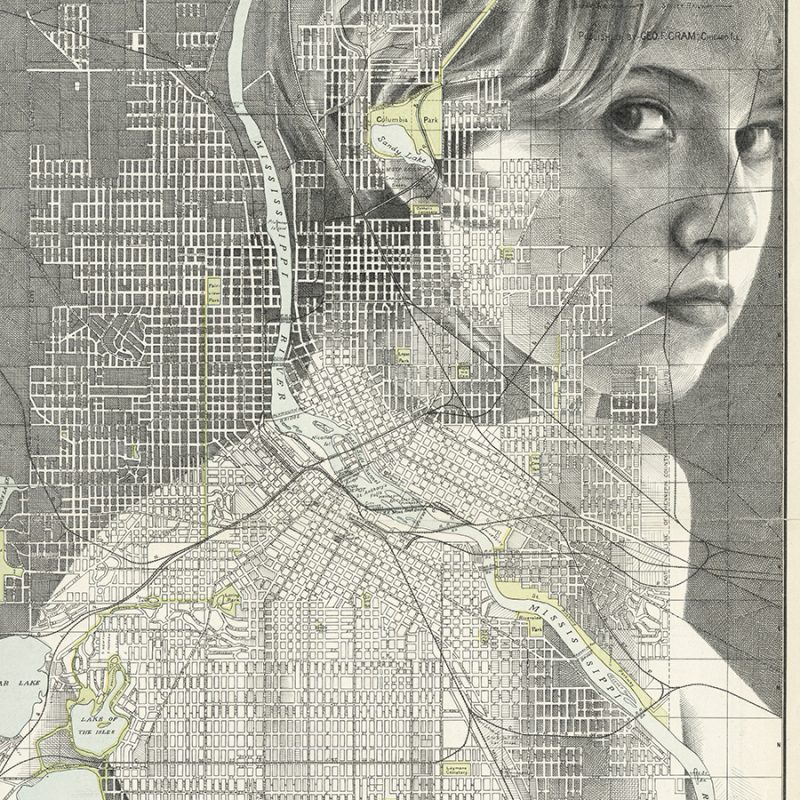
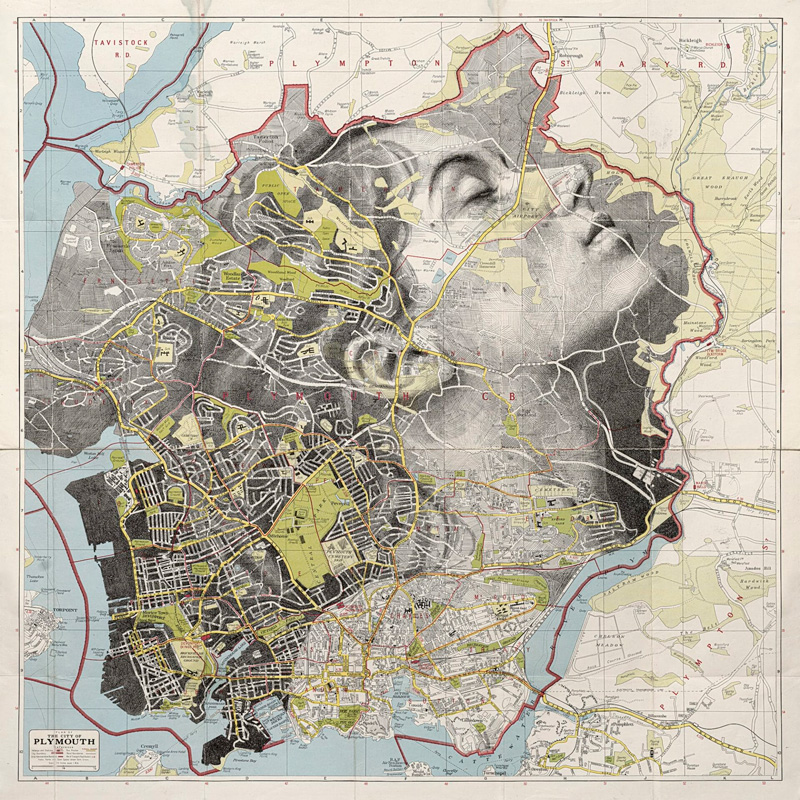
Fairburn describes his technique as “topopointillism,” a term combining topography and pointillism. Using ink, pencil, paint, and meticulous crosshatching, he carefully modifies existing roads, rivers, contour lines, and coastlines until they gradually reveal a portrait without ever erasing the map itself.

The process begins long before he makes the first mark. Fairburn often spends hours studying a map, searching for what he calls “anchors”: patterns, leading lines, and subtle visual echoes that can guide the composition. Rather than imposing a face onto the landscape, he describes the experience as a conversation, responding to the map instead of competing with it.

Ed Fairburn. Minneapolis
Ed Fairburn. Plymouth
Maps That Remember

Maps are usually designed to help us navigate space, but Fairburn is fascinated by the lives they have already witnessed. Fold marks, handwritten notes, local advertisements, worn edges, and fading ink become quiet reminders that every map has travelled through someone’s hands before arriving in his studio.

That history is essential to his work. Fairburn often speaks about collaborating with the previous life of each map, preserving as much of its original character as possible. Even after a portrait is complete, the cartography remains readable, allowing viewers to discover both the geography and the drawing at the same time.

Seeing from Near and Far

One of the most remarkable aspects of Fairburn’s portraits is how dramatically they change depending on where the viewer stands. From a distance, expressive faces emerge with striking clarity. Step closer, however, and the illusion dissolves into an intricate network of roads, rivers, railways, and contour lines.

That shifting perspective is entirely intentional. Fairburn enjoys the paradox that the portraits lose definition the closer we examine them. His work asks viewers to move constantly between the intimate and the expansive, reminding us that understanding often depends as much on distance as it does on detail.

Ed Fairburn. Quebec City
Ed Fairburn. Rome
The Beauty of Working by Hand

Although Fairburn creates digital mock-ups when planning commissions, every finished artwork is made by hand using traditional materials. Vintage paper, fountain pens, dip pens, brushes, ink, and pencil remain central to his practice, while the imperfections of old maps become part of the finished composition rather than flaws to conceal.

In an age dominated by digital imagery, that physical relationship with the materials carries particular significance. Fairburn believes the history embedded in the paper itself cannot be replicated. Every crease, stain, and faded colour contributes to the artwork, turning each portrait into an object with a story that extends far beyond the image alone.

At its heart, Ed Fairburn’s work explores the enduring relationship between people and place. His portraits suggest that identity is never separate from the landscapes we inhabit, the journeys we make, or the memories attached to a particular corner of a map.

Perhaps that is why his work resonates so strongly. Beyond the extraordinary craftsmanship lies a simple but profound idea: every landscape carries human stories, and every life leaves traces upon the places we call home. Fairburn simply gives those invisible connections a face.

Scroll