Lobster Robin Turns Chaos into a Visual Language
Elliott Brooks
Written by Elliott Brooks in Dimensions Art & Design Creative

Lobster Robin Turns Chaos into a Visual Language

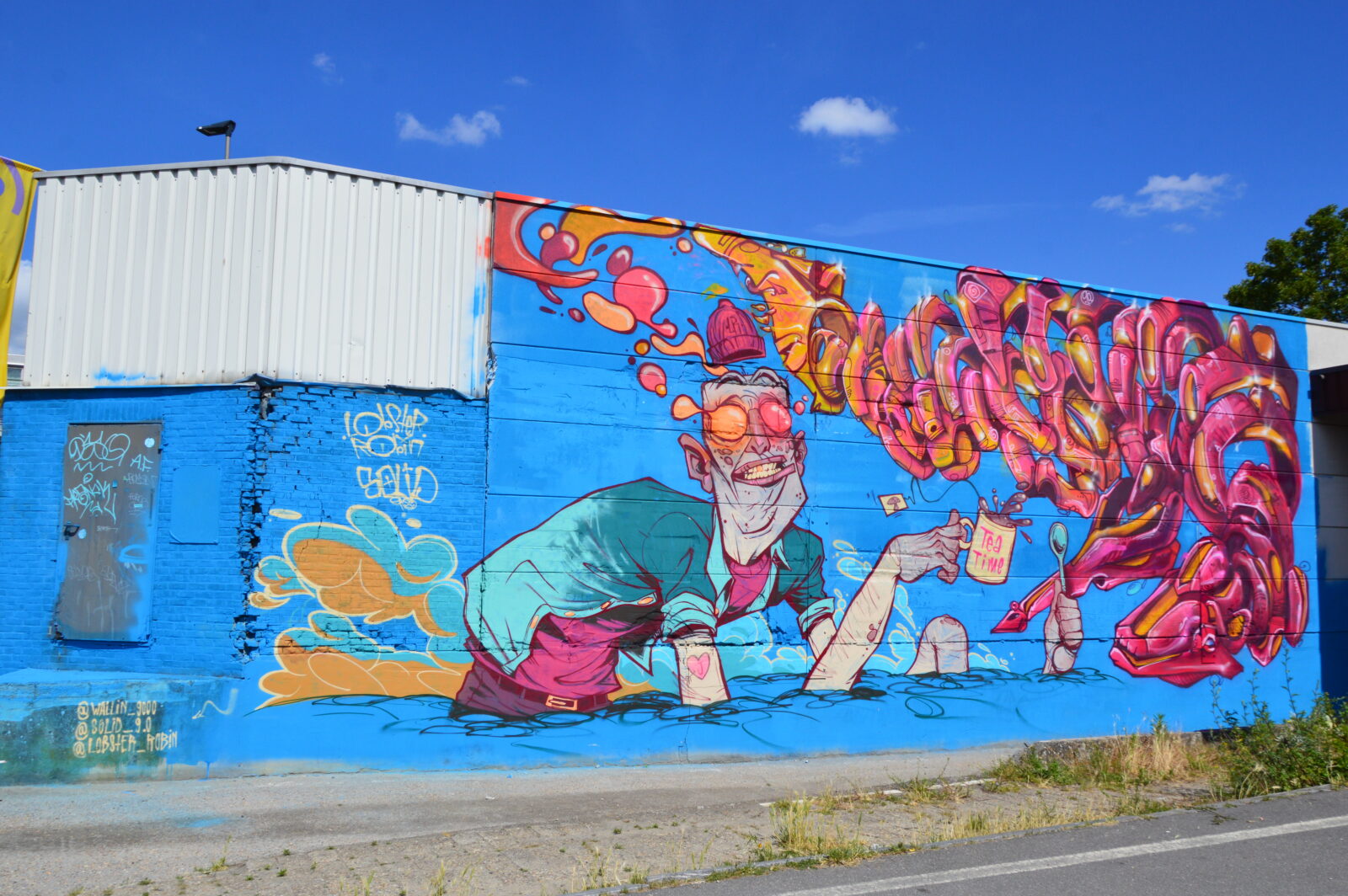
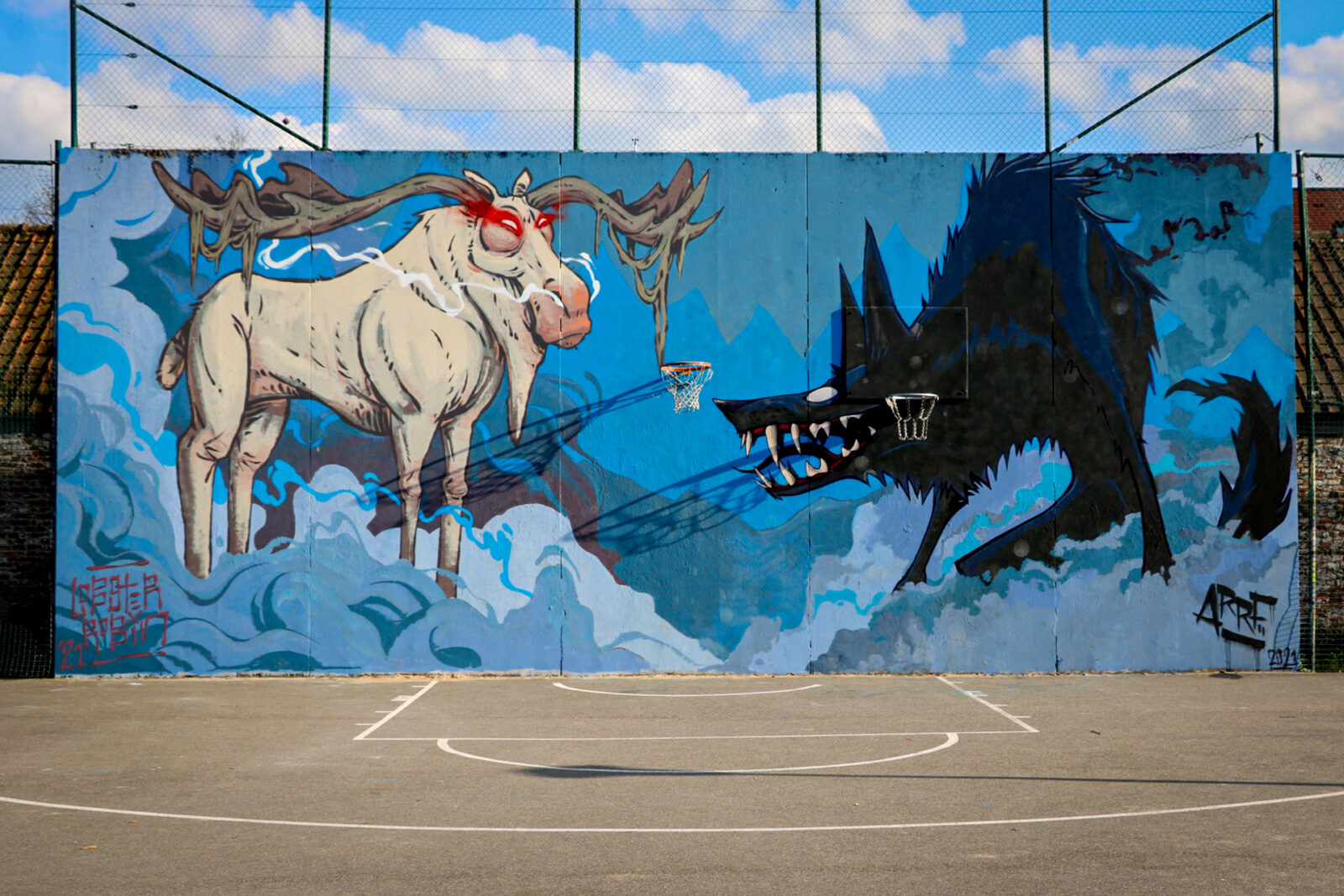
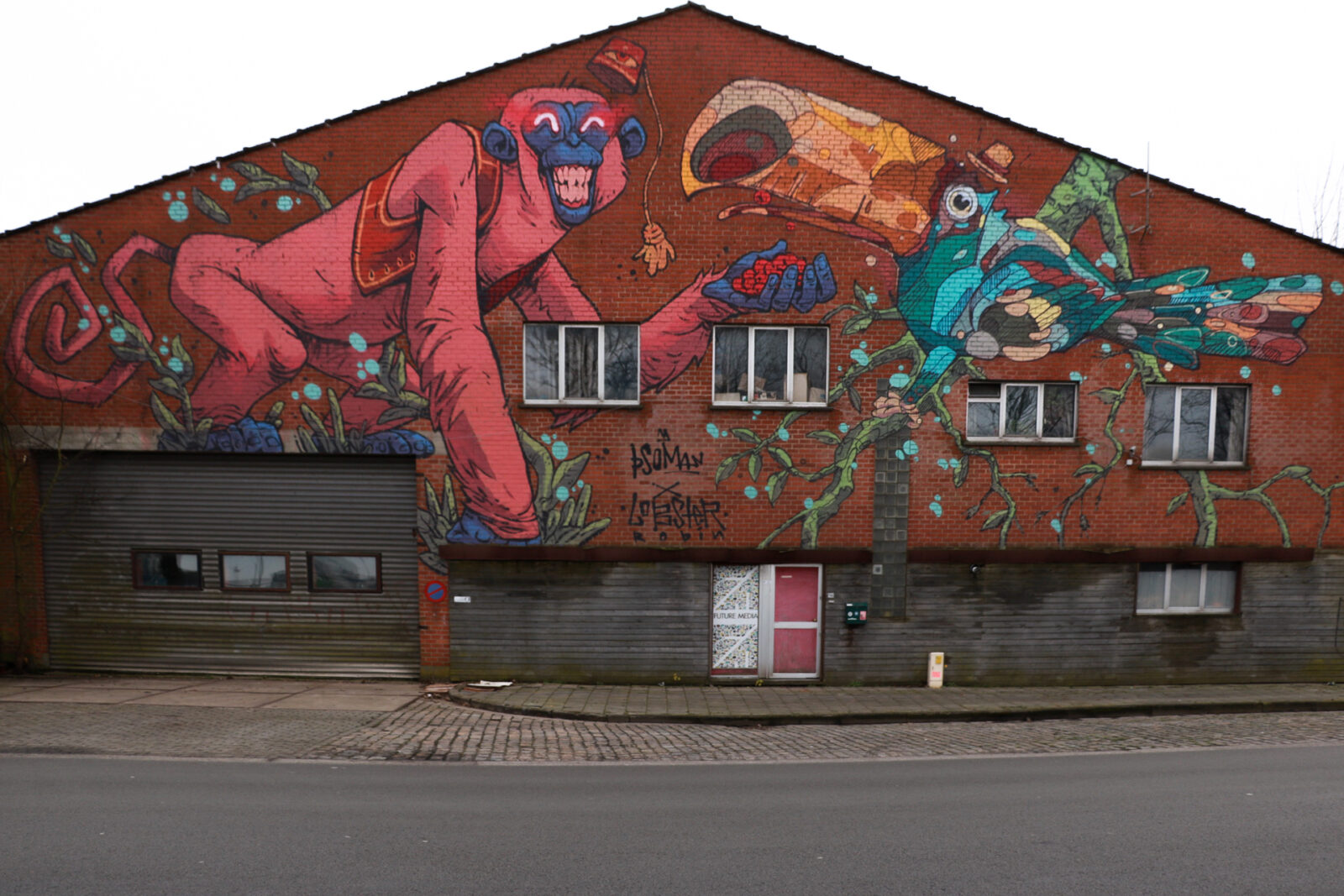
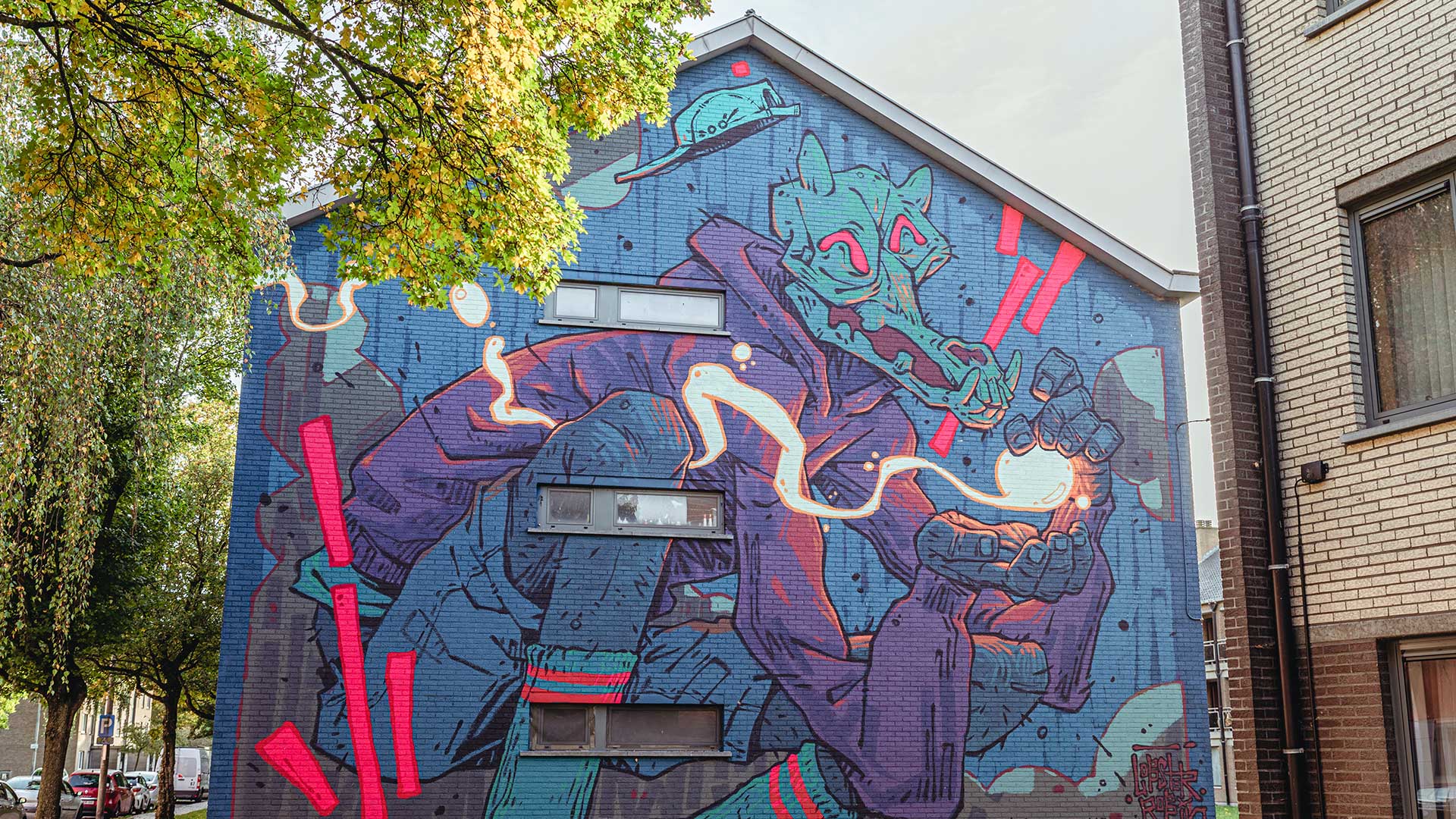
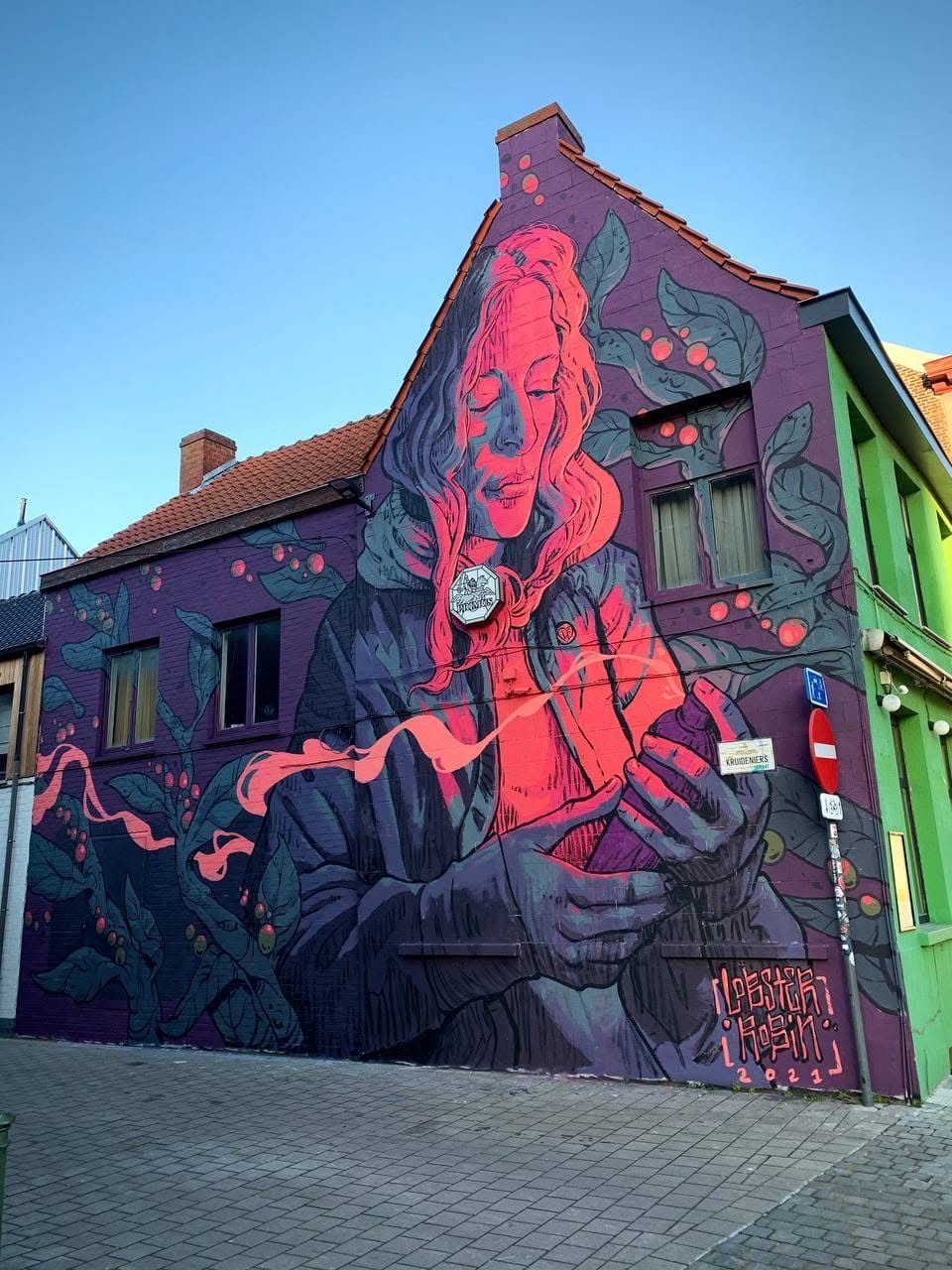
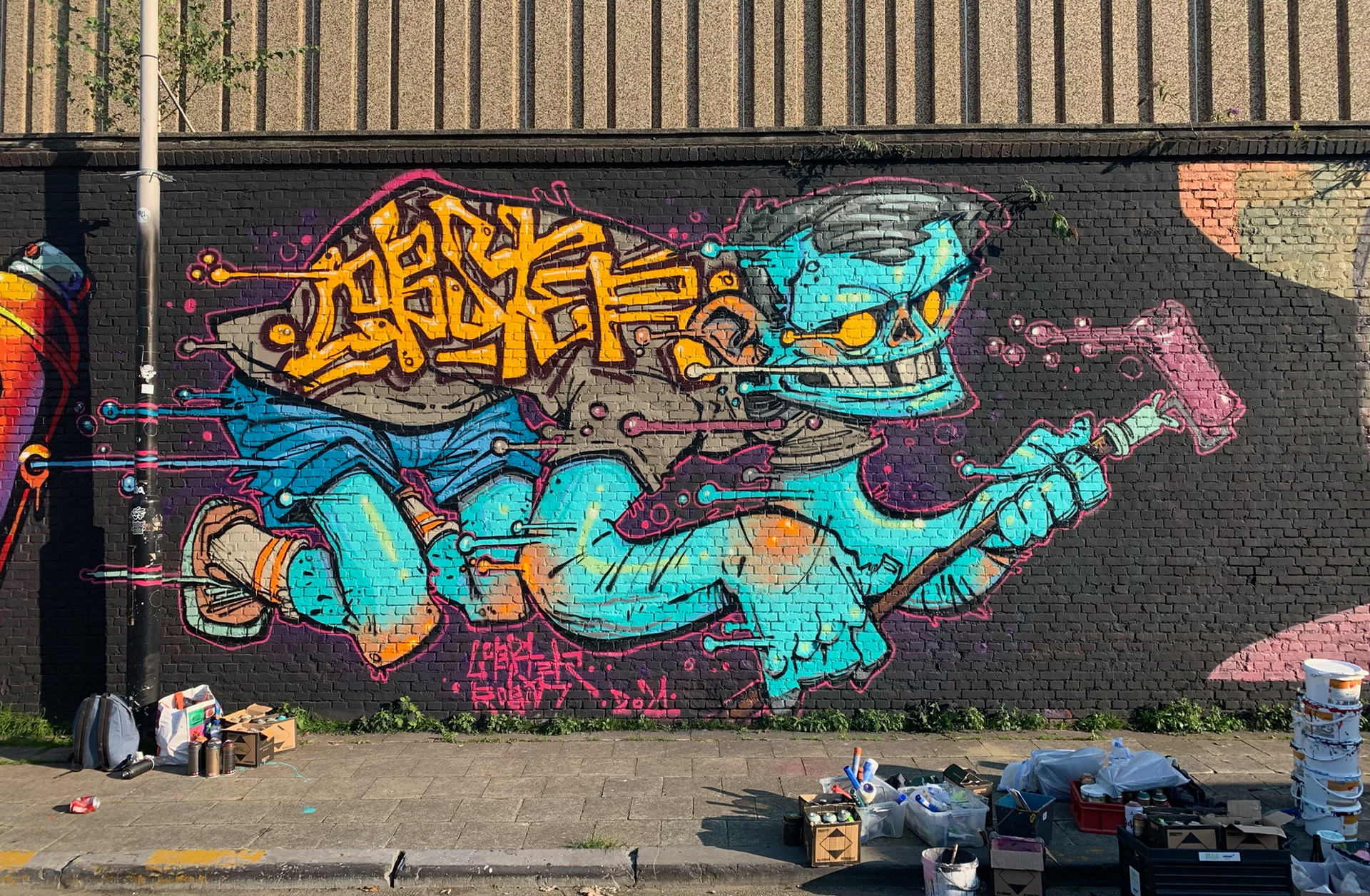
Lobster Robin’s paintings rarely stand still. Built from bold brushstrokes, animated characters, and fearless color combinations, they transform walls and canvases into playful worlds that feel constantly in motion.

Born in Antwerp and based in Ghent, Lobster Robin moves between painting, illustration, animation, and street art with unusual ease. His work carries the precision of character design, the spontaneity of graffiti, and the visual overload of psychedelic imagery, yet it rarely feels random. Under the apparent chaos is a strong sense of structure, timing, and composition.
From Animation to Walls

Before becoming known for murals and canvases, Lobster Robin studied and pursued animation, with a particular focus on character design. Disney films, older cartoons, and comic books were early influences, and traces of that background remain visible in his heavy outlines, exaggerated expressions, and sense of motion.

What changed was not the fascination with characters, but the purpose of making them. In interviews, he describes a gradual realization that commercial studio work—even when it involved designing monsters and fantastical worlds—still felt constrained by project requirements, style guides, and client expectations. Eventually he stepped away from that path, took a warehouse job, and began making only the work he wanted to make. That decision, he says, became the beginning of the “Lobster journey.”

The Brush Changed the Style

One of the most revealing parts of the interviews is how much importance he gives to tools. He repeatedly returns to a simple preference: a worn brush, black paint, and a wall. The brush isn’t just a medium; it’s the thing that shaped the style itself.

Spray paint was his starting point because it was what he saw other muralists using. But he found that it couldn’t produce the particular expressiveness he was after. The moment he picked up an old, frayed brush, the line quality changed. Fast strokes created curves, smears, and confident outlines that felt closer to drawing, animation, and gesture than to traditional graffiti technique. “I want stuff to move,” he says, and the brush became the mechanism that made that movement visible.

Color as Narrative

Lobster Robin’s paintings are often described as psychedelic, but the color is doing more than creating intensity. He treats it as a narrative device. Saturated reds, acid greens, electric blues, and high-contrast outlines push characters forward and pull backgrounds apart, creating the sensation that the entire image is vibrating.

Interestingly, he credits digital experimentation for teaching him much of what he knows about color. years of manipulating images in Photoshop and Procreate became a kind of internal database of compositions and color relationships that he now translates into physical paint on walls and canvases.

Chaos, Control, and the Imaginary World

It’s tempting to read his work as pure improvisation, but the interviews suggest a more balanced picture. He likes flow, spontaneity, and direct marks, yet he also talks about composition, depth, storytelling, and the way bold foreground shapes can create cinematic space. Even a rapid black-and-white battle piece is constructed to guide the eye through a scene.

That balance between instinct and orchestration is what keeps the work from collapsing into noise. The monsters, mascots, floating bodies, and crossed eyes all feel as if they belong to a larger animated universe, one that exists somewhere between comics, graffiti culture, vintage cartoons, and dream logic. The viewer isn’t asked to decode a single message; they’re asked to enter the world and follow its momentum.

The strongest thread running through the interviews is not style, but philosophy. Lobster Robin repeatedly returns to the idea that he wants to make “cool stuff for the sake of it existing,” not primarily for a movie, a corporation, or a commercial brief.

That doesn’t mean he rejects commissions or professional work—he paints walls, canvases, publishes books, and sells merchandise. What it means is that creative freedom sits at the center of the practice. The work remains valuable only if it retains its own flavor, its own movement, and its own strange internal logic. And that may be why the paintings feel so immediate: they aren’t trying to behave. They’re trying to live.

Scroll