
When Failure Becomes the Strategy
Most insurance ads try very hard to look reassuring. Hiscox decided to make theirs completely fall apart instead.
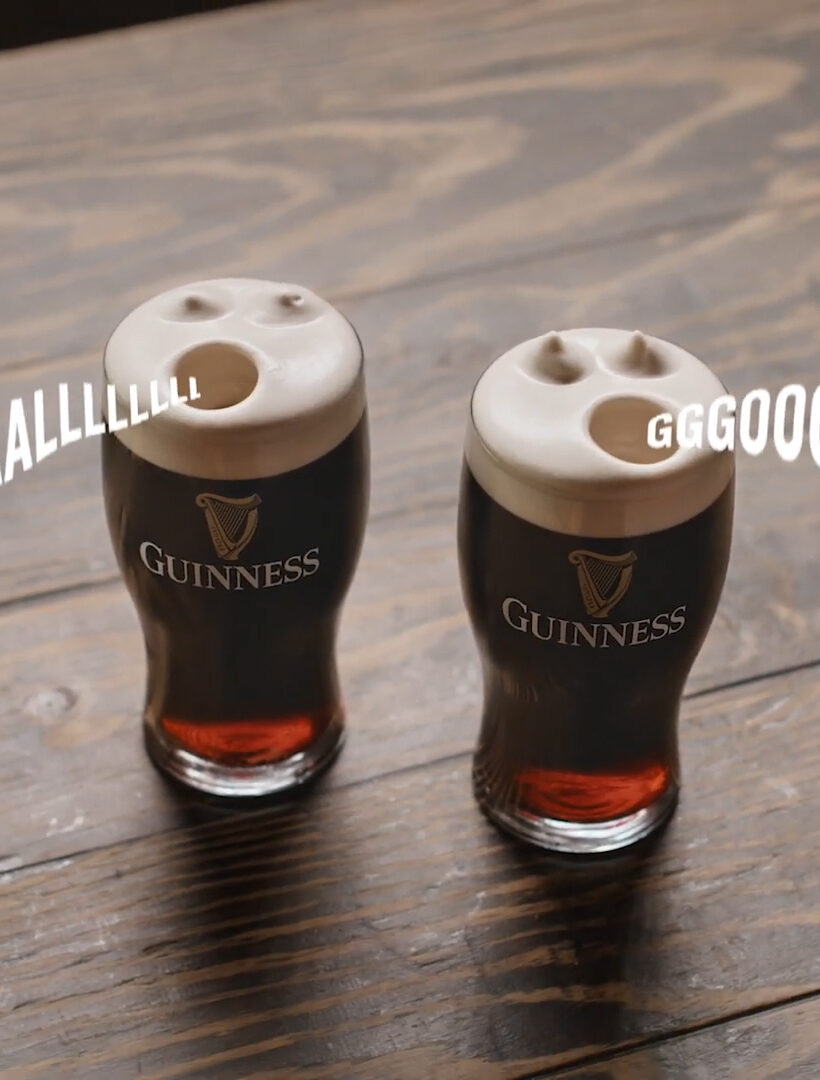
Created by Uncommon Creative Studio, The Most Disastrous Campaign Ever continues its long-running idea of dramatizing business risk by making the ads themselves fail in spectacularly awkward ways. On TV, that means upside-down commercials, missing visuals, wrong-language voiceovers, glitches, incorrect formatting, and even staged copyright infringement involving iconic UK brands.
The joke works because it instantly communicates the thing most business owners already understand: something always goes wrong eventually.
Chaos With a Very Clear Point
What makes the campaign smart is that the disruption never feels random. Every “mistake” mirrors the kinds of everyday disasters businesses quietly worry about—technical failures, legal problems, missed deadlines, communication breakdowns, and expensive human error.
That gives the campaign a rare advantage in the insurance category: it actually talks about risk instead of pretending risk doesn’t exist.
Most insurance brands still operate in a world of perfect smiles and vague promises about being “there for you.” Hiscox goes the opposite direction, leaning directly into anxiety, embarrassment, and unpredictability. Ironically, that honesty makes the brand feel more reassuring.
Turning Imperfection Into Branding
The campaign’s expansion into TV also feels like a natural evolution. What began as typo-filled billboards, smashed outdoor screens, and blank newspaper wraps now becomes a full media experience where the ads themselves seem incapable of functioning properly.
And somehow, the more disastrous everything becomes, the more recognizable the campaign gets. That’s probably because the idea is rooted in something real: running a business often feels like holding things together seconds before they collapse.
Which, honestly, is better branding than another cloudless sky and a smiling family in slow motion.
The ads are broken. The strategy clearly isn’t. — Julian Vega