Wandering the Surreal Spaces of Leonora Carrington
Lila Monroe
Written by Lila Monroe in From the Shelf Art & Design Book Review

Wandering the Surreal Spaces of Leonora Carrington

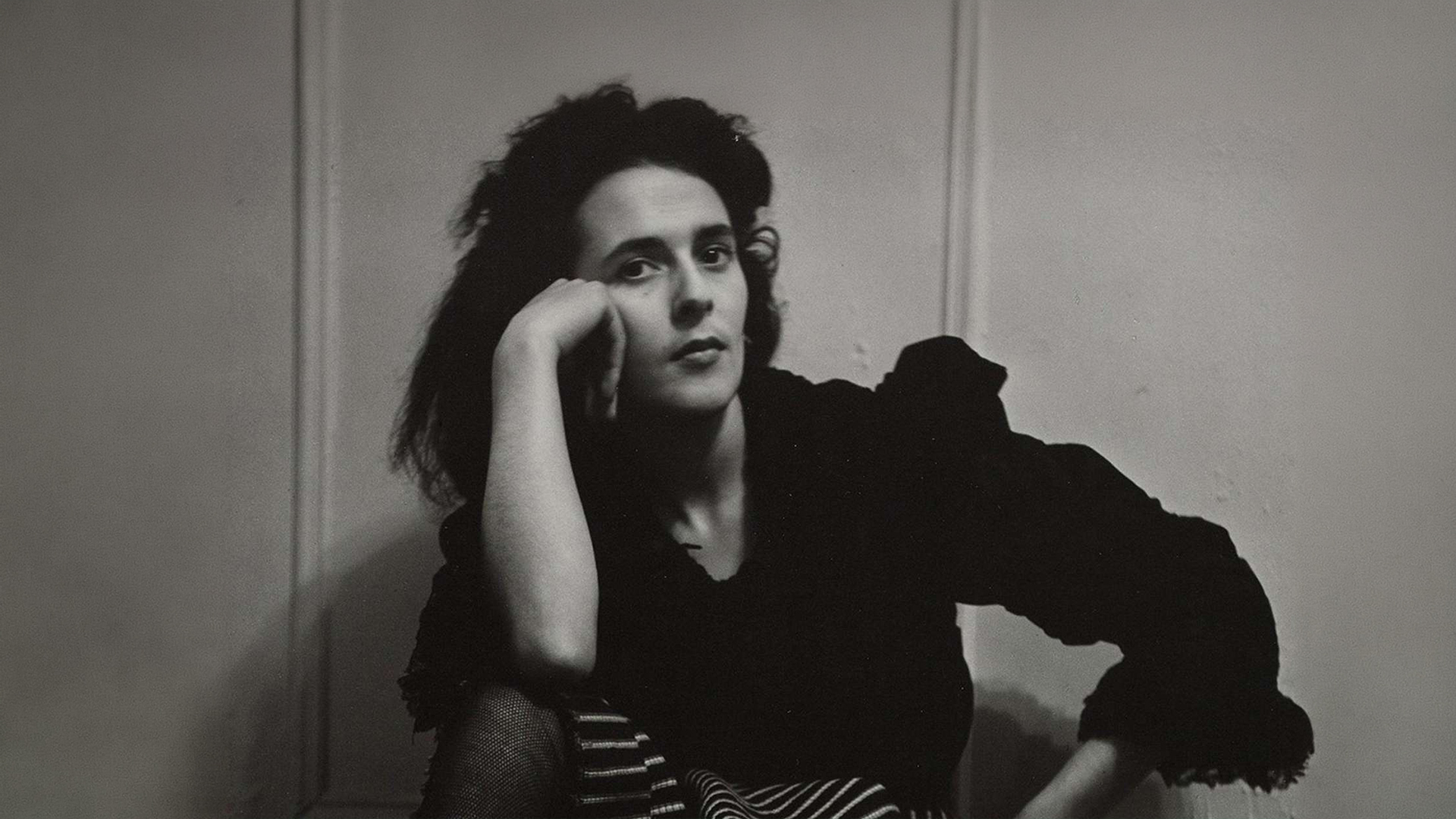
Some artists create worlds so distinct that stepping into them feels less like interpretation and more like trespassing. That’s the feeling surrounding Leonora Carrington in Surreal Spaces, the illustrated biography by Joanna Moorhead.

Rather than approaching Carrington’s life chronologically, Moorhead follows the places that shaped her imagination: Gothic mansions in England, war-shadowed France, crowded streets in Mexico City, and the strange in-between spaces where memory and myth begin to blur. The result feels less like a conventional biography and more like wandering through one of Carrington’s paintings.

Best known for her surrealist imagery filled with hybrid creatures, occult symbolism, and dreamlike interiors, Carrington lived a life that often sounded as improbable as her art. She fled England in the 1930s with Max Ernst, survived war and institutionalization, escaped across Europe during the rise of fascism, and eventually built a creative life in Mexico surrounded by artists, writers, and political exiles.
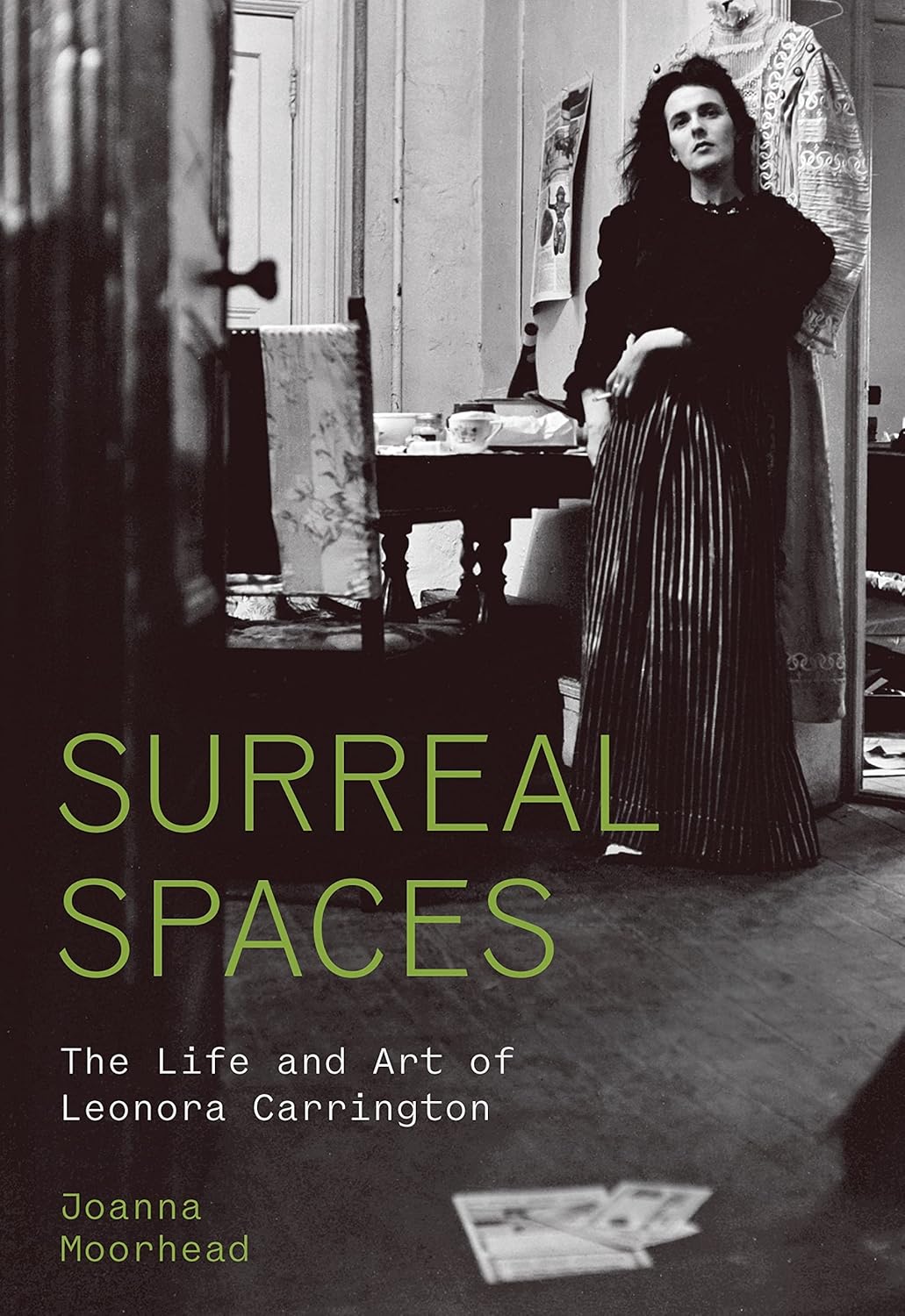
Step inside a surreal world on Amazon
Houses Filled with Memory

What makes Surreal Spaces especially compelling is its attention to atmosphere. Moorhead returns to Carrington’s homes decades later, tracing how rooms, landscapes, and objects resurfaced throughout her paintings and stories. Childhood spaces become haunted symbols. Kitchens turn alchemical. Hallways feel suspended between fantasy and memory.

The book also captures Carrington’s refusal to fit neatly inside the role often assigned to women within surrealism. She resisted becoming merely a muse or artistic companion, even while moving through circles filled with figures like Pablo Picasso, Luis Buñuel, and Frida Kahlo. Her work remained fiercely personal, strange, and difficult to categorize.

The Shape of a Surreal Life

There’s something fitting about experiencing Carrington through spaces rather than timelines. Her art rarely behaves logically; it drifts, transforms, and circles back on itself. Moorhead understands that instinctively, allowing places to carry emotional weight in the same way symbols do within dreams.

By the final chapters, Surreal Spaces becomes more than an account of Carrington’s life. It turns into a meditation on memory itself—how certain rooms, cities, and landscapes continue living inside us long after we leave them behind.

Scroll