A Life Drawn in 10,000 Ink Stains
Lila Monroe

10,000 Ink Stains, the memoir by Jeff Lemire, leans fully into the idea that creative lives rarely move in straight lines. Part reflection, part process journal, the book traces over two decades of work from one of the most distinctive voices in modern comics.

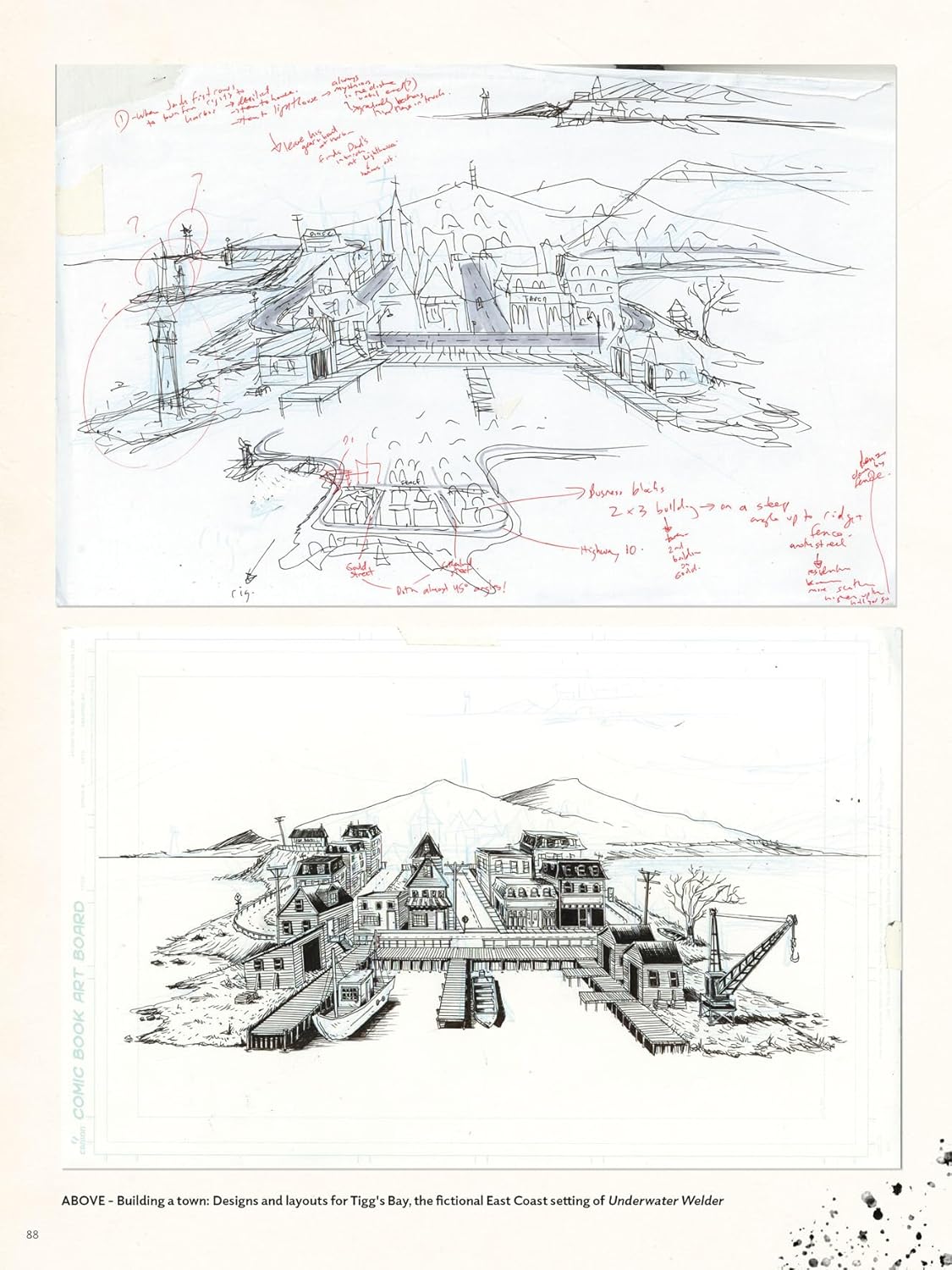
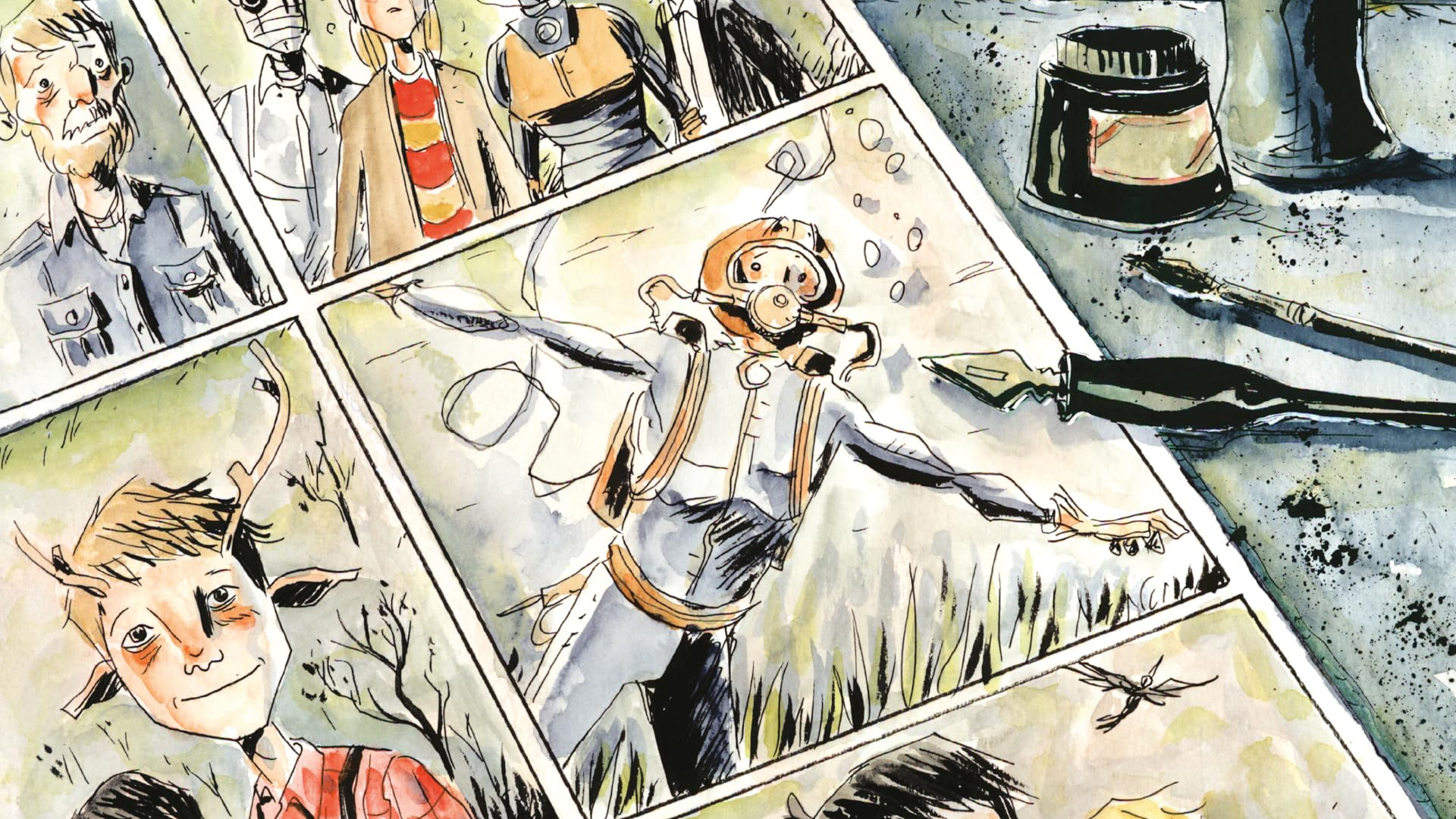
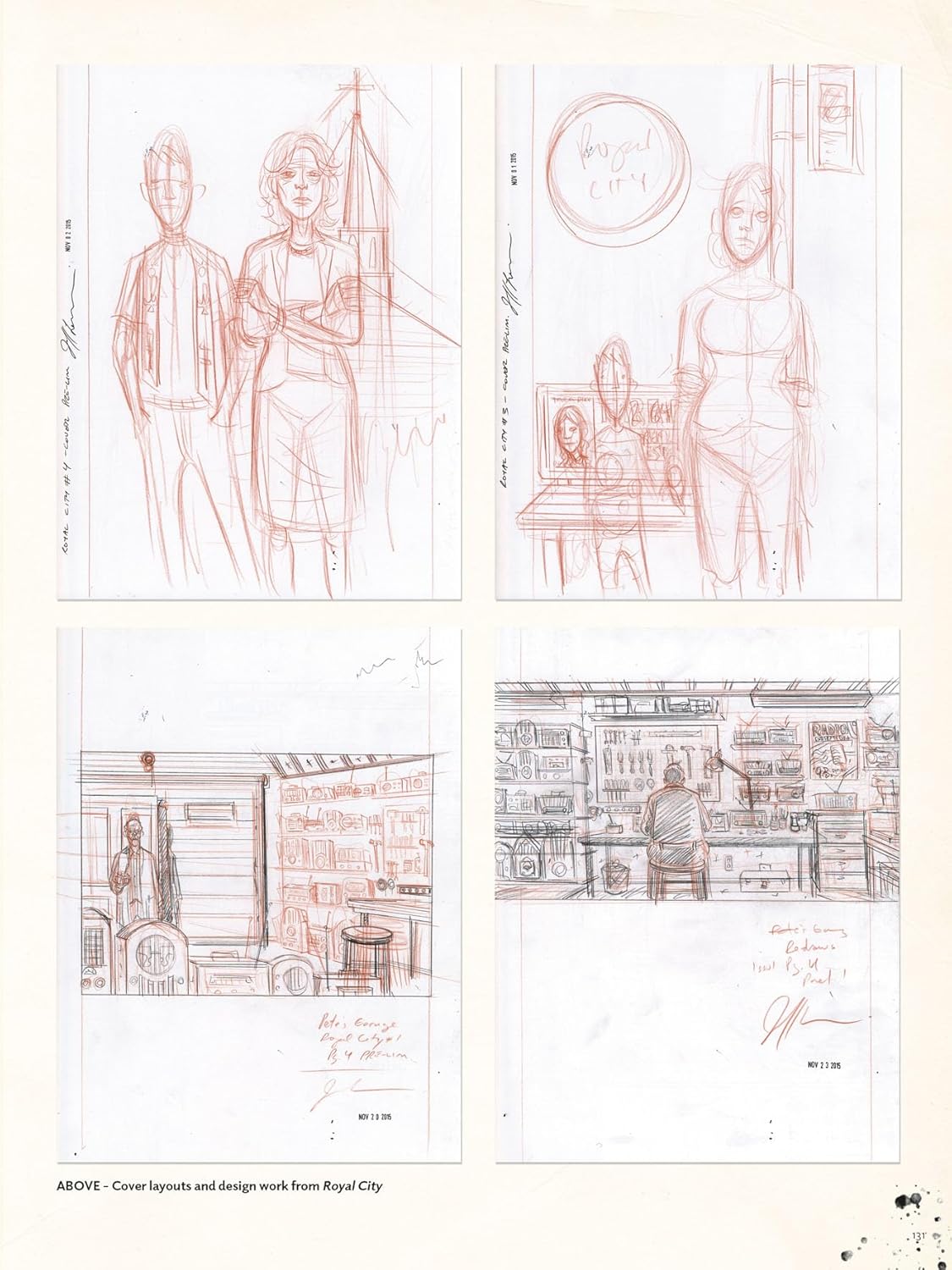
Best known for titles like Essex County and Sweet Tooth, the Canadian creator has always balanced the deeply personal with the quietly surreal. Here, he steps out from behind the page to explore where those instincts come from. The result isn’t a traditional graphic novel, but a prose-driven memoir layered with sketches, drafts, and artwork—fragments that feel as important as the finished pieces.
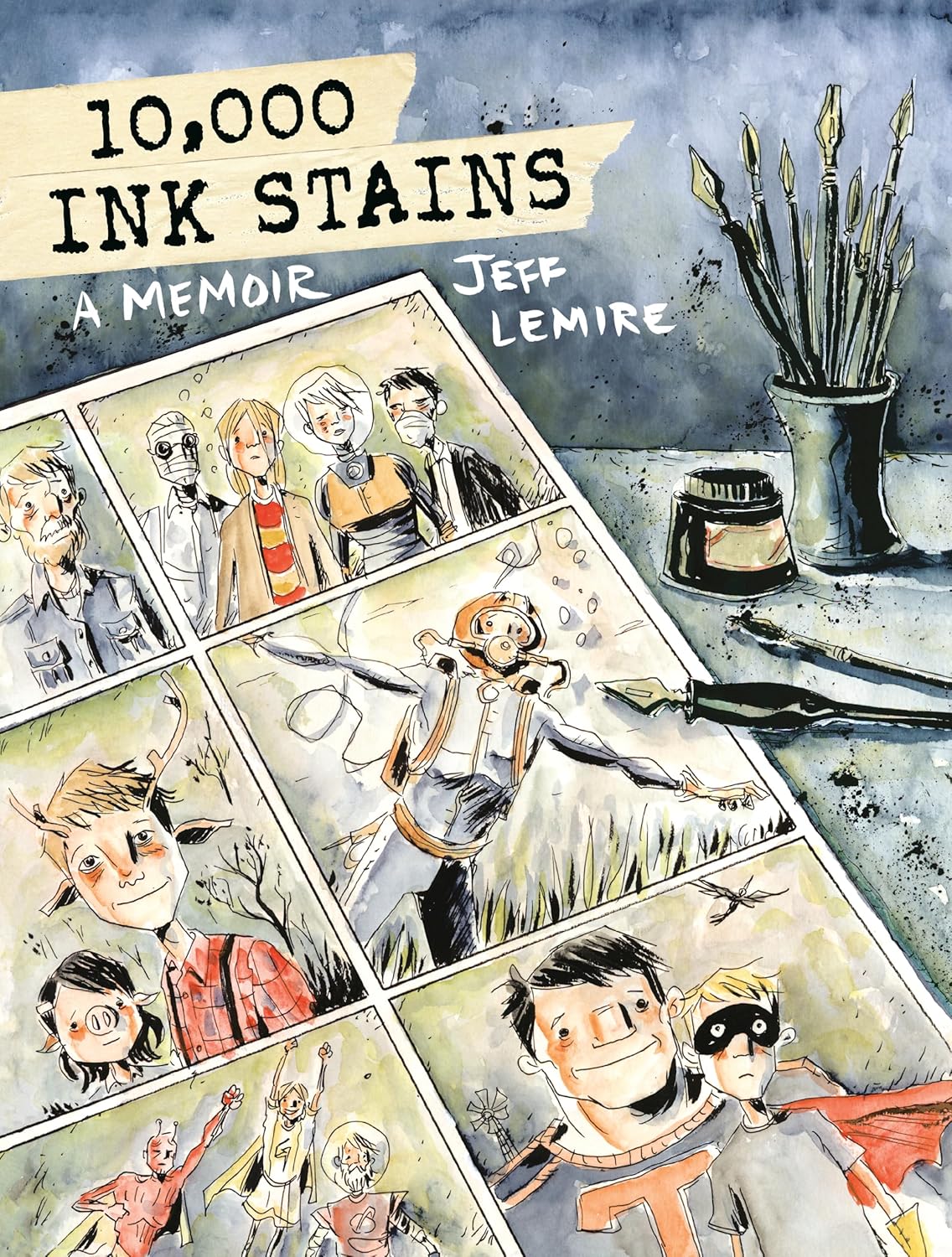
Discover a life shaped by ink on Amazon
The Work Behind the Work

What makes 10,000 Ink Stains especially compelling is its honesty. Lemire doesn’t frame his career as a steady rise. Instead, he focuses on the uncertainty—the early years of self-publishing, the struggle to find stability, and the emotional toll that often comes with trying to build a creative life. There’s a refreshing openness in how he talks about mental health, burnout, and the myth of the “starving artist.”

The book moves chronologically, but it never feels rigid. Each chapter circles around a project, unpacking the decisions, doubts, and small moments that shaped it. From lesser-known works to widely recognized series, Lemire treats every step as part of a larger process rather than a series of isolated successes.

Still Becoming

There’s also something quietly reassuring in the way he describes his craft. His art style—often described as raw or imperfect—is something he fully embraces. Instead of chasing a polished ideal, he focuses on honesty, allowing the work to reflect who he is rather than what others might expect.

By the final chapters, the perspective shifts. Lemire reflects not just on where he’s been, but on where he’s going—returning to drawing, exploring new mediums, and continuing to challenge himself creatively. It gives the memoir a sense of momentum, as if the story is still unfolding.

For anyone interested in the reality behind creative work, this isn’t just a look back.

It’s a reminder that the process—the false starts, the doubts, the persistence—is the work itself.

Scroll