Altered States: Where the Mind Begins to Shift
Lila Monroe
Written by Lila Monroe in From the Shelf Book Review Filmmaking

Altered States: Where the Mind Begins to Shift

The idea that the mind has limits is comforting. It suggests structure, stability, and a sense of self that holds together no matter what. However, Altered States slowly begins to unravel that assumption. In the hands of Paddy Chayefsky, consciousness becomes far less predictable. It can stretch, fracture, and slip into places we do not fully understand.

Pushing the Mind Beyond Itself

The story follows a scientist obsessed with pushing the limits of human perception. Through sensory deprivation and hallucinogenic experiments, he begins to regress, not just psychologically, but physically. As a result, the boundaries between mind and body start to dissolve. Memory becomes something tangible. Evolution begins to feel reversible.

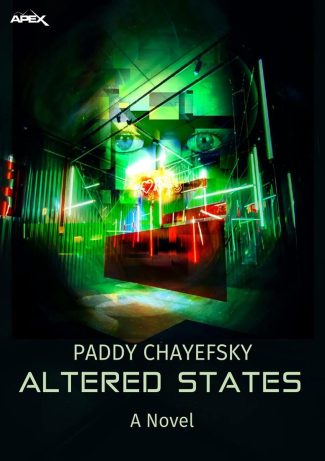
Reading Altered States feels like drifting between logic and dream. On one hand, Chayefsky writes with the precision of someone deeply interested in science. On the other, he follows ideas into strange and unsettling territory. Because of this, the narrative resists comfort. It does not explain itself fully. Instead, it unfolds like an experience.
Click to enter the altered state
From Page to Image

What makes this story even more compelling is how it moves beyond the page. Soon after the novel’s release, it was adapted into film by Ken Russell, with Chayefsky himself writing the screenplay. This is a rare case of a writer translating his own work across mediums. In doing so, he confronts the limits of each.

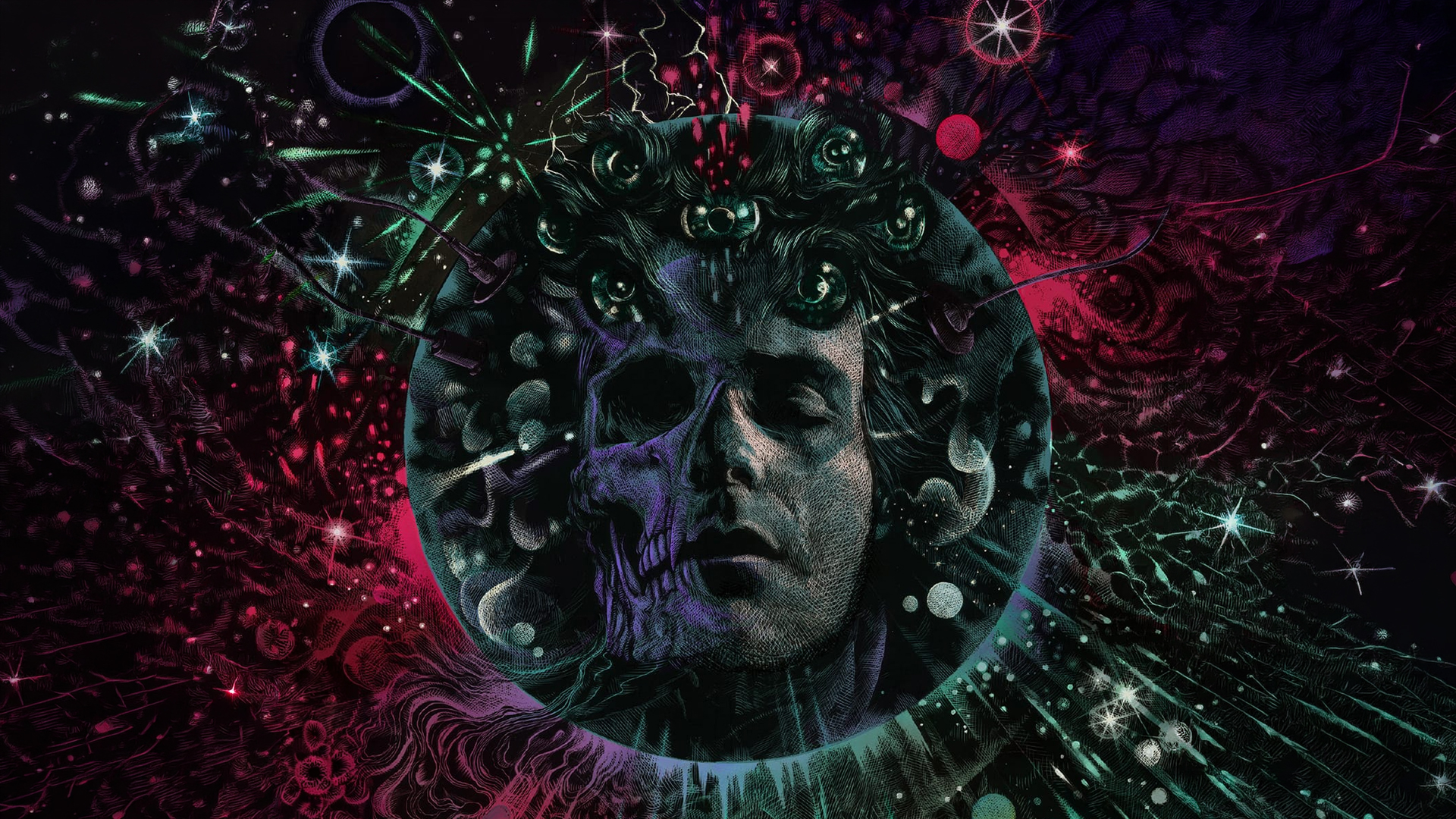
While the book is internal and almost philosophical, the film becomes something else entirely. Russell turns abstract thought into overwhelming imagery. Hallucinations are no longer described; they are seen. As a result, the body becomes a visual language, shifting and reforming in ways that feel closer to sensation than storytelling.

And maybe that is the point. Some ideas cannot stay contained within words.

A Story That Keeps Changing Shape

Recently, the film found new life through a 4K restoration by The Criterion Collection. This version brings its dense, hypnotic visuals back into sharp focus. Watching it now feels less like revisiting a film and more like encountering it again for the first time. The textures are clearer. The images feel more immediate. The experience becomes more immersive.

Because of this, the story feels alive again. It is a reminder that stories do not always stay still. They shift, just like the minds they explore.

What begins as a novel about consciousness becomes a film about perception. Eventually, it turns into an experience shaped by the present moment. Each version reveals something slightly different. Not because the story has changed, but because we have.

There is something quietly unsettling about that idea.

A story about losing control of the self continues to evolve long after it has been told.

Perception itself is never fixed.

Somewhere between image, memory, and sensation, we are still trying to understand what it means to be fully human.

Scroll