Within the Frame: The Constructed Worlds of Szilveszter Makó
Zoë Marin
Written by Zoë Marin in Beyond the Frame Art & Design Creative Photography

Within the Frame: The Constructed Worlds of Szilveszter Makó

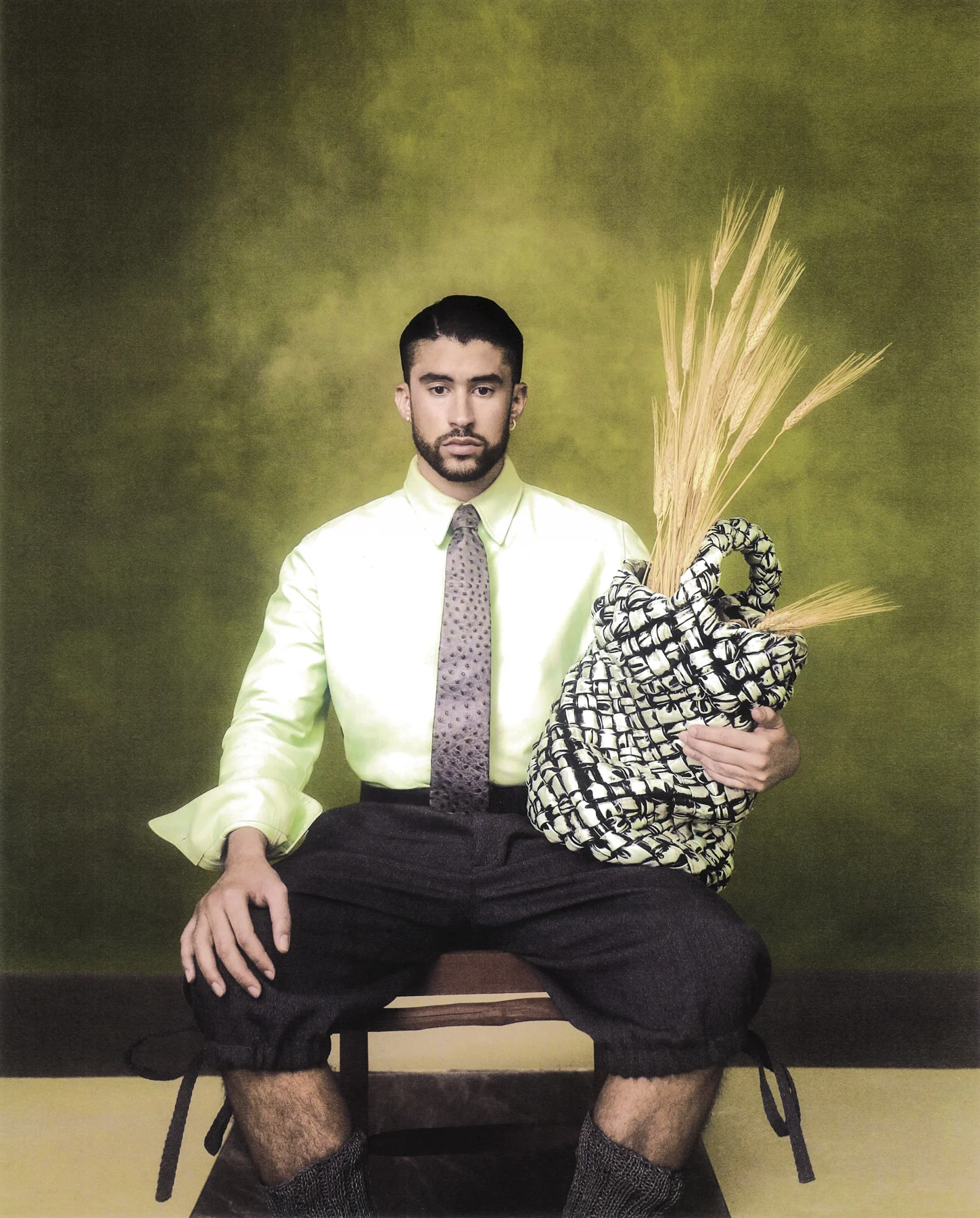
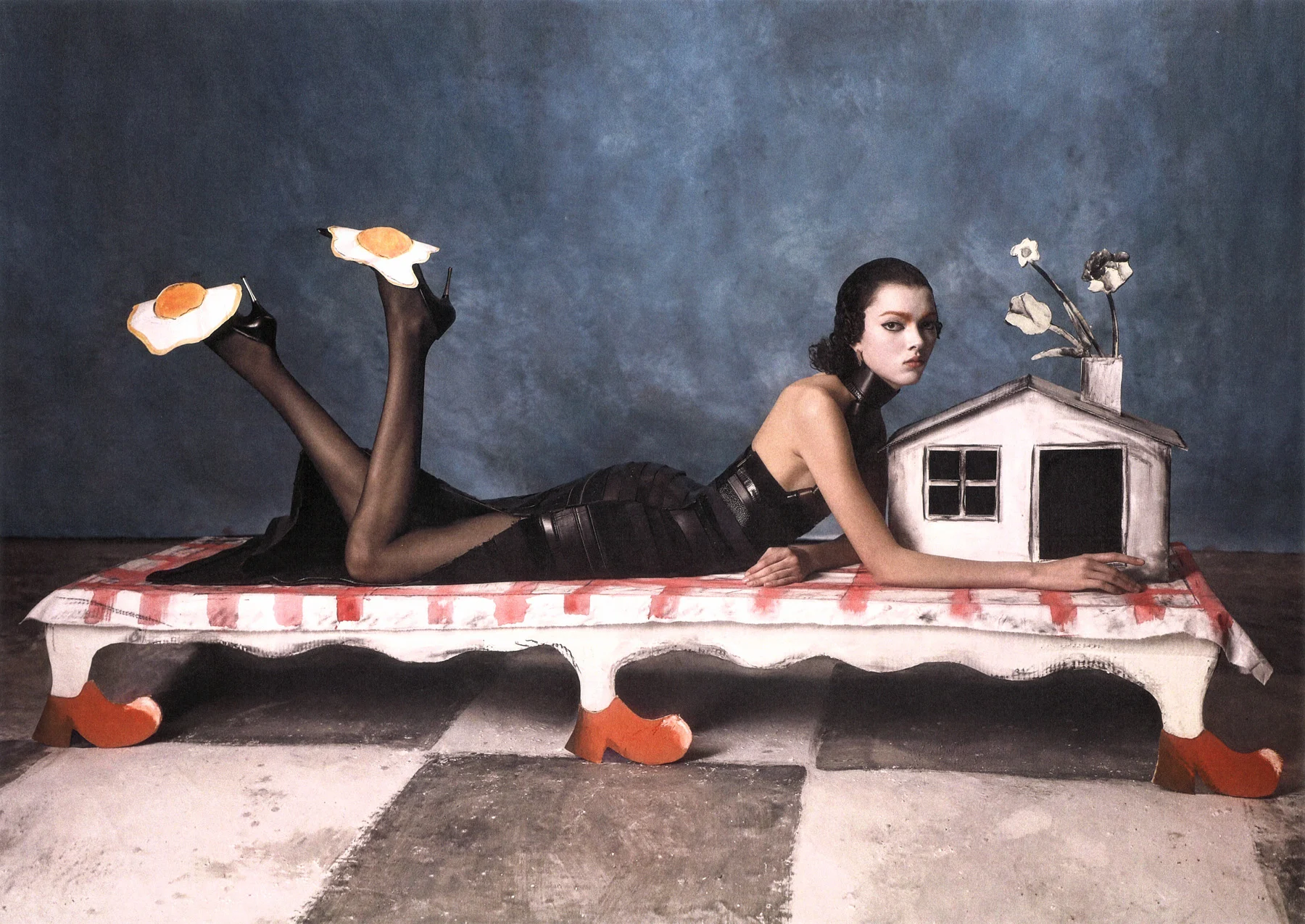
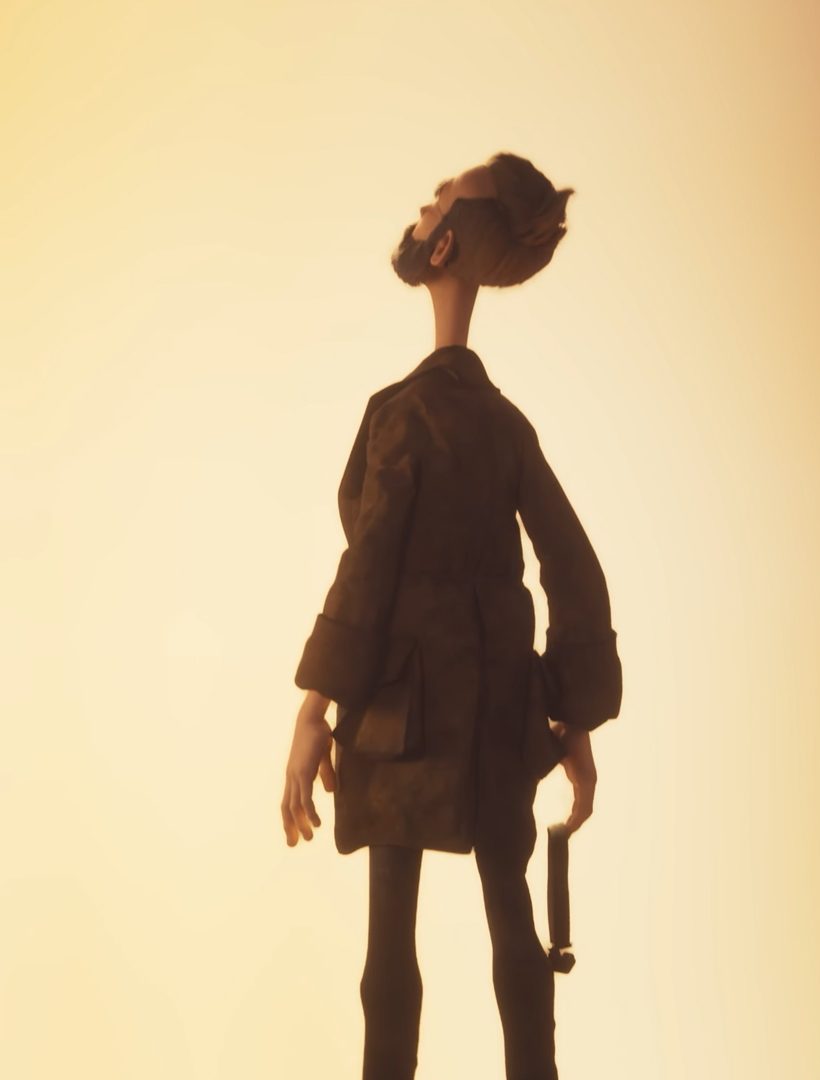
Szilveszter Makó’s photography unfolds like staged reveries — enigmatic, tactile, and meticulously composed. Born in Hungary and now based in Milan, he has developed a visual language that feels both grounded in art history and unmistakably contemporary. His subjects often appear within block-like environments or against flattened fields of color and texture, where garments, props, and architectural elements converge into scenes that suggest narrative without ever fully resolving it.

There is a quiet tension in these images. Composition is precise, almost architectural, yet the atmosphere remains open, allowing interpretation to drift rather than settle. Figures seem suspended within their environments, neither fully contained nor entirely free, as if the frame itself is holding a question rather than offering an answer.

A Painterly Approach to Photography

Makó’s background as a painter continues to shape his photographic approach. Light and shadow are treated not just as technical tools, but as expressive forces. His use of chiaroscuro recalls the dramatic illumination of Baroque painting, while his muted, earth-toned palettes anchor even the most surreal compositions in something tactile and grounded.

The result is imagery that feels suspended between centuries — contemporary in execution, yet deeply connected to historical ways of seeing.

Surrealism and the Shape of Space

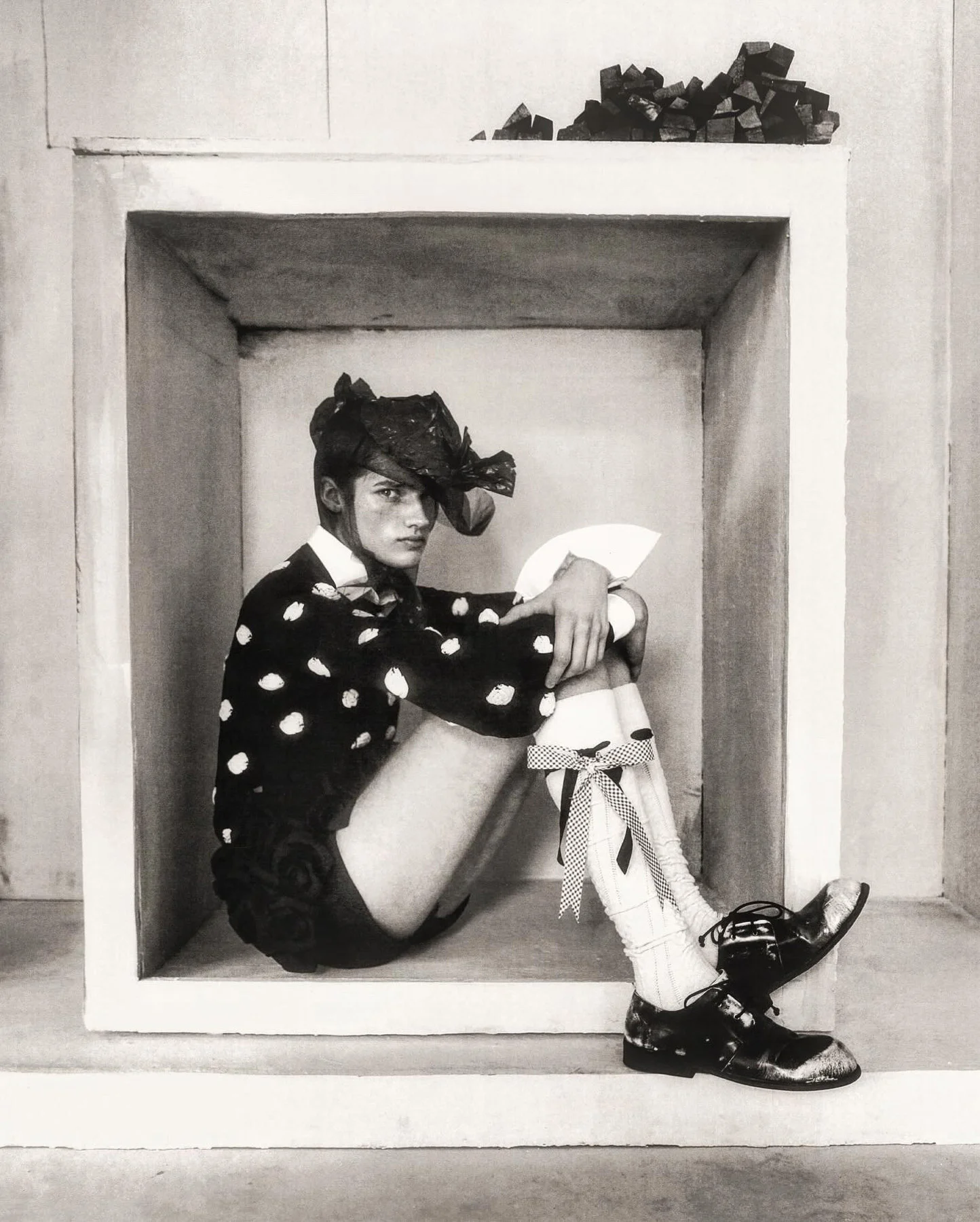
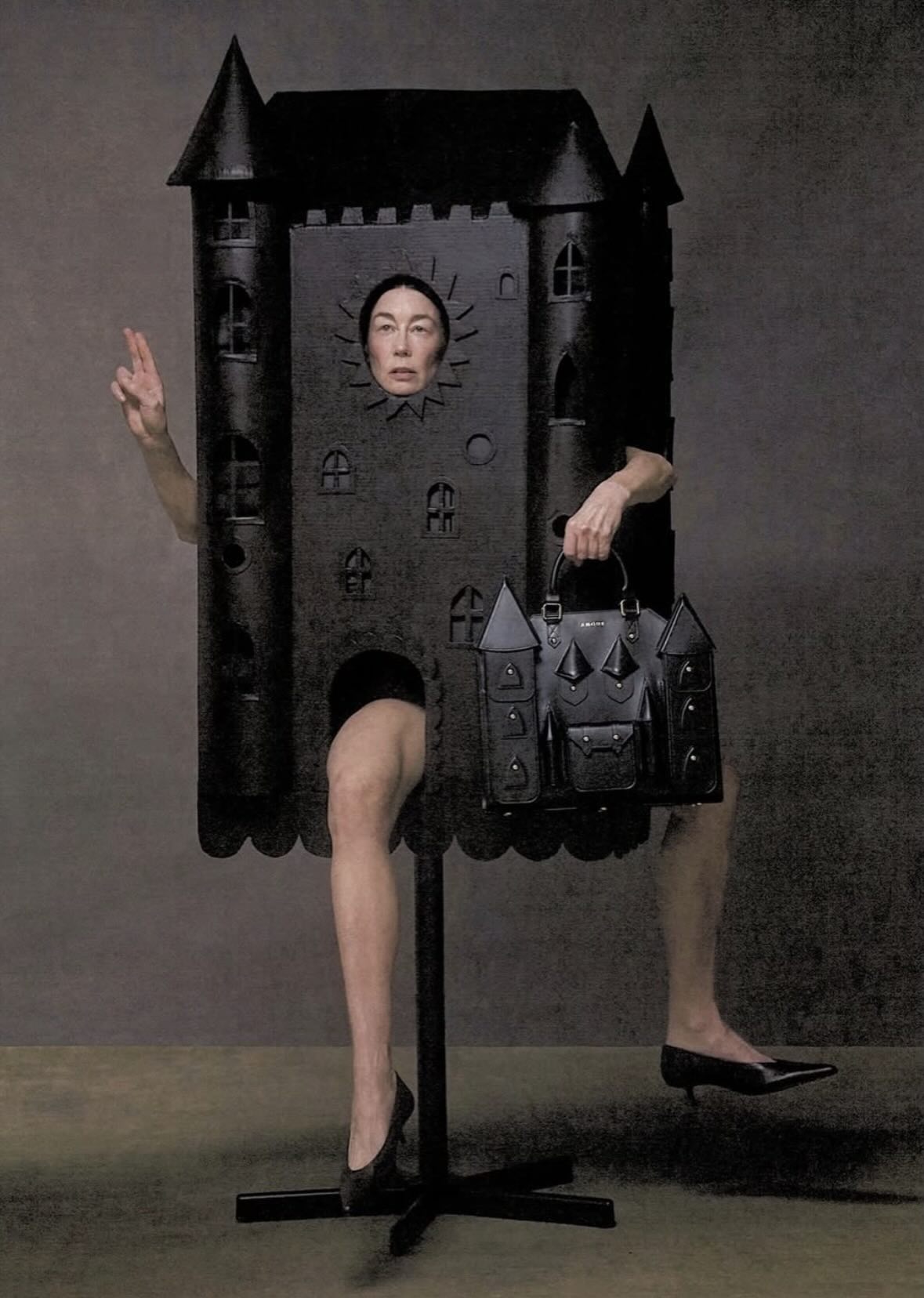
Surrealist influence runs through his work, though never as surface reference. Instead, it operates structurally. Space is flattened, perspective dissolves, and familiar environments take on an uncanny charge. Subjects stand within cubic chambers or against saturated backdrops that resemble theatrical stages more than real locations.

Identity and setting begin to merge, coexisting within a carefully constructed visual logic that feels closer to dream than documentation.

Light, Process, and Tactility

Light plays a crucial role in reinforcing this sensibility. Subtle grain and halation around highlights introduce an analog tactility that resists the polished clarity of digital imagery. Makó has alluded to an unorthodox process rooted in the history of photography — one that suggests chemical reactions and older techniques rather than contemporary shortcuts.

These details are never fully explained, and that ambiguity becomes part of the work’s quiet intrigue.

The Box: Between Restriction and Freedom

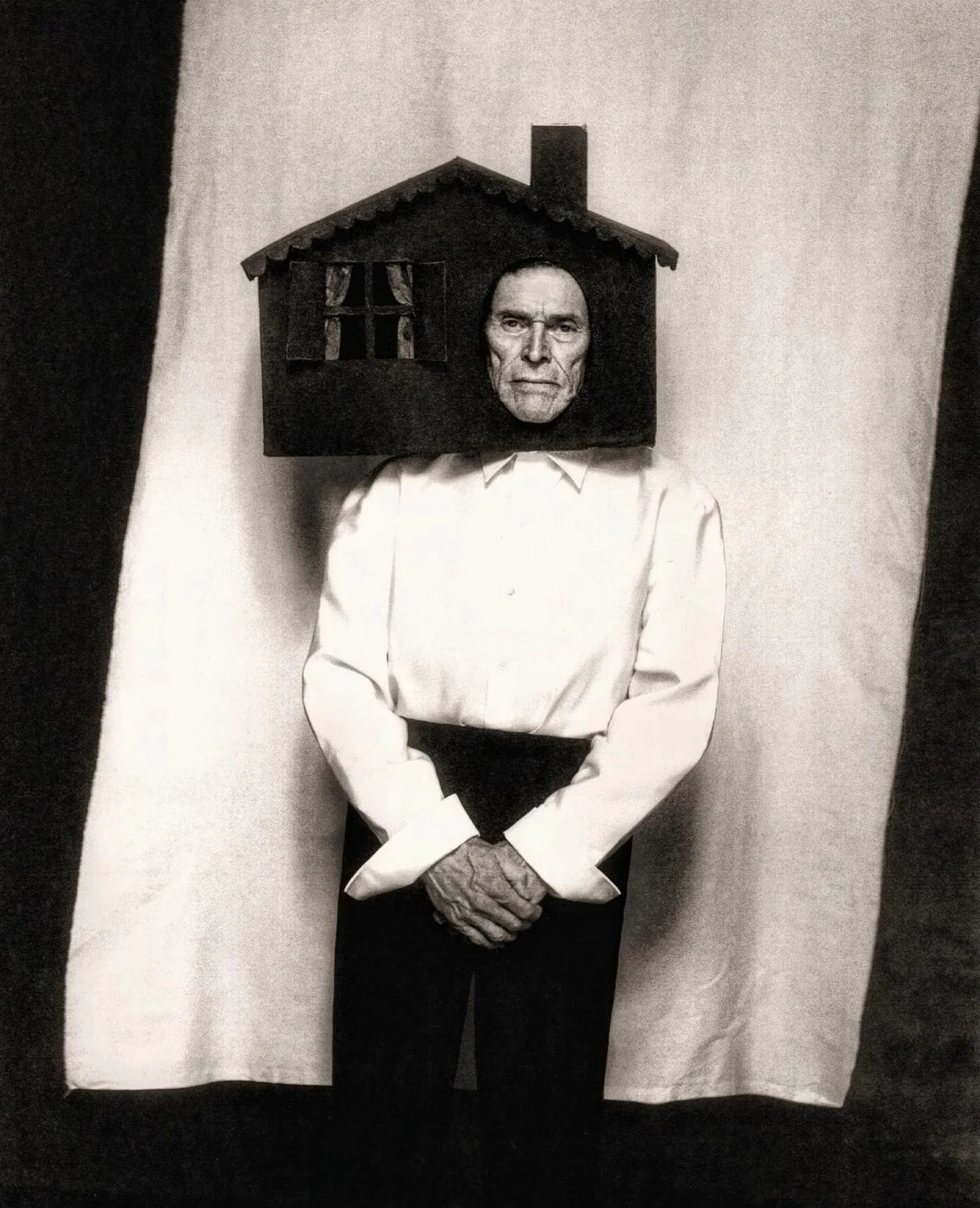
Across his images, one motif returns with particular insistence: the box. Sometimes it appears as a literal enclosure, sometimes as a pattern, a headpiece, or a compositional frame. Its geometry is both restrictive and clarifying.

By containing the subject, it intensifies presence, focusing attention and preventing the image from dispersing. At the same time, that very containment allows gestures, textures, and expressions to resonate more fully within the space.

Collaboration and Constructed Worlds

Makó’s process reflects a balance between structure and openness. His studio operates less like a traditional photographic set and more like a workshop, where handmade props, sculptural garments, and recycled materials accumulate before finding their place within the frame.

Preparation is essential, but so is unpredictability. What begins as a carefully planned composition often evolves through collaboration, allowing the final image to retain a sense of movement and discovery.

This approach extends to his work with both fashion houses and public figures. Whether working with experimental designers or globally recognized personalities, Makó treats each subject as part of a larger visual system. The image takes precedence over identity, dissolving hierarchy and allowing even familiar faces to feel reimagined.

What ultimately defines Szilveszter Makó’s photography is this balance between control and release. His images are structured, but never rigid; deliberate, yet open to transformation. They invite attention rather than demand it, offering layers that reveal themselves slowly through texture, light, and form.

For those drawn to photography that feels both tactile and theatrical, his work offers a compelling space to explore. You can follow his latest projects and evolving visual worlds by visiting his Instagram.

All images by Szilveszter Makó.

Scroll