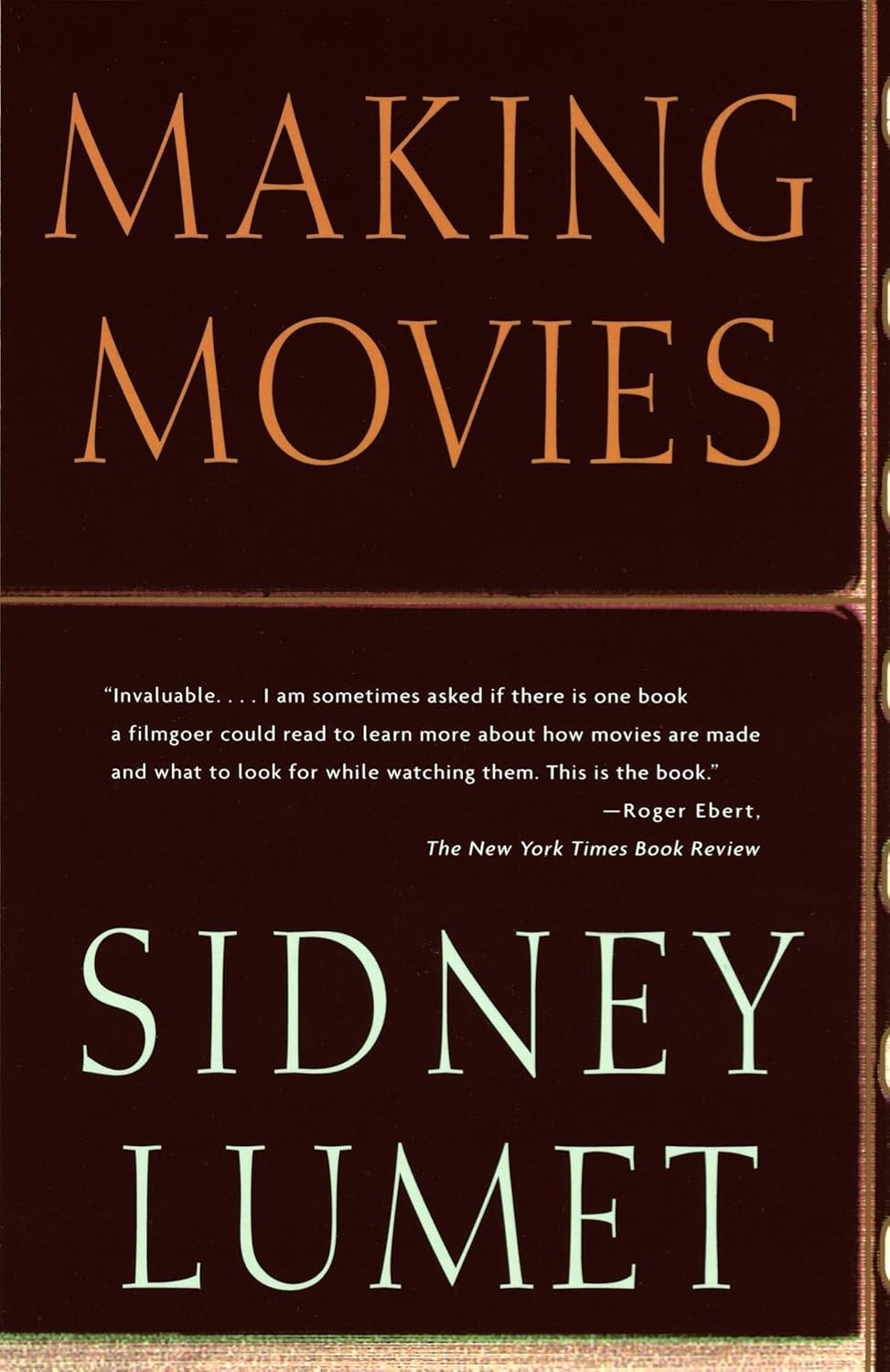

There are books about cinema, and then there are books that quietly pull back the curtain. Making Movies, written by legendary director Sidney Lumet, belongs firmly in the second category. Published in the mid-1990s, it reads less like a memoir and more like an invitation onto the set — where the real work of filmmaking unfolds in dozens of small, deliberate decisions.
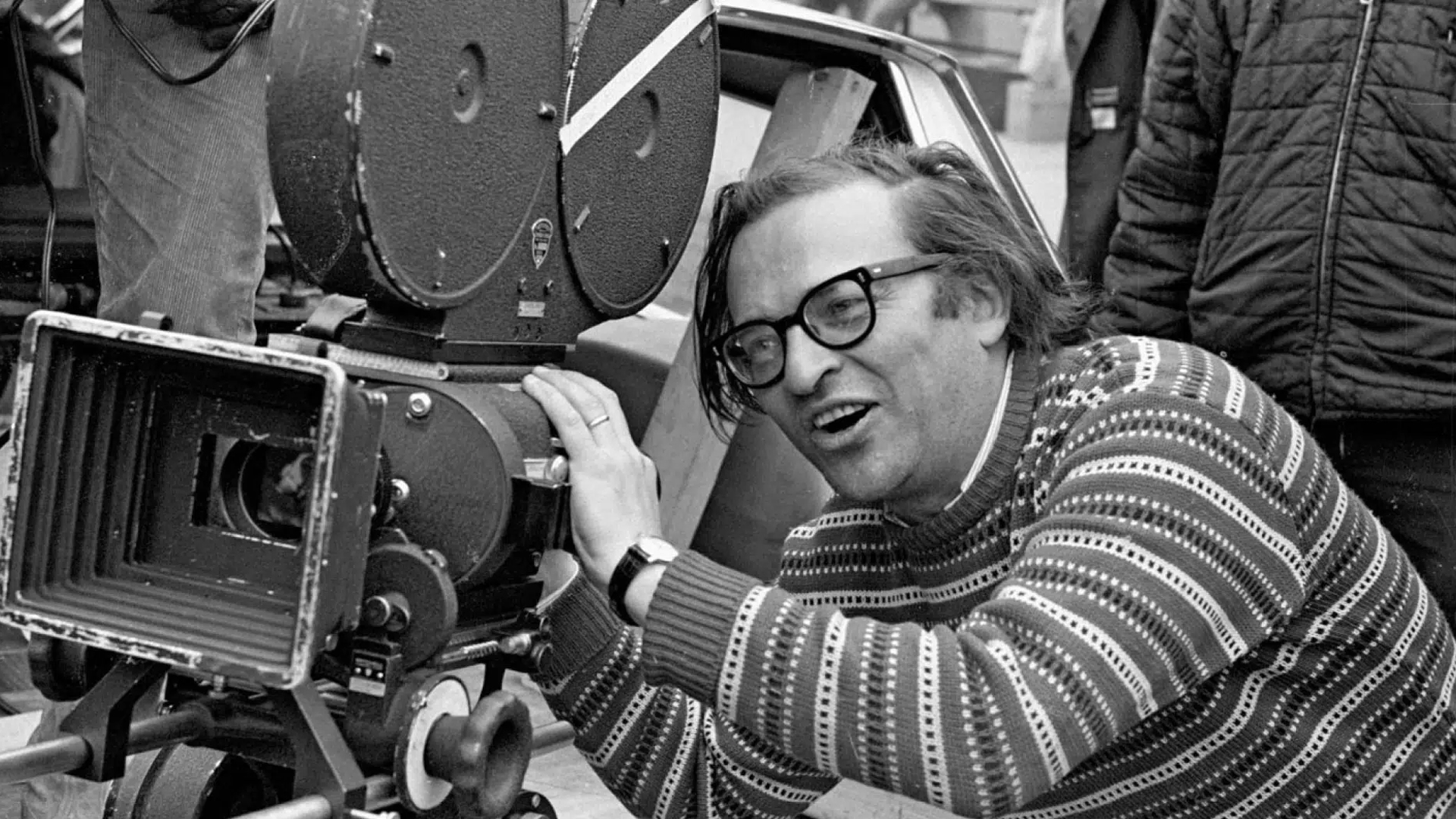
Lumet was not a theoretical filmmaker. He was a working one. Across decades he directed an astonishing range of films, from the courtroom intensity of 12 Angry Men to the electric satire of Network, the urban tension of Dog Day Afternoon, and the elegant mystery of Murder on the Orient Express. Rather than recounting stories of fame or celebrity, Lumet focuses on something far more interesting: the craft behind the illusion.
The structure of the book mirrors the filmmaking process itself. Lumet walks readers through the entire journey — from choosing a screenplay to rehearsals, shooting, editing, and the nerve-wracking moment of preview screenings. Each stage reveals filmmaking as a strange mixture of artistry, logistics, and controlled chaos. Hundreds of people, trucks full of equipment, and weeks of planning all converge in the fragile hope of producing two hours of cinematic magic.
What makes Making Movies especially engaging is Lumet’s voice. Clear, candid, and often quietly funny, he explains technical choices with remarkable accessibility. A discussion about camera lenses suddenly becomes a lesson in storytelling. An anecdote about watching daily footage transforms into a reflection on collaboration. Lumet saw filmmaking as a collective act — what he once described as “a group of people painting with light.”