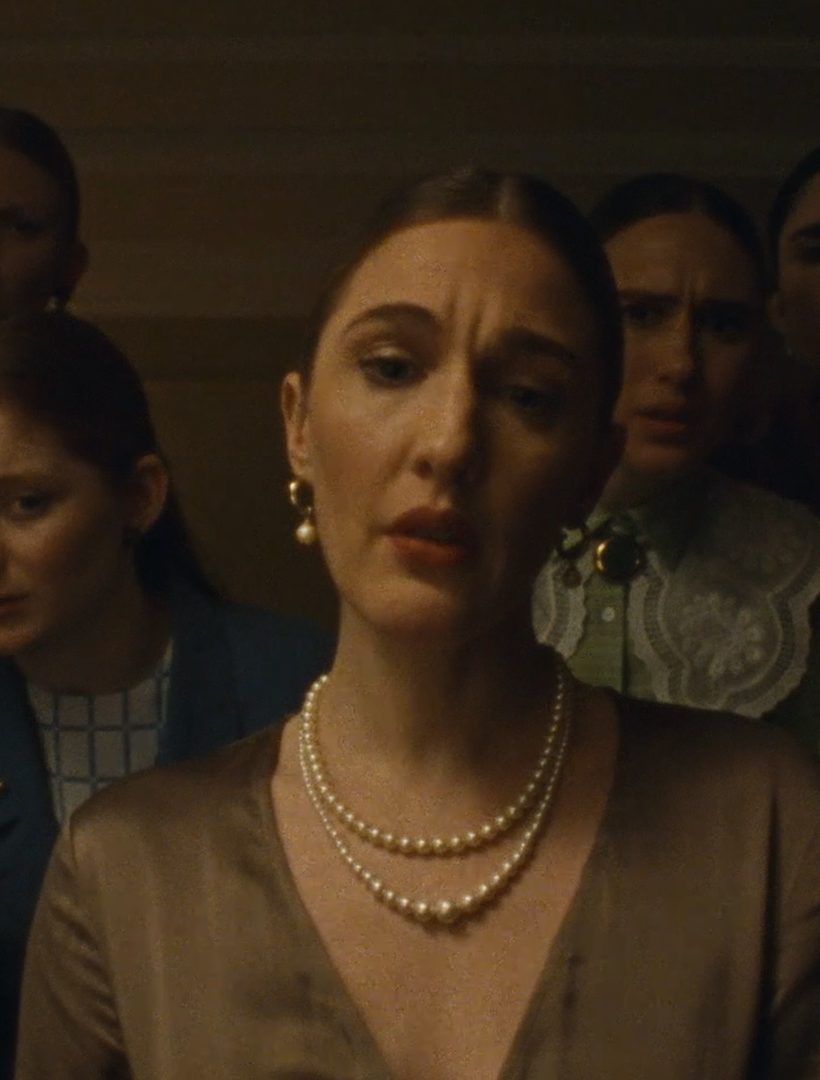

Burnt Grass is a quietly unsettling slice of science fiction that starts with a strange backyard discovery and quickly spirals into something much larger — not through spectacle, but through the emotional strains it places on its characters. Written and directed by Ray Wong, the Canadian short makes the most of an eerily simple premise: what would happen if the ordinary became extraordinarily dangerous?
The film follows a young couple, Sally and Jack, who uncover a mysterious patch of scorched earth in their yard. Anything organic that touches it is instantly duplicated — animals, plants, and eventually, Sally herself. What begins as a bizarre twist on cloning becomes a psychological exploration of desire, identity, and the unexpected consequences of having “more” than you bargained for.
On its surface, Burnt Grass feels like low-fi sci-fi — it shuns flashy effects in favor of character and story. Low budget constraints pushed Wong to focus on narrative essentials, stripping the genre down to its core idea and using techniques like split screen and body doubles to suggest duplication without overwhelming the viewer with digital trickery. This intentional simplicity invites the audience to engage with the film on a deeper level, letting us ponder the premise long after the credits roll.
But it’s not just about the mechanics of cloning. The heart of Burnt Grass lies in how the characters respond to their predicament. Sally’s curiosity and Jack’s growing unease reflect human reactions to the unknown — the thrill of possibility colliding with fear of loss. When Sally duplicates herself, the situation becomes increasingly ambiguous: Who is the “real” Sally? Should she have been duplicated at all? Burnt Grass never delivers easy answers, but its emotional core is magnetic precisely because it invites those questions.
Critics and audiences alike have noted that the film’s power comes from its ability to make us think — not just about cloning or science fiction tropes, but about identity, relationships, and how quickly a strange miracle can become a source of conflict. By focusing on performance and character over effects, Wong crafts a story that feels intimate and universal at once.
Burnt Grass may be a short, but its lingering questions make it feel much larger — a thoughtful reminder that what we imagine might enrich our lives can often complicate them instead.