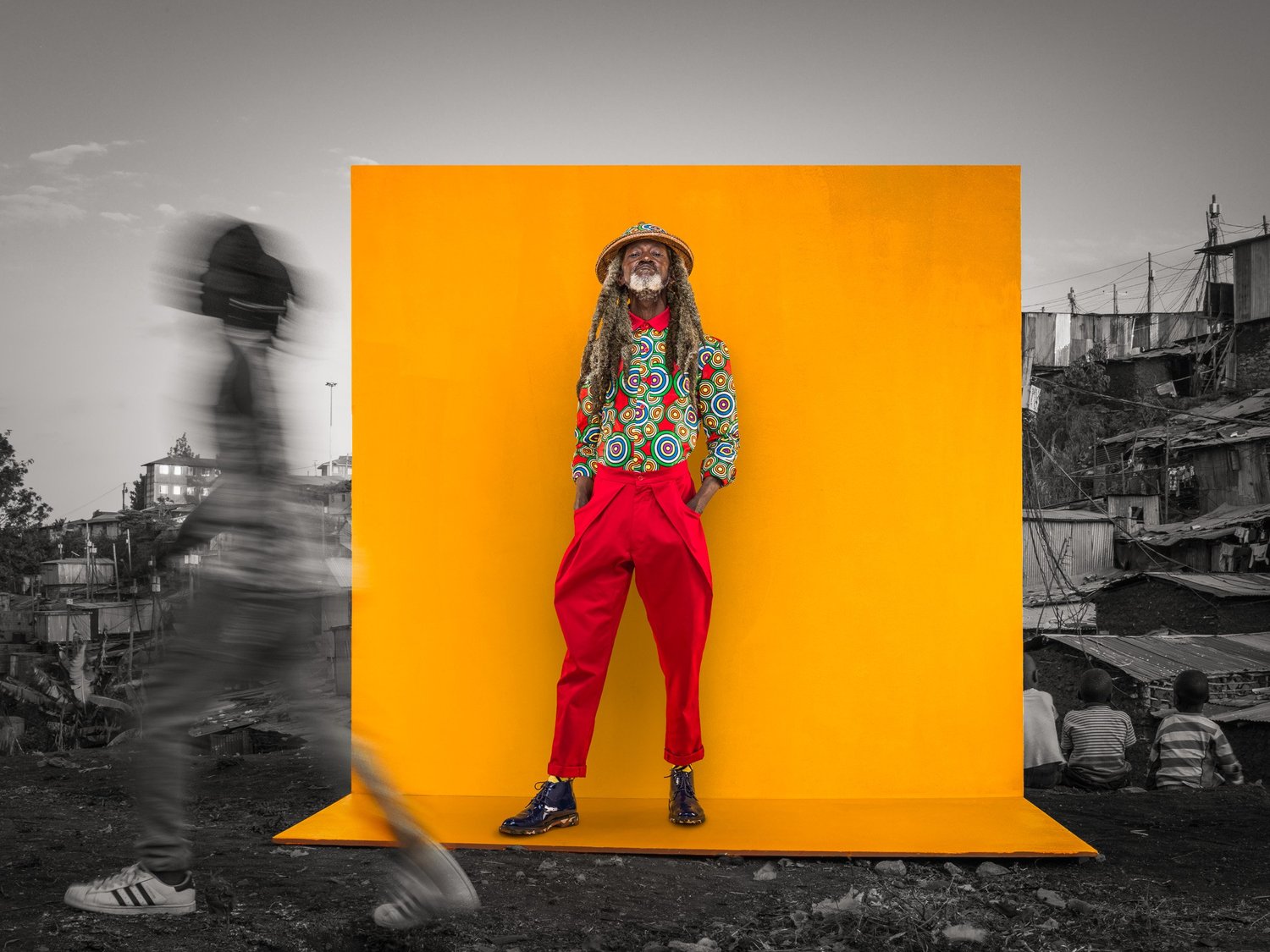
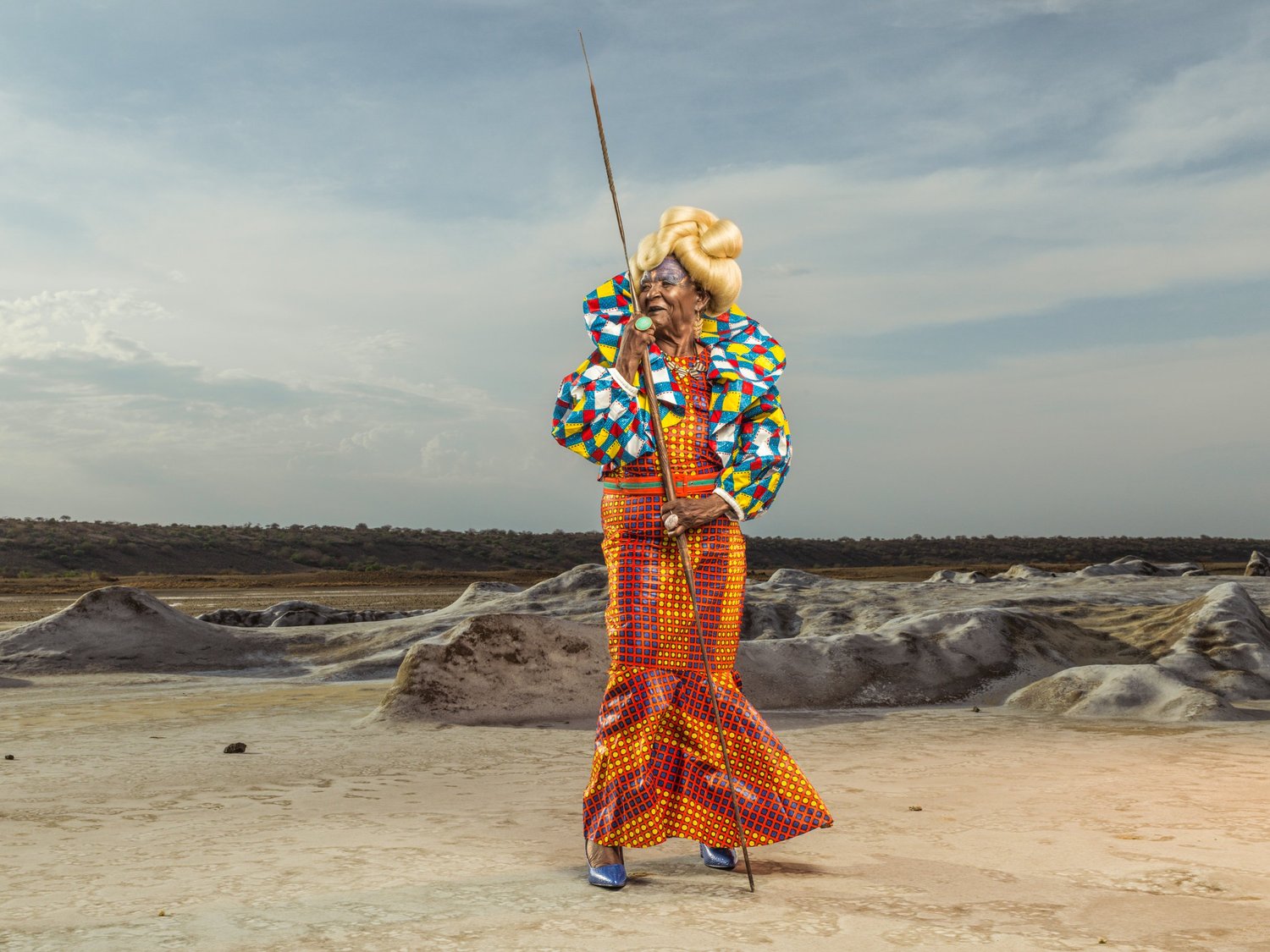
In the photographic universe of Osborne Macharia, identity is no fixed destination — it’s a constellation of cultures, stories, and speculative possibility. Macharia’s images do not simply capture what is; they invent what could be. Drawing from history, tradition, and imagination, he creates visual narratives that feel cinematic, mythic, and deeply human all at once.


Written by
Zoë Marin
in
Beyond the Frame
Art & Design
Creative
Photography
Parallel Worlds: The Afrofuturist Tapestries of Osborne Macharia
Macharia is a Vancouver-based Kenyan-Canadian photographic artist whose work sits at the heart of Afrofuturism — a creative expression that reimagines the post-colonial African narrative by weaving together historical elements, present culture, and future aspirations. His practice is rooted in cultural heritage and redemption stories, using narrative, fantasy and fiction as tools to imagine new realities that resist stereotypes and conventional representations.
What makes Macharia’s work feel alive is its blend of the familiar and the fantastical. Across his series, traditional motifs and customs are recontextualized within alternate timelines, vibrant tableaux, and imagined communities. His lens is both poetic and political, showing that art can be a space to rethink history while uplifting voices that have been marginalized or overlooked.
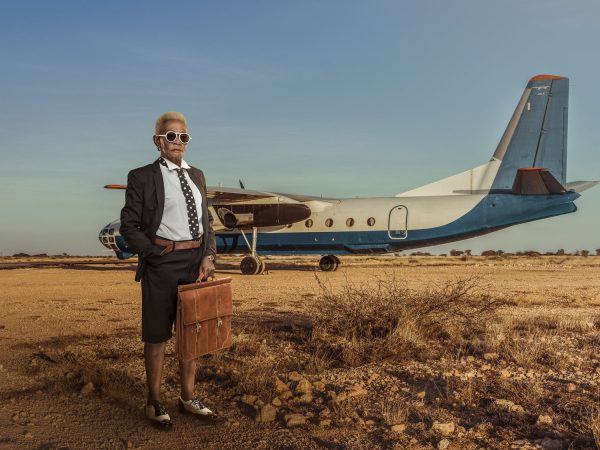
Take Magadi and Nyanye, two of the central series from his Stories of the Future Past body of work. In Nyanye — a term that playfully reclaims a Swahili slang for “an old woman” — elders are staged with striking confidence and couture poise, challenging societal expectations of age and visibility. These aren’t passive figures; they are protagonists in their own future narratives, full of style, swagger, and reclaimed agency.
Similarly, Magadi transforms its imagined protagonists into agents of renewal and solidarity. In the arid landscapes of Kenya’s Magadi region, retired female circumcisers become ethical fashion collective members who guide young girls escaping early marriage. Through these imagined characters, Macharia explores themes of liberation, mentorship, and resilience — all wrapped in bold colourways and surreal backdrops that feel both rooted and otherworldly.
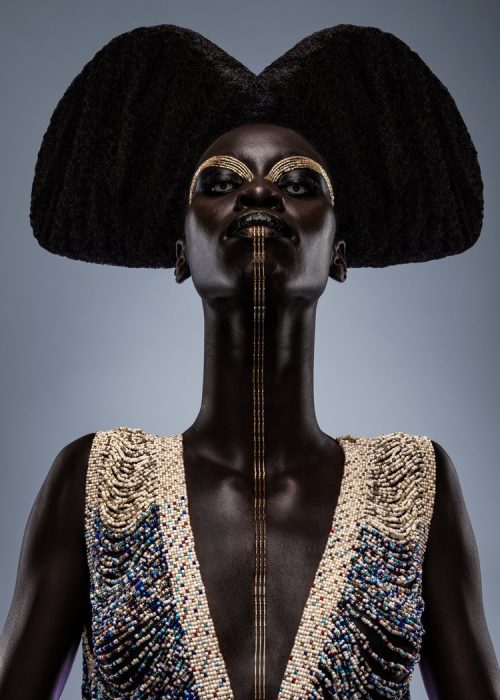
His more recent Daughters of the Rift series takes this narrative worldbuilding into the geological and cultural terrains of East Africa. Inspired by the Great Rift Valley’s dramatic natural formations, Macharia’s portraits honour the richness of communities living within these landscapes. Here, intricate beading and expressive adornment speak not only to regional identity, but also to a broader sense of belonging and beauty that transcends borders.
What you notice first in Macharia’s photographs is the colour — saturated yet intentional, like a memory that has been dialed up just enough for you to feel it. But colour is just the beginning. His compositions operate like stories in pause: a glance that feels like a beginning, a middle, and perhaps even an unseen ending. Characters gaze out with quiet confidence, their costumes and gestures hinting at their inner lives. The spaces they inhabit feel simultaneously familiar and entirely invented, as if borrowed from collective dreams of what could be.
At the heart of this work is a reconceptualization of African narratives. Rather than leaning into stereotypes or reductive portrayals of his homeland, Macharia navigates opposite terrain: he honours complexity, heritage, and transformation through the language of image. His photography doesn’t just represent culture — it reimagines it, using speculative worlds to reflect the richness of real lives and histories.
Encounters with Macharia’s work ask something of you: to look longer, to question what stories we inherit, and to wonder what stories we might make. In each fantastical tableau, there is an invitation not merely to see — but to imagine.
If his visionary worlds spark your curiosity, there’s much more waiting to be explored. Visit macharia.studio and let his ongoing narrative unfold in full — a rich tapestry of culture, colour and future-shaped stories.