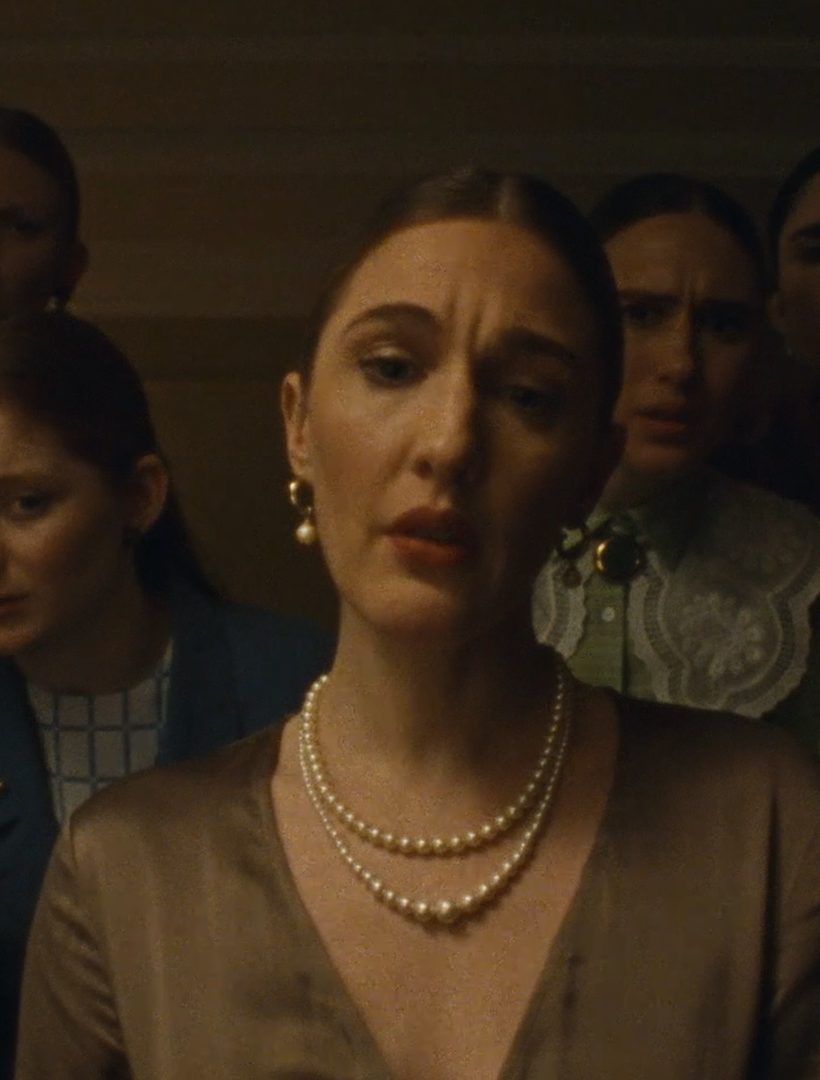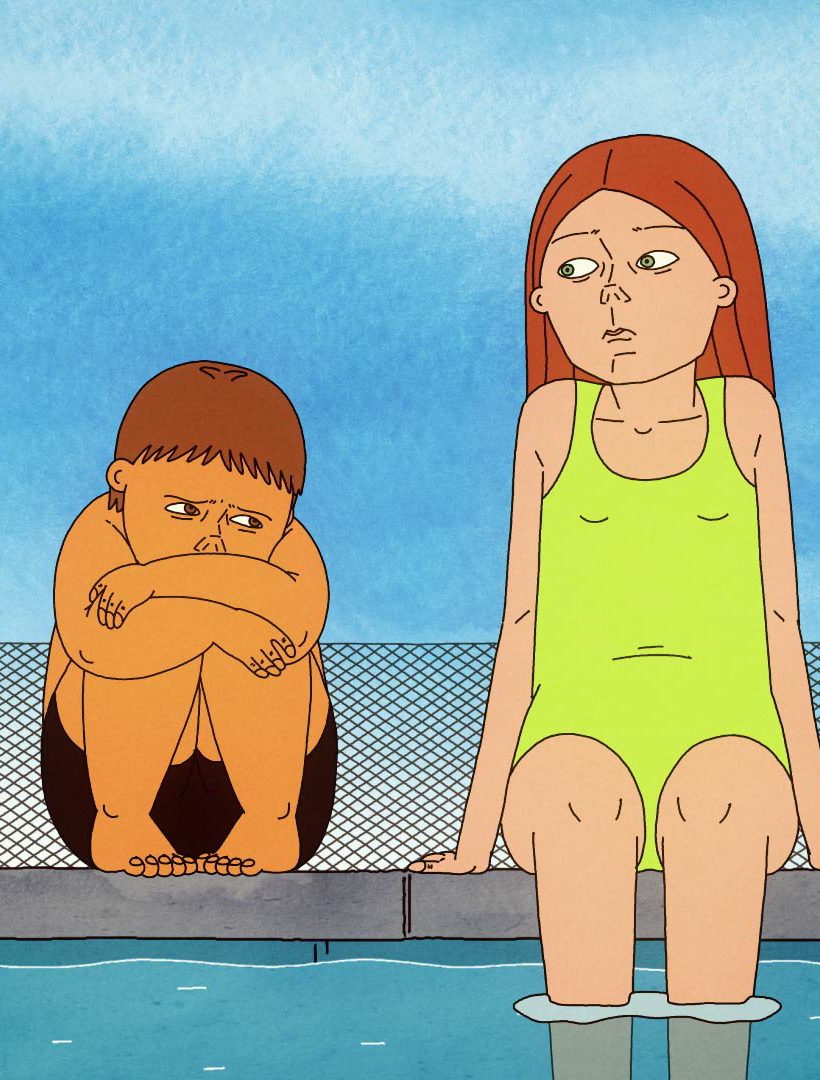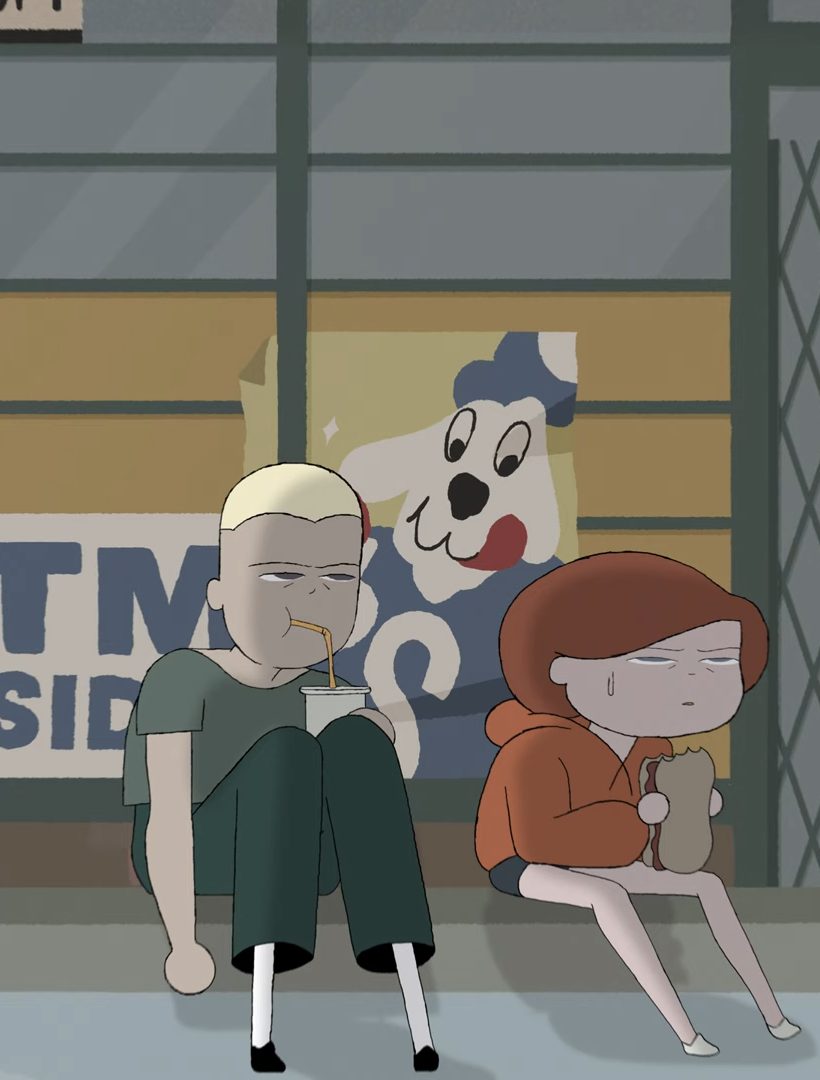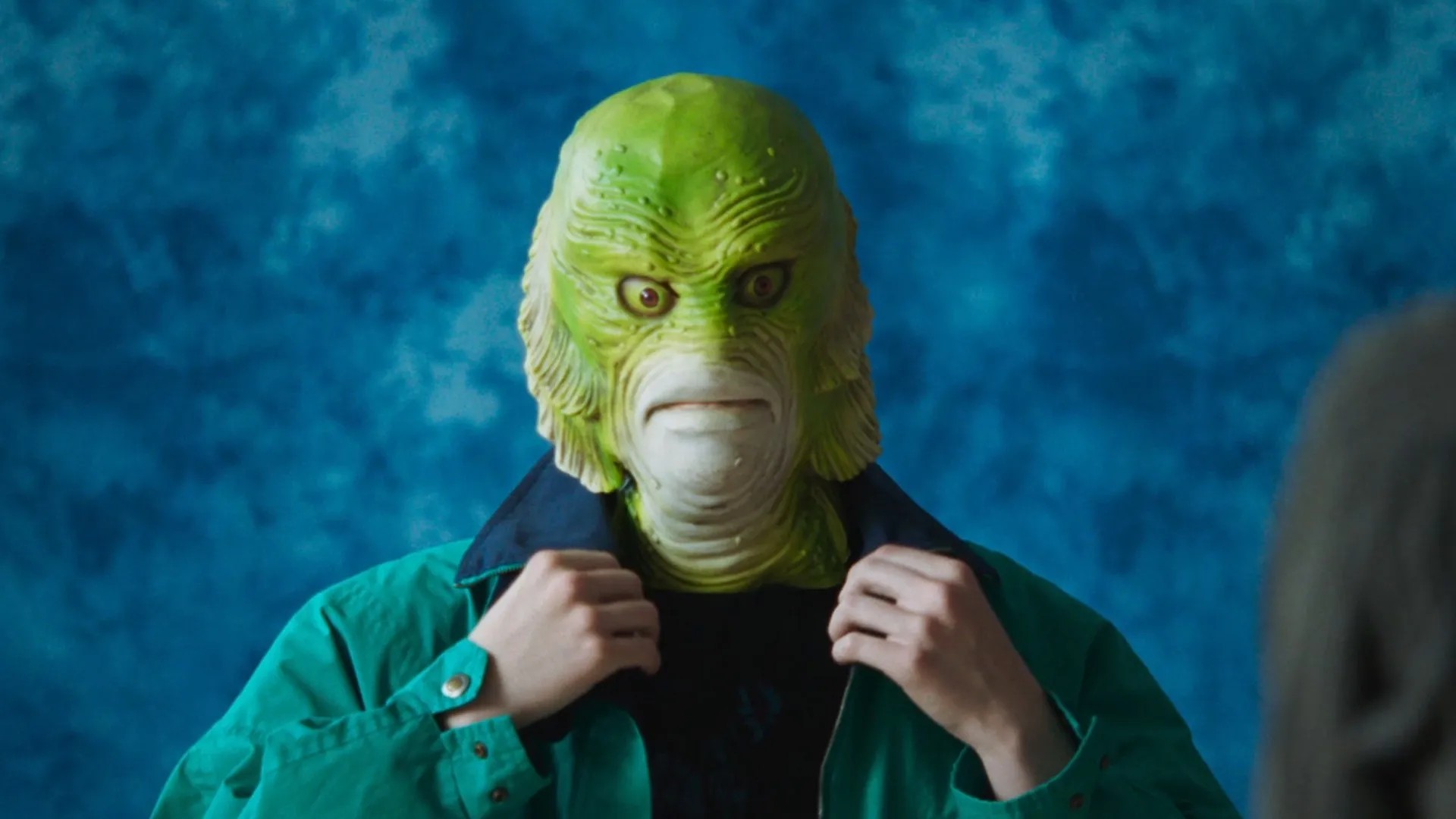

Hello Stranger unfolds with a kind of gentle gravity, the kind that pulls you in without ever raising its voice. Amélie Hardy follows Cooper, a young trans man navigating life after top surgery, and the result is a beautifully open-ended portrait of someone living inside the slow, uncertain work of becoming.
The film spends time where most stories rush: the in-between. Cooper moves through sunlit roads, quiet rooms, and conversations that drift as much as they reveal. There’s a tension in that stillness—an awareness that healing is not a single step forward but a looping, uneven path. Hardy captures those moments with a calm patience, letting them accumulate like small emotional imprints.
Cooper’s presence is what gives the film its pulse. He’s thoughtful, vulnerable, occasionally withdrawn, and always entirely himself. The documentary never treats him as a symbol or an emblem of transition. Instead, it settles into his rhythms—the hesitations, the wandering thoughts, the quiet humour that surfaces when he lets his guard down. It’s rare to see a film that allows someone to exist without shaping them into an argument or an arc.
Hardy’s filmmaking carries its own subtle confidence. The camera holds distance when needed and steps closer only when invited, creating a trust you can feel in every frame. There’s an emotional clarity in the way the film breathes: long takes, soft textures, and an atmosphere that feels suspended between memory and present time. Each choice reinforces the idea that self-discovery isn’t something you perform—it’s something you weather.
What stays with you most is the tenderness. The film doesn’t strive for resolution. It settles, instead, into the truth that identity is always in motion, never quite landing, always shifting. Cooper isn’t arriving anywhere—he’s simply moving forward, taking whatever shape feels right day by day. The beauty of Hello Stranger lies in witnessing that process without rushing it or defining it.
It’s a small film with a wide emotional reach, the kind that lingers long after the final moment fades.