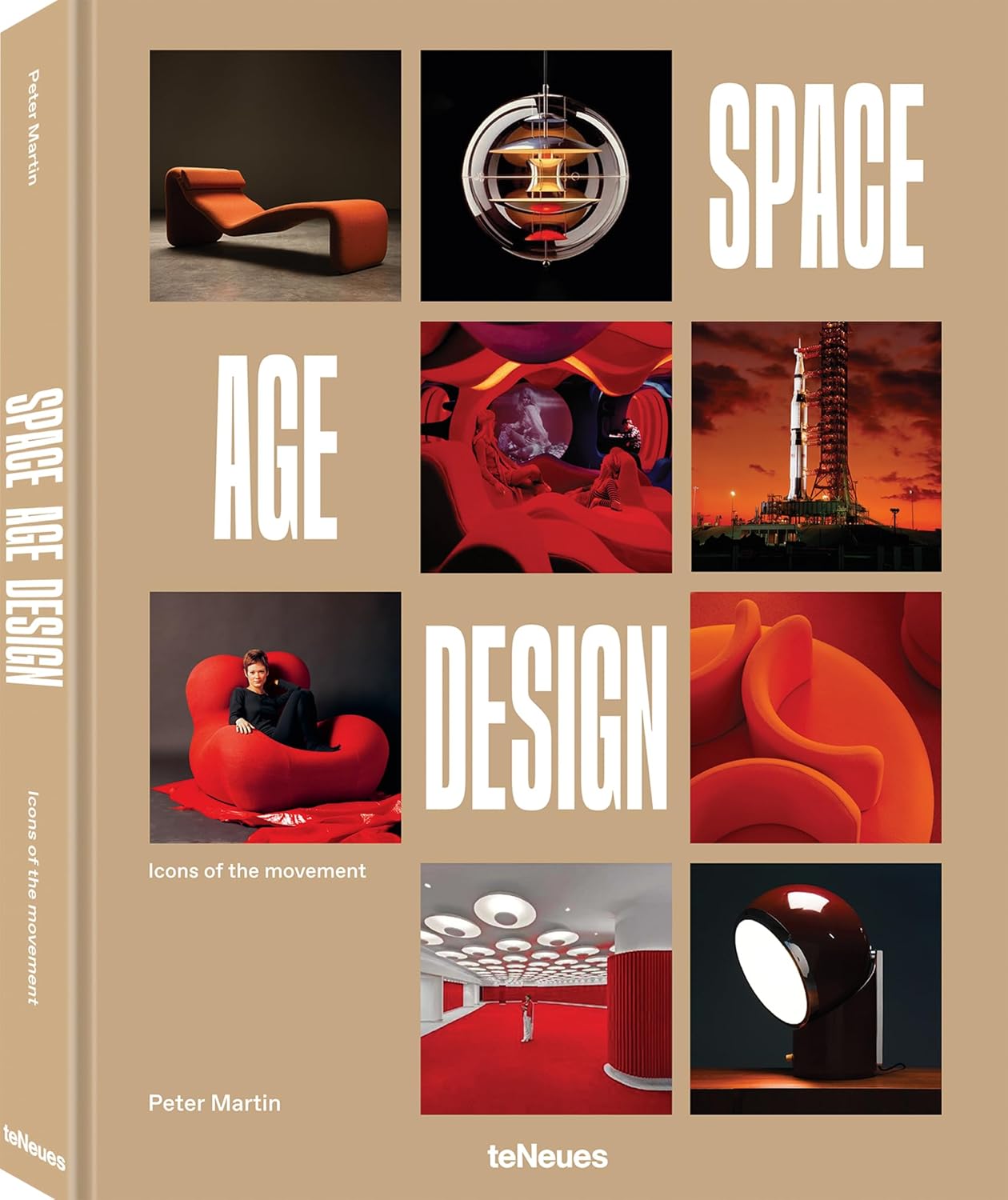

You don’t need to board a rocket to feel the thrill of the Space Age. Sometimes, it’s right there in the smooth curve of a fiberglass chair or the glossy shell of a 1960s radio that looks like it could double as a moon rover. In Space Age Design: Icons of the Space Age Design Movement, author Peter Martin invites us on a visual journey through the optimism, eccentricity, and future-forward imagination that defined an era where anything seemed possible.
The book is a feast of bubble domes, swooping silhouettes, and pop colors—all pulled from a time when the world was looking skyward and dreaming big. From Eero Aarnio’s Ball Chair to the sleek lines of the 1964 Ford Aurora, Martin maps a constellation of objects that fused technology, playfulness, and fantasy into everyday life. The aesthetic? Think Stanley Kubrick meets The Jetsons, with a dash of Barbie’s Dreamhouse.
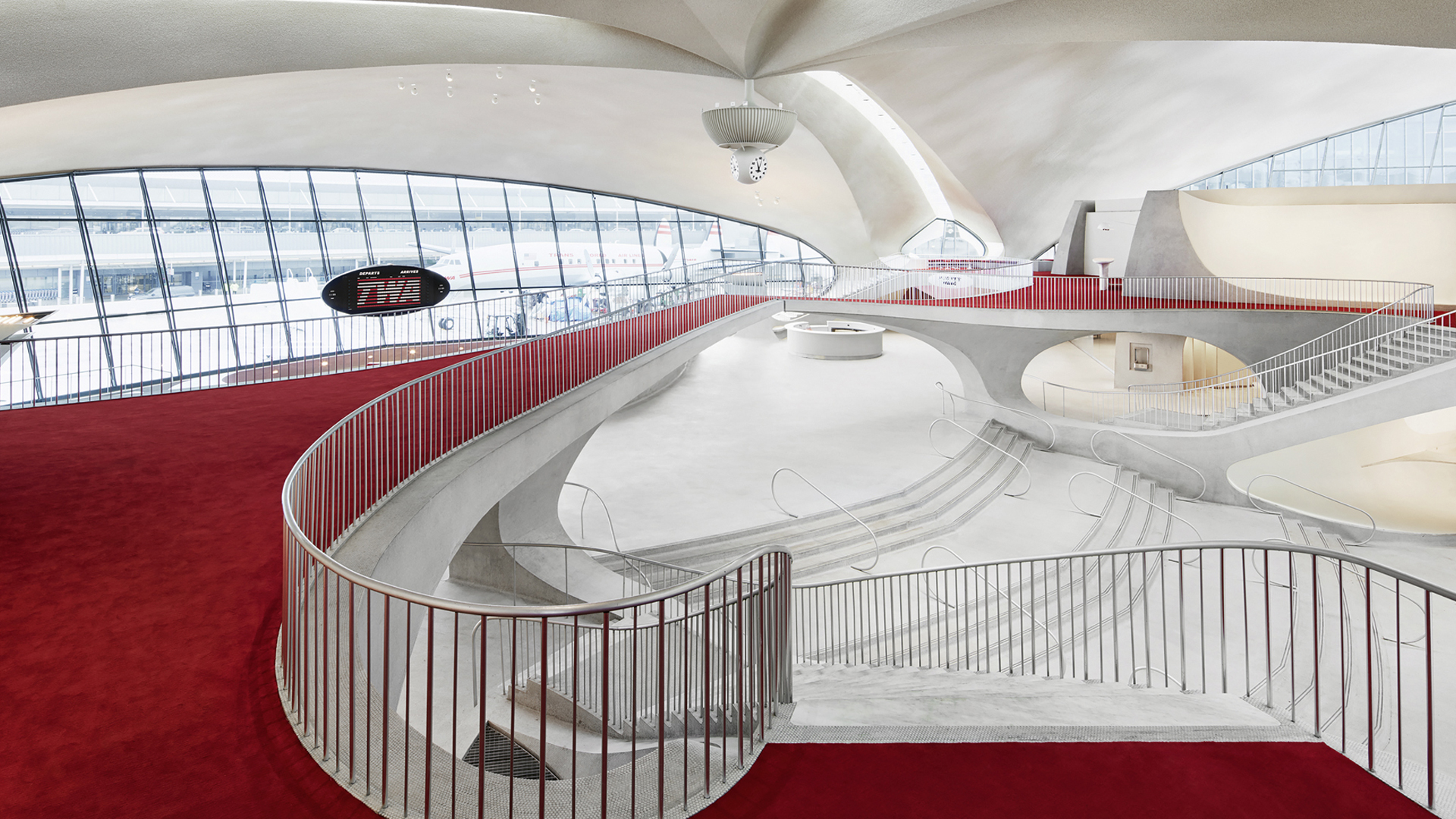
But Martin’s book is more than just eye candy. It captures the cultural electricity of the 1950s through 1970s, when design became a form of utopian thinking. As the Space Race lit up imaginations across the globe, everything from furniture and fashion to appliances and architecture got a cosmic upgrade. Homes had modular layouts. TVs came in circular casings. Even teapots were reimagined with curves that looked ready for zero gravity.