Jeff Wall and the Cinematic Frame
Zoë Marin

Every Jeff Wall photograph feels like stepping into a scene already in motion, yet frozen at its most telling moment.

A towering figure in contemporary photography, Wall is often credited with redefining the medium in the late 20th century. Born in Vancouver in 1946, he helped usher photography into the realm of fine art through meticulously composed, large-format images displayed in backlit lightboxes — a visual echo of cinema screens and advertising panels. But what makes his work endure isn’t just the scale or polish; it’s the tension he traps inside the frame.

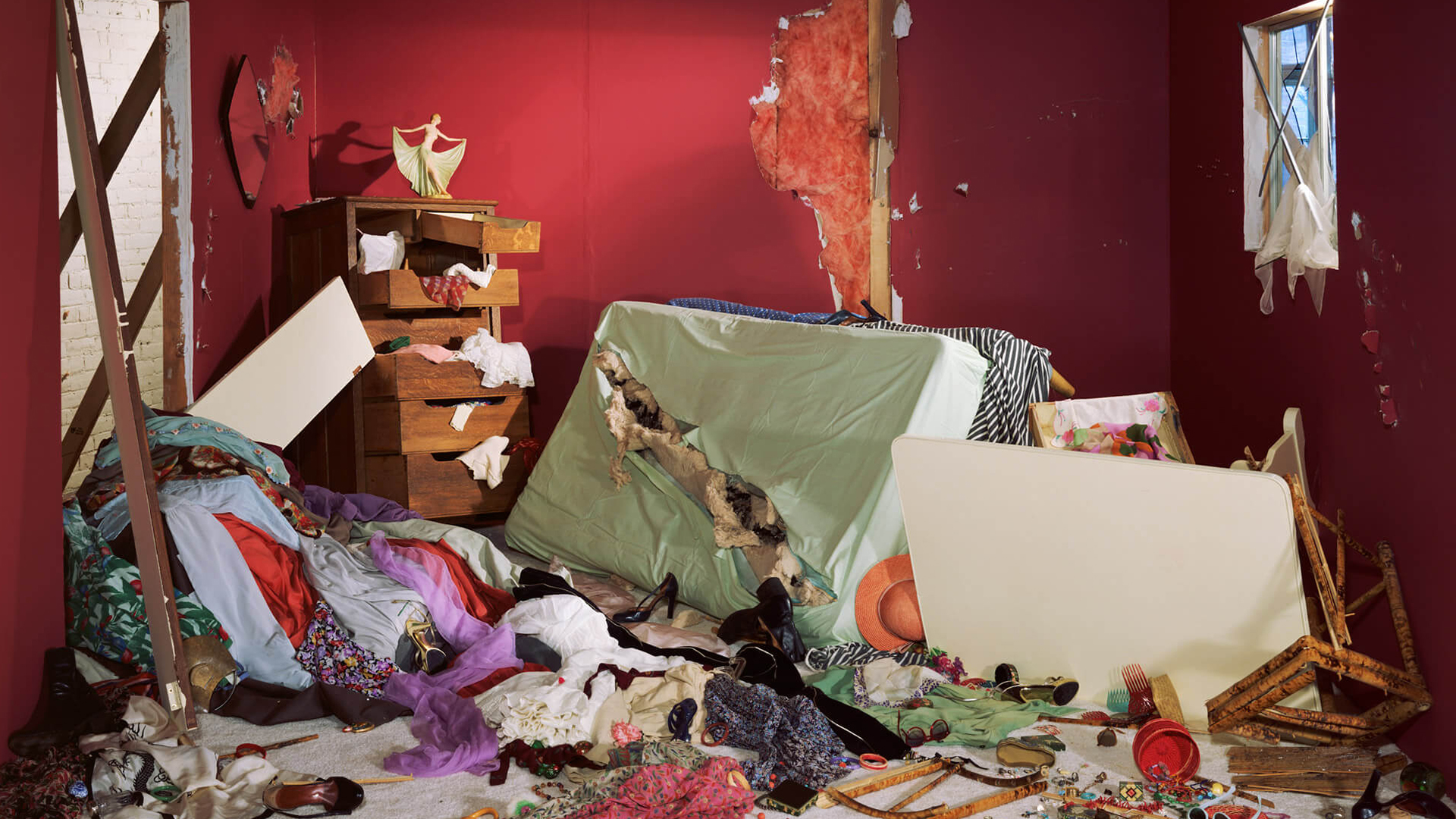
Wall’s photographs often resemble movie stills. They carry a narrative weight, yet they exist outside of time. The Destroyed Room (1978) feels like the aftermath of a film we never saw. A Sudden Gust of Wind (after Hokusai) (1993) channels the kinetic force of a cinematic moment, but it’s a tableau, frozen and deliberate. Each image is staged down to the finest detail, often involving actors, sets, and weeks of planning.
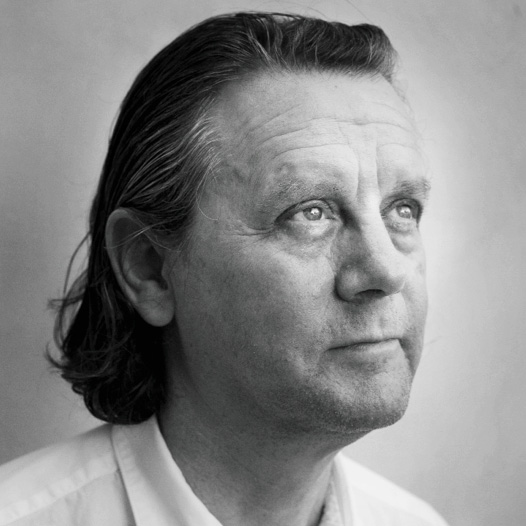
Jeff Wall by Gilda Aloisi.

In many ways, Wall’s practice blurs the boundaries between film and photography. He describes some of his works as “cinematographic,” suggesting not just a resemblance to cinema but a method of working that borrows its structure. This approach opens up a different kind of viewing — not just looking at a photograph, but reading it like a scene.

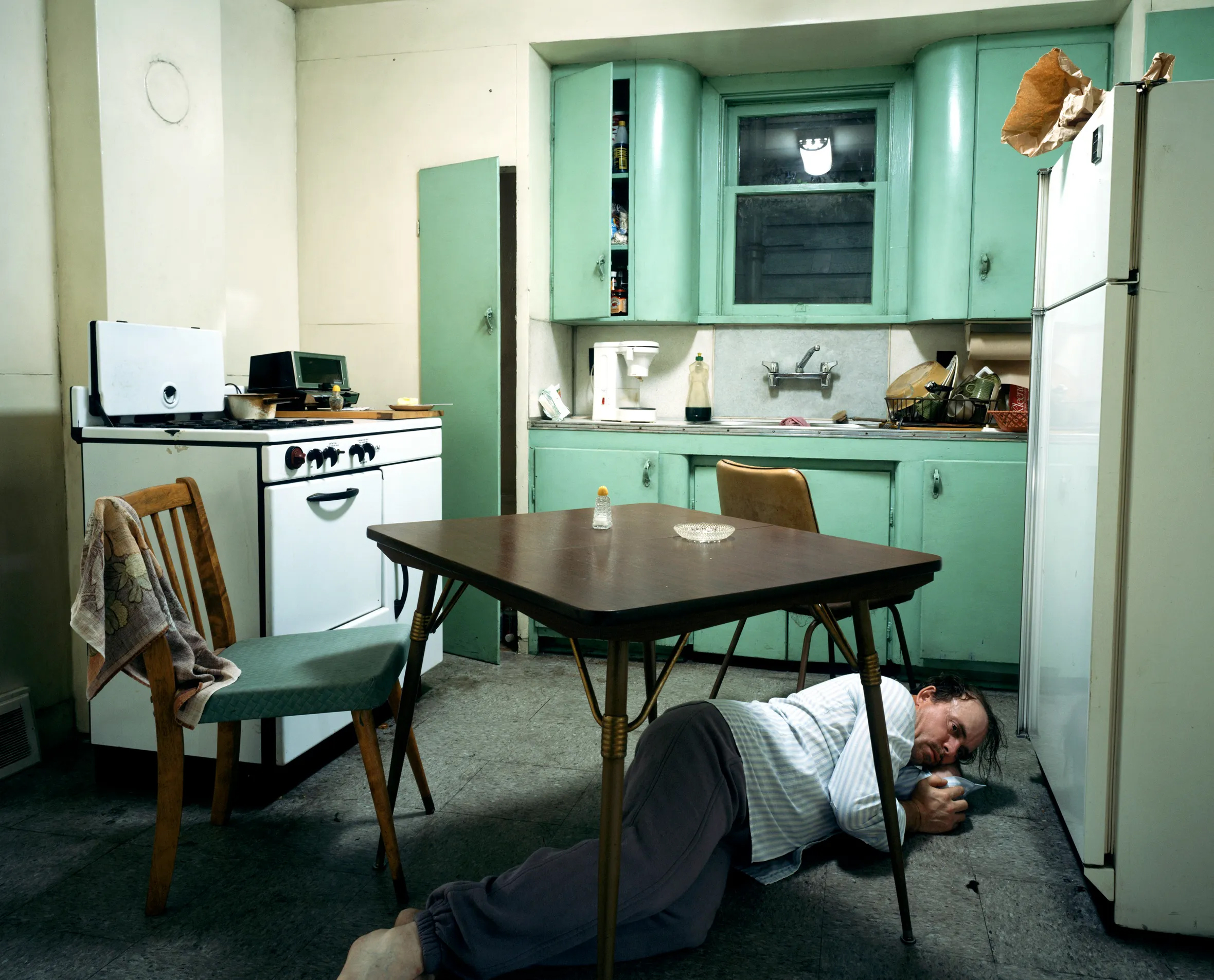
There’s also a quiet politics at play. Wall’s work frequently engages with themes of class, race, urban life, and the uncanny aspects of the everyday. His scenes can feel eerily mundane or disarmingly surreal. In Insomnia (1994), a man stands in a fluorescent-lit kitchen, surrounded by a stark emptiness that speaks louder than any caption. Wall doesn’t tell you what to feel, but he gives you the architecture to feel something.

His influence runs deep, particularly among artists who use photography not as a passive record but as a constructed narrative form. Without Wall, it’s hard to imagine the current landscape of photographic art — where storytelling, performance, and conceptual rigor now live comfortably inside the same frame.

Jeff Wall may not call himself a filmmaker, but his images unfold like short films paused in motion. They’re not stories with beginnings and ends, but moments charged with what came before and what might come next.

You can explore his work through major institutions like MoMA, Tate Modern, and the Vancouver Art Gallery — or simply dive into the rich cinematic world he constructs, one luminous image at a time.

Insomnia, by Jeff Wall. 1994.
Scroll