Refik Anadol’s work is nothing short of mind-bending. It’s like he’s taking the very fabric of the digital world and turning it into art, pulling data from the ether and weaving it into mesmerizing visual experiences. Anadol’s art isn’t just something you look at—it’s something you experience. It surrounds you, engulfs you, and invites you to see the world in a completely different way. His ability to blend art with artificial intelligence and data is a beautiful example of how technology can expand the possibilities of what we think of as creative expression.


What gets me so excited about Refik’s work is the way he sees data—not as something sterile and abstract—but as a living, breathing entity that can be shaped, sculpted, and transformed into something visually stunning. He’s been able to take the raw, unfeeling information that we often associate with algorithms and turn it into something deeply emotional, dynamic, and human. His work feels like a bridge between the logical world of machines and the intuitive, abstract world of art.
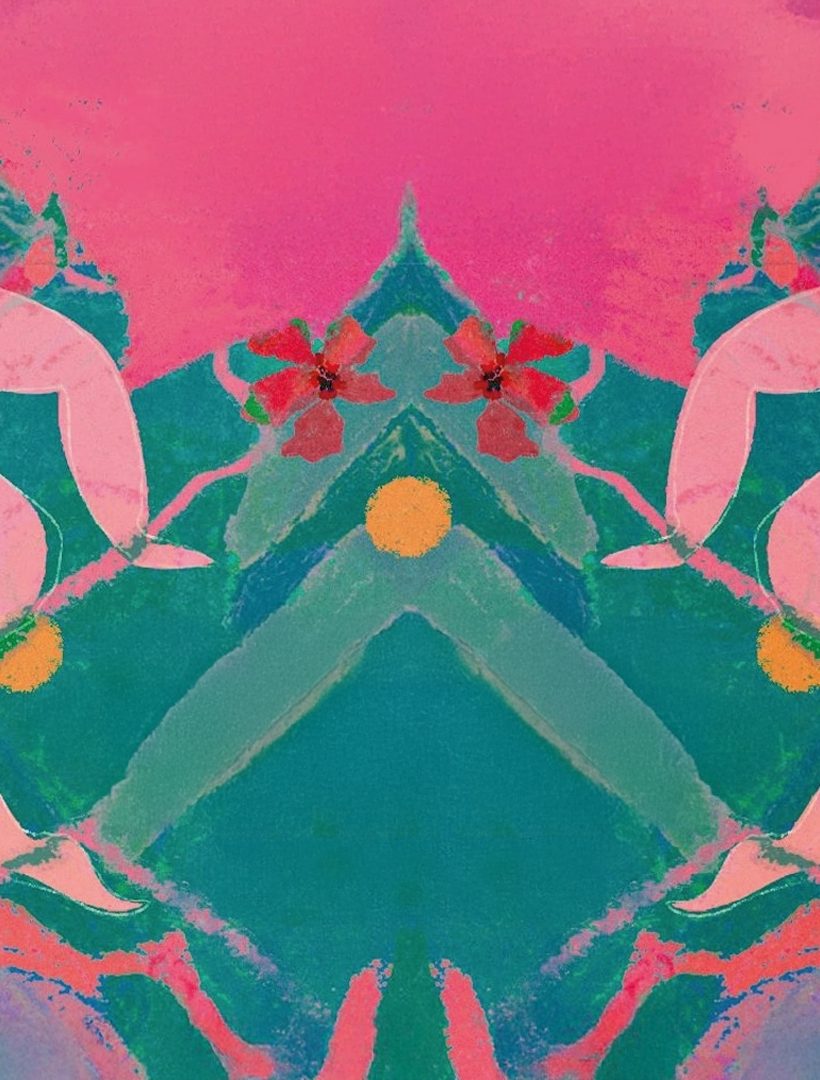
One of his standout works, Machine Hallucinations, is a perfect example of this. In this project, Anadol uses machine learning algorithms to analyze vast amounts of images and data, creating an immersive, dream-like experience that explores the collective consciousness of humanity. It’s like taking a glimpse into a machine’s interpretation of the world—what happens when data begins to hallucinate, or when it starts to “dream”? The result is an ethereal, constantly evolving landscape of color and form that makes you feel like you’re wandering through a digital dreamscape.
What’s incredible about Anadol’s process is how he uses AI not as a replacement for human creativity, but as a tool to enhance and expand it. It’s like he’s creating a new kind of canvas, one made of data streams and algorithms, where the brushstrokes are powered by machine learning. He’s not trying to make the machine the artist; he’s making it a collaborator. It’s a relationship that’s rooted in curiosity and experimentation—two things that I think every artist can relate to.
For me, what makes Anadol’s work stand out is how he’s able to evoke emotion through something that could easily feel cold and impersonal—data. He brings together science, technology, and art in a way that feels almost transcendent. You’re not just seeing something visual, you’re feeling something. His installations and projections aren’t just meant to be observed—they demand to be experienced, to be felt in the body, like a sonic wave of color and light. His ability to take something so abstract and turn it into an immersive, emotional journey is what makes his work so captivating.
There’s a real sense of wonder and experimentation in Anadol’s art, and it’s something I find incredibly inspiring. The creative possibilities are endless when you start playing with AI and data, but it’s not just about the tech—what’s exciting is how Anadol is able to infuse that technology with meaning and emotional resonance. It’s like he’s reminding us that, even in a world dominated by machines, the human experience is still at the heart of it all.
Refik Anadol’s work has opened up new frontiers for what digital art can do, and how AI can play a role in shaping it. It’s a beautiful blend of chaos and control, data and emotion, technology and humanity. And for me, it’s a perfect example of how the boundaries of art are constantly shifting, expanding, and evolving as we move forward into a new era of creative possibilities.

If you haven’t yet experienced Refik Anadol’s immersive installations or his breathtaking projections, do yourself a favor and dive into his world. His art isn’t just something to look at—it’s something to feel. And in this digital age, that’s exactly what we need more of.