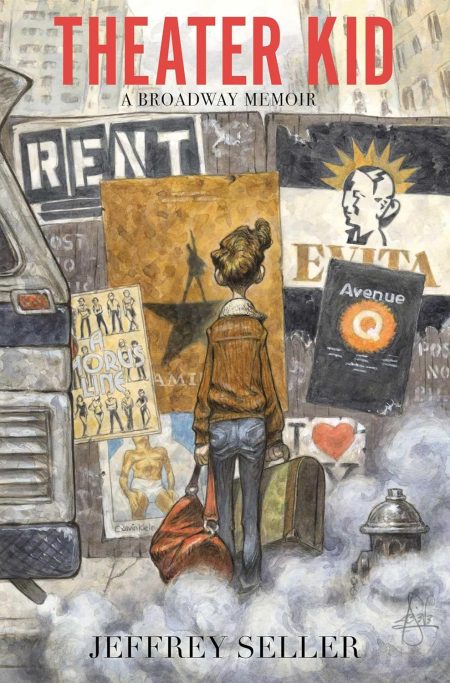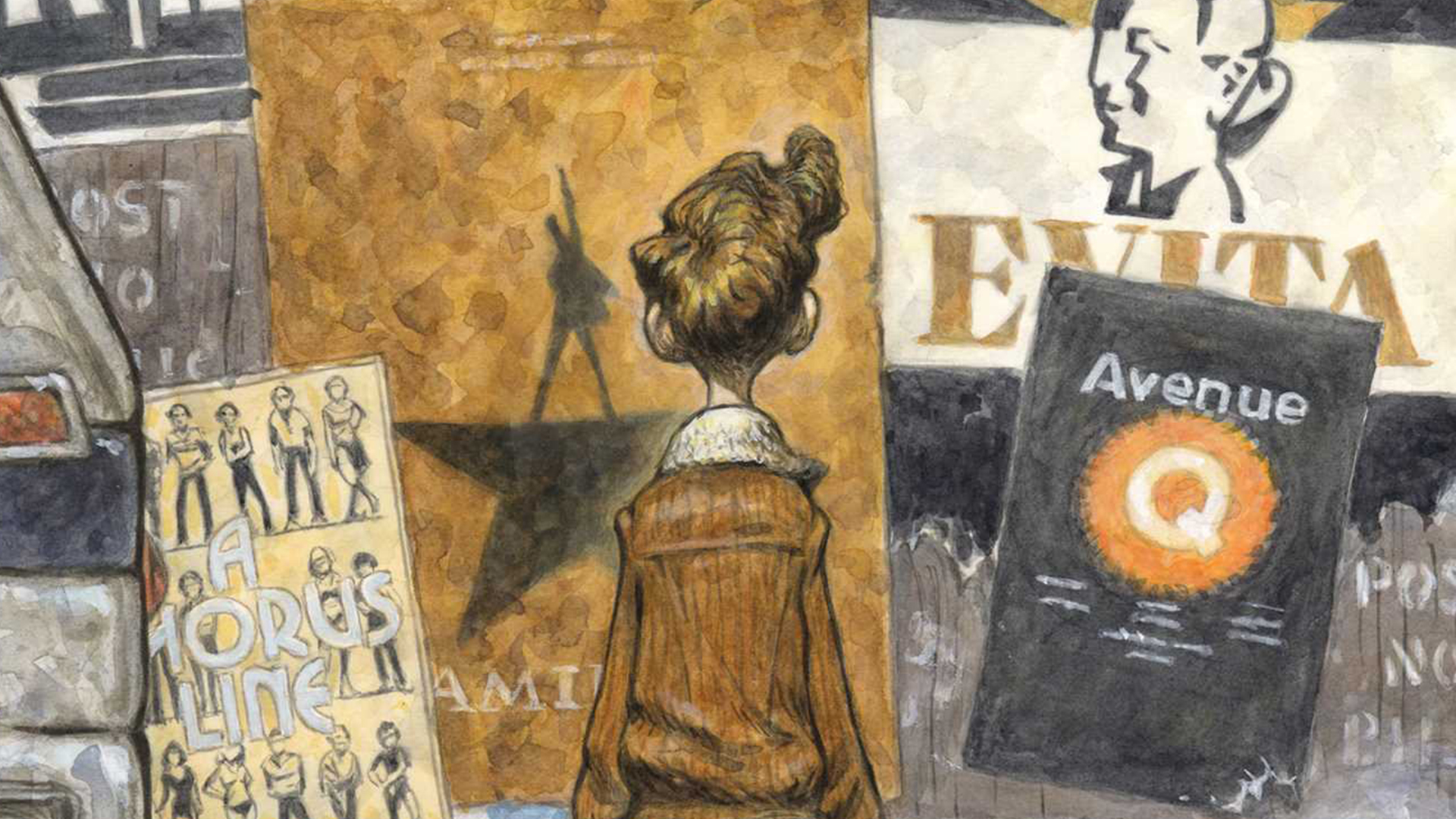

If Broadway’s shine sometimes masks the bruises underneath, then Theater Kid: A Broadway Memoir by Jeffrey Seller pulls back the curtain and invites us into the glue, the sweat, and the not-quite-spotlight moments that built something bigger than a show. In this candid memoir, Seller doesn’t just talk about hit musicals—he tells the story of a misfit, an outsider, becoming a pioneer.
Raised in Oak Park, Michigan (dubbed “Cardboard Village”), adopted, poor, Jewish, and gay in a world that didn’t hand out easy wins, Seller’s early life felt set for symbols of failure. Yet from a childhood Purim play to producing cultural landmarks like Rent and Hamilton, the trajectory he traces is messy, vulnerable, and utterly human.
The book is structured like a play in three acts: Act I sees him as kid-theater-director, writing and staging shows with friends; Act II lands him in New York during the AIDS crisis, learning the business and finding his voice; Act III propels him into Broadway’s upper-echelons, revealing the price paid for success, and the quiet work behind spectacle.
What stands out most is his insistence that the role of a producer isn’t simply applause-calling—it’s being curator, cheerleader, critic, and guide. Seller’s approach to musicals was driven by empathy. “Our job,” he writes, “is to say yes, to nurture the artist—not to tell the artist what to do.” His story of implementing the $20 rush ticket and lottery system for Rent shows how inclusion and access became part of the creative blueprint.