
The Darcys: Rendering Feelings and the Grit Beneath the Glow
Nate Kline
Written by Nate Kline in Sonic Journeys Music

The Darcys: Rendering Feelings and the Grit Beneath the Glow

You know that moment when a familiar album suddenly feels different—more real, more cracked-open-than-you-remember? That’s Rendering Feelings, the latest from Toronto’s own The Darcys, a record that doesn’t hide behind effects or fantasy worlds. Instead, it lays its guts bare with a bold honesty that’s both unsettling and magnetic.

It’s been four years since Fear & Loneliness, and man, has the world changed—especially for Jason Couse and Wes Marskell. Now based in LA, the duo spent a long stretch plotting this record, letting each single breathe—“1986,” “I’m Starting to Think I’m Bad at Parties,” “Running for the Hills” and more—rather than rushing a full rollout. There’s a deliberateness to Rendering Feelings that mirrors how life feels when you actually stop to feel it.
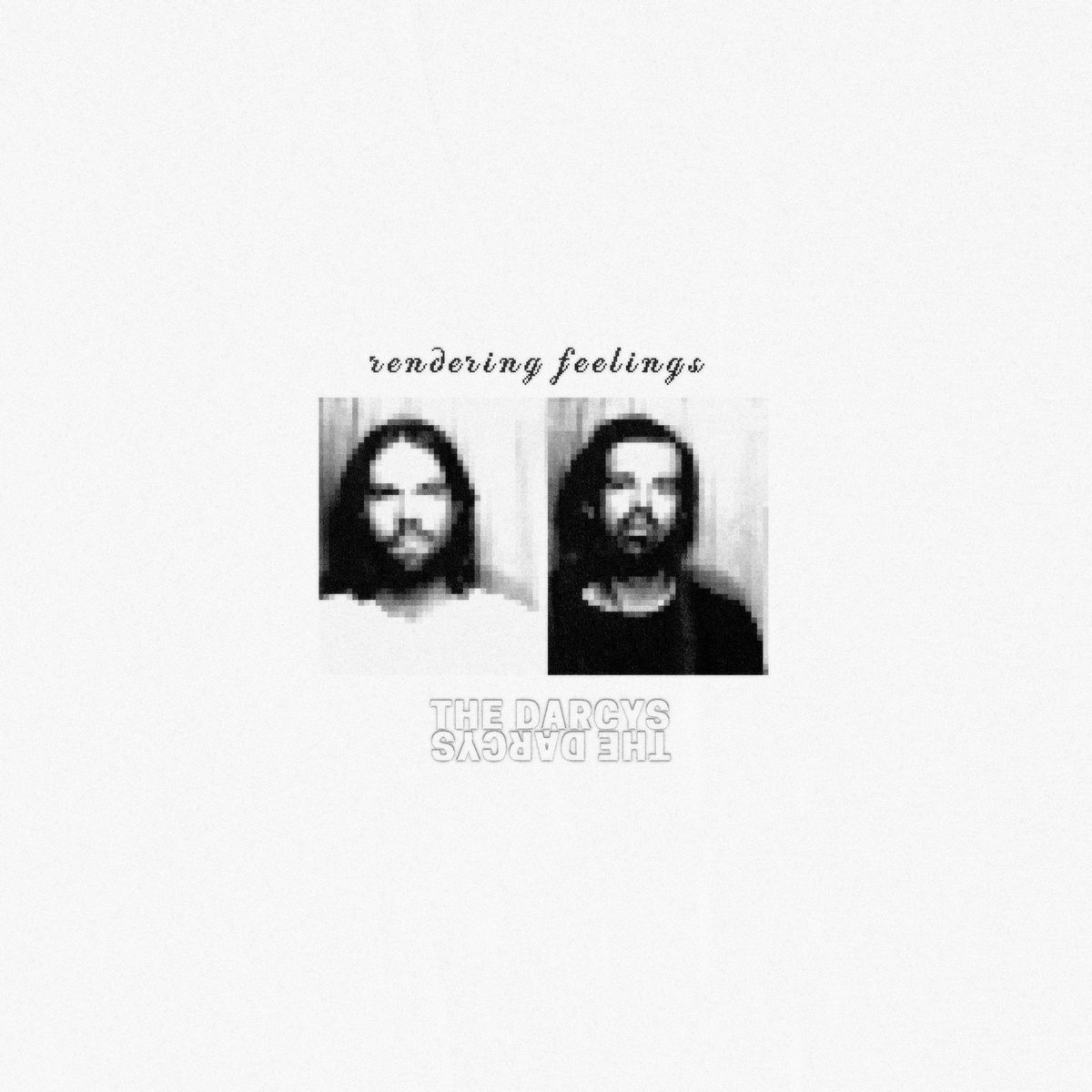

This isn’t world-building like on Centerfold or Fear & Loneliness. It’s a slow bleed inward—raw guitars, busted keyboards, drums that sound like they might shatter before the next beat. The album is about growth that isn’t neat; it’s about falling back into old patterns even when you know better, and it’s brave enough to admit that.

Standout track “1986” is almost electric in its urgency—a gritty reflection on cycles luring you back to the same old versions of yourself. Then there’s “Trouble Found Me,” which burrows deeper: defiant, battered, and bursting with a self-awareness that makes confessional music feel dangerous.

What truly sells this album is the intimacy underneath the fray. The Darcys aren’t pointing to the sky—they’re looking into the mirror. Lyrics about love, identity, technology, even UFO obsession—some cheeky lines (“let’s eat the rich”) inject grim humor into a modern malaise that’s hard to put into words.

There’s something generous here, too. In a rushed world of disposable singles and streaming algorithms, The Darcys choreographed a rollout that gave each song space to live and breathe. It makes Rendering Feelings not just an album—but a moment worth stepping into.

So yes—this record aches. But it also reminds you that admitting the ache, playing it loud, is still an act of defiance. Rendering Feelings doesn’t offer escape. It offers a mirror, and if you’re brave enough to face it, you might just feel less alone.

Scroll